
Cognitive Neuroscience
The Bachelor of Science in Cognitive Neuroscience provides students with an in-depth understanding of the brain, behavior, and cognitive processes. The program integrates psychology, biology, and neuroscience to explore perception, memory, learning, decision-making, and neural mechanisms underlying human behavior. Students develop research skills and analytical expertise, learning to design experiments, interpret data, and critically evaluate scientific literature. Coursework combines theoretical foundations with laboratory experiences, emphasizing the relationship between brain function and cognition, and preparing learners to apply knowledge in clinical, research, and applied settings.
Over four years, students engage in courses covering neuroanatomy, cognitive psychology, computational neuroscience, and research methodology. Laboratory work, data analysis, and independent projects provide practical experience in experimental design and neural assessment techniques. Students also explore ethical considerations, scientific communication, and interdisciplinary applications of cognitive neuroscience. By the final year, graduates demonstrate experimental competence and critical thinking, positioning them for careers in neuroscience research, healthcare, psychology, or advanced graduate studies in cognitive science and related disciplines.
Key Facts
Key Facts
- Program Title: Cognitive Neuroscience
- Degree Type: Bachelor of Science
- Duration: 4 years
- Mode of Study: Full-time, On Campus
- Application Deadline: 05 January 2026
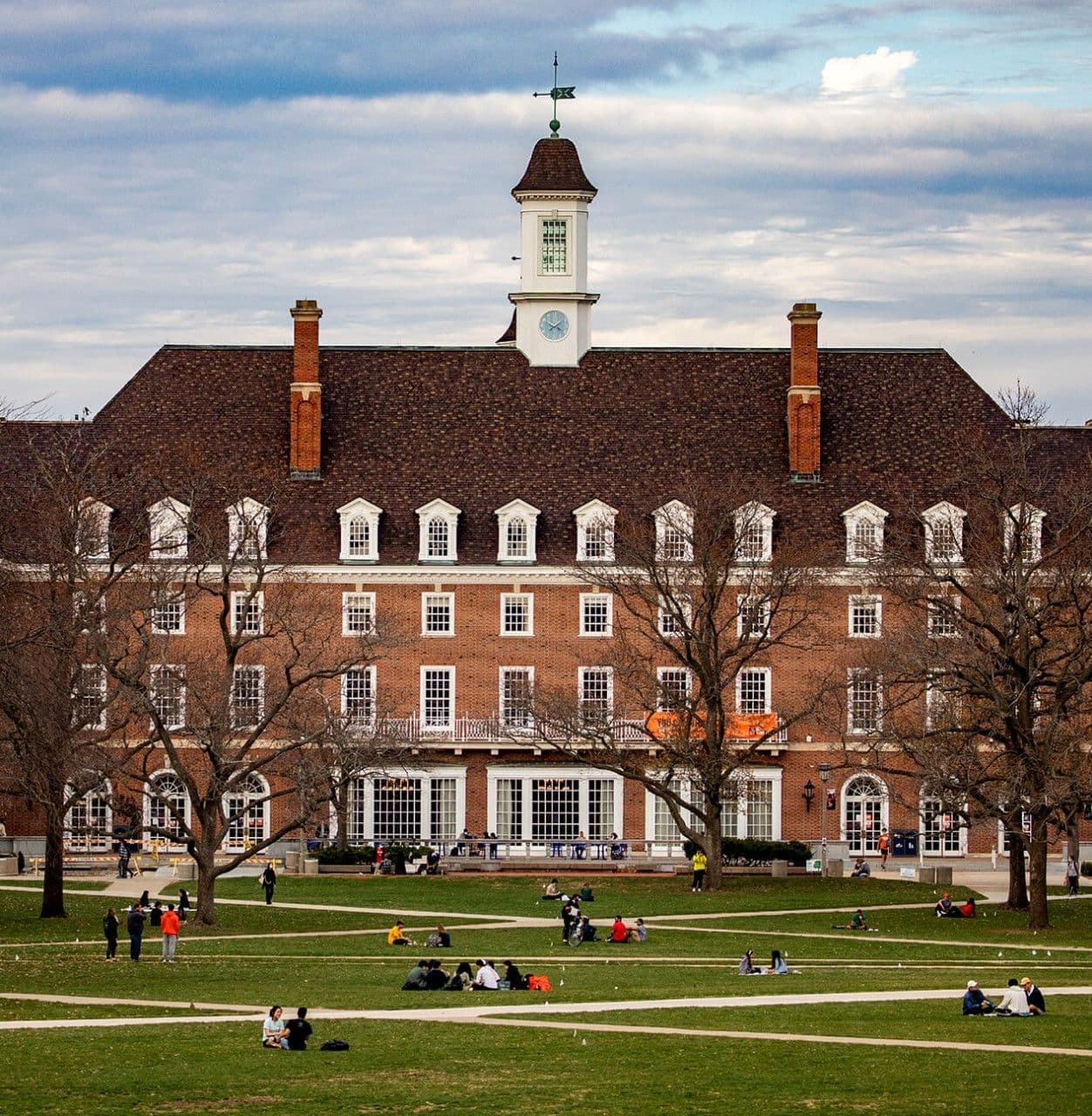
- Location: University of Illinois Urbana-Champaign, United States
- Field of Study: Neuroscience
- Language of Instruction: English
Program Structure
Year 1 - Foundations in Cognitive Neuroscience
• Introduction to Neuroscience
• Principles of Psychology
• Academic Writing and Research Methods
• Biology and Human Physiology
Year 2 - Core Cognitive and Neural Concepts
• Cognitive Psychology and Perception
• Neuroanatomy and Brain Function
• Research Methods in Neuroscience
• Statistics for Behavioral Sciences
Year 3 - Advanced Cognitive Neuroscience
• Learning, Memory, and Decision-Making
• Computational Neuroscience
• Laboratory Techniques and Data Analysis
• Elective Modules in Neuroscience or Psychology
Year 4 - Professional Practice and Capstone
• Independent Research Project
• Neuroimaging and Cognitive Assessment
• Seminar in Cognitive Neuroscience
• Applied Neuroscience in Clinical and Research Settings
Career Opportunities
Graduates of this program are prepared for careers in research, healthcare, cognitive assessment, and applied neuroscience. Career opportunities include positions in neuroscience research labs, clinical neuropsychology, cognitive rehabilitation, data analysis, and pharmaceutical research, where professionals study brain function, evaluate interventions, and contribute to scientific advancement. Graduates may also pursue roles in academic research, healthcare consulting, or continue with graduate studies in neuroscience, psychology, or cognitive science. The program equips learners with analytical skills, research proficiency, and critical thinking, enabling them to conduct experiments, interpret complex data, and apply neuroscience principles in diverse professional contexts.
Why Choose This Program
This program is ideal for students who are passionate about understanding the brain, cognition, and human behavior through scientific research. Learners develop research expertise, analytical thinking, experimental skills, and problem-solving abilities, enabling them to investigate cognitive processes and contribute to neuroscience advancements. The four year curriculum balances theoretical study with hands-on laboratory experience, independent research projects, and applied learning opportunities. By integrating scientific knowledge with practical skills, the program prepares graduates to pursue careers in research, healthcare, cognitive assessment, or advanced graduate studies in neuroscience, psychology, and related disciplines.
Contact Information
For further information, please contact the graduate admissions office at:
Phone: 217-333-0035
Email: grad@illinois.edu
Address: The Graduate College, 507 East Green Street, Suite 101, MC-434, Champaign, IL 61820, United States
