Communication and Education
The Master of Arts in Communication and Education is a two year full time on campus program designed for students seeking to develop advanced skills at the intersection of educational theory, communication strategies, and leadership. The curriculum integrates instructional design, media and technology in education, educational research, and communication practices to provide a comprehensive understanding of how communication can enhance teaching and learning. Through this program, students develop instructional design skills, educational research expertise, communication strategy competencies, and program development abilities, preparing them to create effective educational programs and foster meaningful learning experiences in diverse educational settings.
This program offers a practical and interactive learning environment where lectures, workshops, seminars, and applied projects allow students to engage with real world educational challenges. Students refine curriculum development techniques, assessment and evaluation methods, media integration skills, and collaborative instructional strategies through hands on projects and fieldwork experiences. Graduates are prepared to work in schools, educational technology companies, higher education institutions, nonprofit organizations, and governmental agencies, equipping them to lead educational initiatives, improve instructional quality, and design innovative communication based learning programs.
Key Facts
Key Facts
- Program Title: Communication and Education
- Degree Type: Master of Arts
- Duration: 2 years
- Mode of Study: Full-time, On Campus
- Application Deadline: 15 January 2026
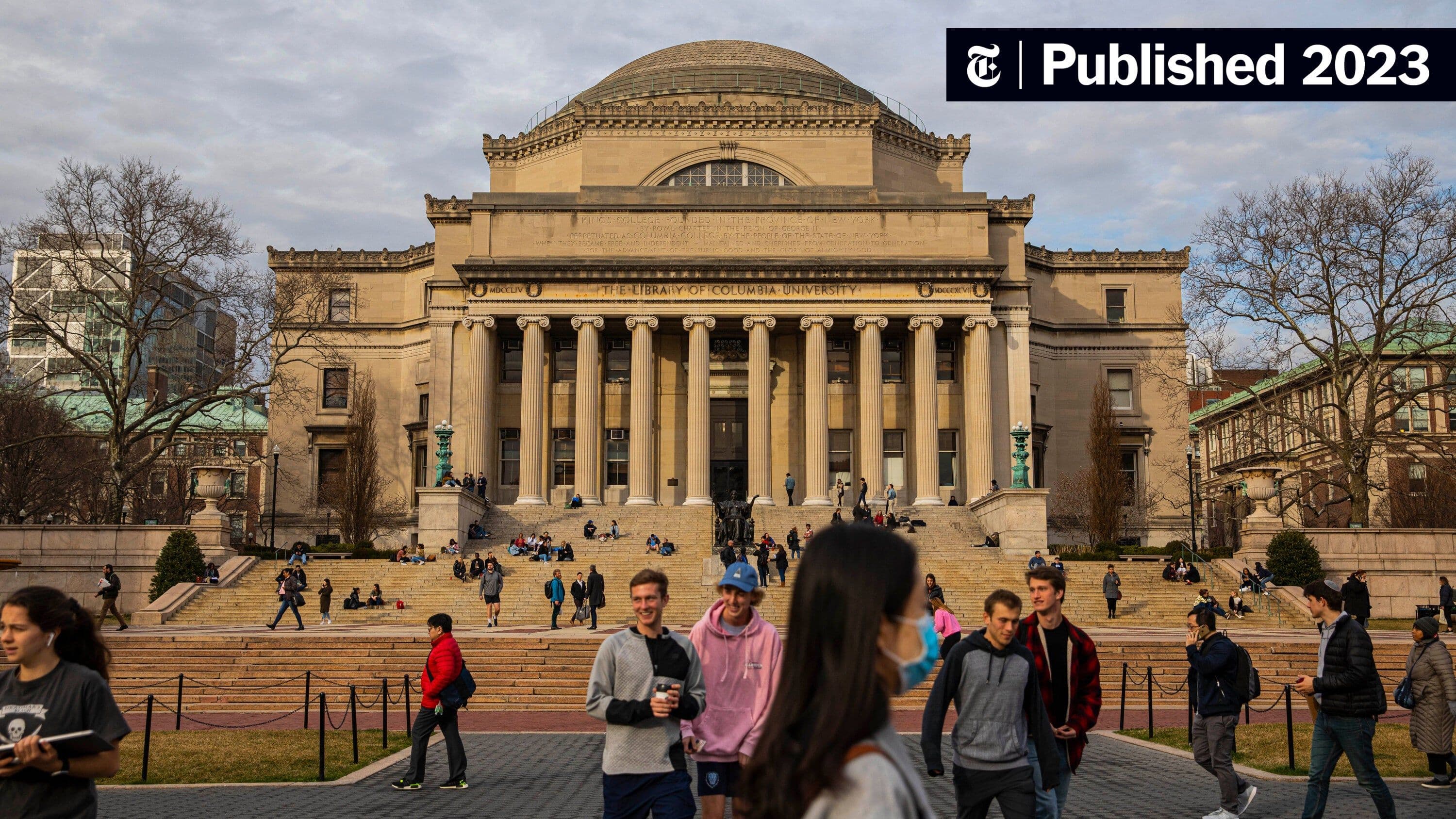
- Location: Columbia University, United States
- Field of Study: Education
- Language of Instruction: English
Program Structure
Semester 1 – Foundations of Communication and Education
• Introduction to Communication in Educational Settings
• Educational Theories and Learning Principles
• Instructional Design and Curriculum Development
• Research Methods in Education
Semester 2 – Applied Communication and Technology
• Media and Technology Integration in Education
• Assessment and Evaluation Strategies
• Seminar in Educational Communication
• Applied Project in Instructional Communication
Semester 3 – Advanced Instructional Practices
• Program Development and Implementation
• Leadership in Educational Contexts
• Applied Research Project
• Elective Modules in Communication or Education
Semester 4 – Master’s Thesis and Capstone Project
• Independent Research / Thesis
• Data Analysis and Program Evaluation
• Presentation & Professional Portfolio Development
Career Opportunities
Graduates of this program are prepared for careers in educational program development, instructional design, educational communication, and leadership in teaching environments. Career paths include instructional coordinator, educational consultant, learning technology specialist, curriculum developer, and program manager in educational organizations. Graduates are equipped to design and implement evidence based educational programs, integrate media and technology into learning, and improve teaching and learning outcomes. The program also prepares learners for leadership roles in schools, higher education, nonprofit organizations, and governmental institutions, enabling them to influence educational strategy and drive instructional innovation.
Why Choose This Program
Students choose this program because it combines educational theory, communication strategies, technology integration, and applied research projects within a two year intensive framework. The curriculum emphasizes both conceptual understanding and practical application, allowing learners to acquire the expertise and confidence necessary to lead educational programs, enhance teaching effectiveness, and develop innovative learning solutions. Graduates gain the knowledge, analytical skills, and hands on experience to pursue impactful careers in education, instructional design, and communication driven learning initiatives.
Contact Information
For further information, please contact the admissions office at:
Phone: +1 212 854 1754
Email: admissions@columbia.edu
Address: University of Columbia, Admissions Office, New York, NY, United States
