Community Health Education
The Master of Science in Community Health Education is a comprehensive program designed for students who want to promote public health, wellness, and disease prevention within diverse communities. The curriculum emphasizes health promotion strategies, program planning, research methods, and policy development to address community health challenges. Through this program, students develop health education, community engagement, program evaluation, and research methodology skills, preparing them to design and implement evidence based interventions that improve health outcomes and quality of life for populations at local, national, and global levels.
This two year, full time and on campus program immerses students in a rigorous academic and applied learning environment where they collaborate with faculty experts, community organizations, and public health practitioners. Coursework, fieldwork, and applied projects provide opportunities to explore health disparities, develop targeted interventions, and evaluate program effectiveness. Students strengthen behavioral assessment, health communication, data driven program design, and policy advocacy, equipping them to lead community health initiatives, manage public health programs, and provide education and support that fosters long term health improvements in diverse populations.
Key Facts
Key Facts
- Program Title: Community Health Education
- Degree Type: Master of Science
- Duration: 2 years
- Mode of Study: Full-time, On Campus
- Application Deadline: 01 July 2026
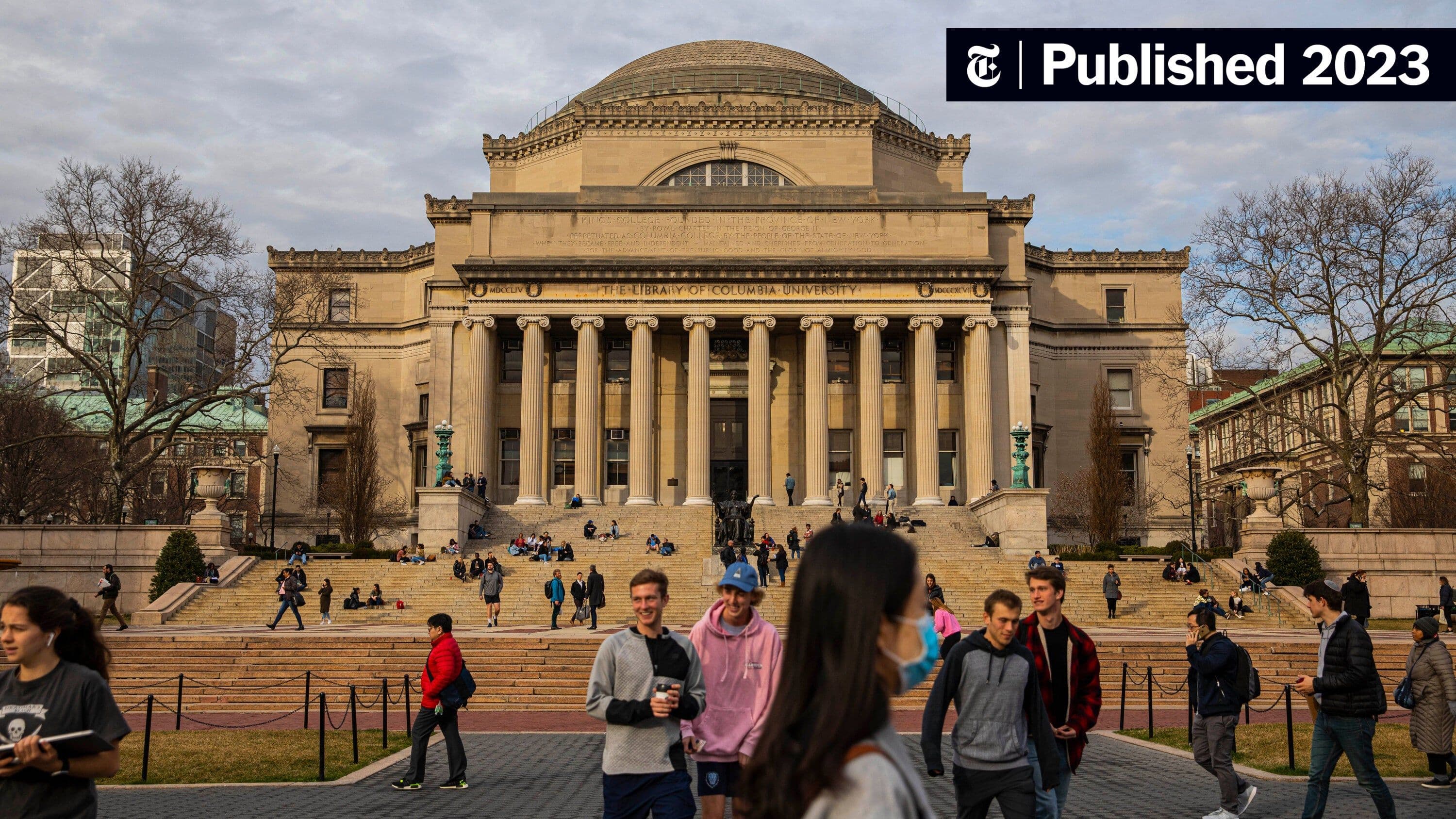
- Location: Columbia University, United States
- Field of Study: Community Development
- Language of Instruction: English
Program Structure
Semester 1 – Foundations of Community Health Education
• Principles of Public and Community Health
• Health Behavior Theory and Practice
• Research Methods in Community Health
• Program Planning and Needs Assessment
Semester 2 – Applied Community Health Strategies
• Health Communication and Promotion
• Community Engagement and Partnership Development
• Program Implementation and Evaluation
• Applied Project in Community Health Education
Semester 3 – Advanced Public Health Interventions
• Disease Prevention and Health Policy
• Epidemiology and Data Analysis
• Leadership in Community Health Programs
• Research Project in Community Health Education
Semester 4 – Capstone and Professional Application
• Program Design and Outcome Measurement
• Policy Advocacy and Health Education Leadership
• Applied Capstone Project
• Professional Portfolio and Career Preparation
Career Opportunities
Graduates of this program are prepared for professional roles in public health departments, nonprofit organizations, community health centers, governmental agencies, and international health initiatives. Career paths include community health educator, public health program coordinator, health promotion specialist, policy analyst, and researcher in community health. Graduates are equipped to design and implement evidence based interventions, assess community health needs, lead public education campaigns, and influence policy to improve population health. The program also prepares learners for leadership and research roles that advance public health education and promote health equity across diverse communities.
Why Choose This Program
Students choose this program because it offers a combination of applied community health expertise, program planning and evaluation, policy and advocacy skills, and research driven learning within a structured two year framework. The curriculum emphasizes hands on experience through fieldwork, applied projects, and collaboration with health professionals, allowing learners to develop practical skills for designing and leading impactful community health programs. Graduates gain the knowledge, confidence, and professional competencies necessary to drive public health initiatives, educate communities, and contribute meaningfully to improving health outcomes and quality of life across diverse populations.
Contact Information
For further information, please contact the admissions office at:
Phone: +1 212 854 1754
Email: admissions@columbia.edu
Address: University of Columbia, Admissions Office, New York, NY, United States
