Comparative Literary Studies
Northwestern University’s Comparative Literary Studies program offers an interdisciplinary and multilingual exploration of literature across cultures, historical periods, and theoretical frameworks. This four-year Bachelor of Arts degree challenges students to think beyond national or linguistic boundaries by engaging with texts in translation as well as original languages. The program encourages a critical approach to literature, asking how stories, symbols, and styles travel and transform across borders. Students examine not only the aesthetic qualities of literature, but also the political, social, and philosophical questions it raises. By comparing literary traditions, they gain a deeper understanding of global interconnectedness and the human condition.
Throughout the program, students are introduced to a wide range of genres and forms—from ancient epics to contemporary fiction, from experimental poetry to film and media. They learn to apply diverse theoretical perspectives, such as postcolonialism, feminism, structuralism, and deconstruction, to the study of narrative and language. Close collaboration with faculty fosters critical thinking, advanced writing, and interpretive skills. Students are also encouraged to develop individualized areas of focus, often combining literary study with interests in philosophy, history, visual culture, or political theory. This flexibility makes the program both intellectually rich and personally meaningful.
Key Facts
Key Facts
- Program Title: Comparative Literary Studies
- Degree Type: Bachelor of Arts
- Duration: 4 years
- Mode of Study: Full-time, On Campus
- Application Deadline: 02 January 2026
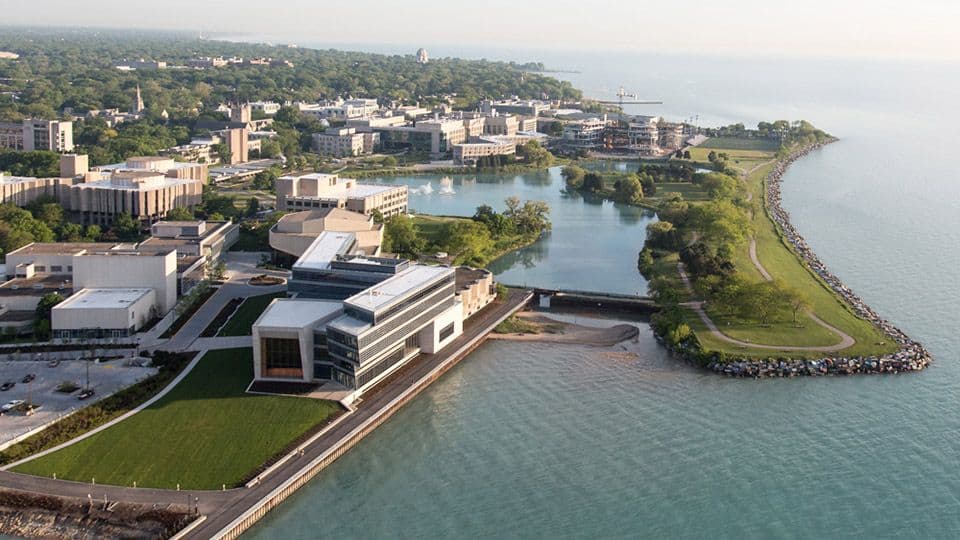
- Location: Northwestern University, United States
- Field of Study: Literature
- Language of Instruction: English
Program Structure
Year 1 – Introduction to Literary Comparison
• Introduction to Comparative Literature
• Reading World Literature in Translation
• Academic Writing and Interpretation
• Elective: Introduction to Critical Theory
Year 2 – Language, Genre, and Context
• Studies in Poetry and Narrative
• Literary Traditions of Europe, Asia, or Latin America
• Thematic Seminar: Identity, Conflict, and Memory
• Intermediate Language Study (French, Spanish, German, etc.)
Year 3 – Theory and Global Perspectives
• Literary and Cultural Theory
• Comparative Modernisms or Postcolonial Literatures
• Elective: Literature and Philosophy or Literature and Politics
• Study Abroad or Research Methods in Literary Studies
Year 4 – Capstone and Specialization
• Senior Seminar in Comparative Literature
• Independent Research or Honors Thesis
• Seminar: Translation, Media, and Cultural Transfer
• Advanced Literary Criticism
Career Opportunities
Graduates of this program are equipped with strong analytical, linguistic, and research skills that prepare them for diverse career paths. Many pursue roles in publishing, education, journalism, editing, or arts and culture institutions, where their ability to interpret complex texts and communicate effectively is highly valued. Others work in international organizations, nonprofits, government agencies, or marketing and communications, contributing global insight and critical perspective. The program also provides excellent preparation for graduate study in literature, cultural studies, law, media studies, or translation. Employers across sectors recognize the value of humanities graduates who can think critically, write clearly, and engage with complexity.
Why Choose This Program
This program is ideal for students who are passionate about literature but also curious about how it connects to broader questions of culture, language, and power. At Northwestern, students benefit from a curriculum that supports cross-cultural inquiry, theoretical depth, and creative interpretation. They have access to faculty with diverse research interests, a wide selection of language offerings, and the opportunity to study abroad or work on original research. The program encourages intellectual independence while providing a solid academic foundation. For students who want to explore literature as both art and lens for understanding the world, this degree offers the depth and flexibility to do so meaningfully.
Contact Information
For further information, please contact the admissions office at:
Phone: +1 312 555 2040
Email: admissions@northwestern.edu
Address: University of Northwestern, 633 Clark Street, Evanston, IL 60208, United States
