Comparative Literature and Translation Studies
The Comparative Literature and Translation Studies program offers students an in-depth exploration of world literatures, languages, and translation theory, emphasizing critical thinking, analytical skills, and intercultural communication. Students examine literary works from diverse cultures, develop translation competence, and study the theory and practice of conveying meaning across languages. Courses cover comparative literature, translation methods, linguistics, literary theory, and cultural studies, combined with practical projects, research, and writing assignments. Students acquire strong skills in textual analysis, interpretation, and effective communication, preparing them to navigate the complexities of global literary and cultural contexts.
Throughout the program, students cultivate research, analytical, and cross-cultural skills, essential for careers in translation, publishing, education, and international communication. Exposure to interdisciplinary perspectives, including linguistics, literary theory, and cultural studies, ensures graduates are equipped to tackle challenges in creative, professional, and academic environments. By fostering independent inquiry, applied research, and critical reflection, the program prepares students to contribute meaningfully to literary scholarship, translation projects, and professional initiatives in multicultural and multilingual contexts.
Key Facts
Key Facts
- Program Title: Comparative Literature and Translation Studies
- Degree Type: S. Bachelor
- Duration: 4 years
- Mode of Study: Full-time, On Campus
- Application Deadline: 01 January 2026
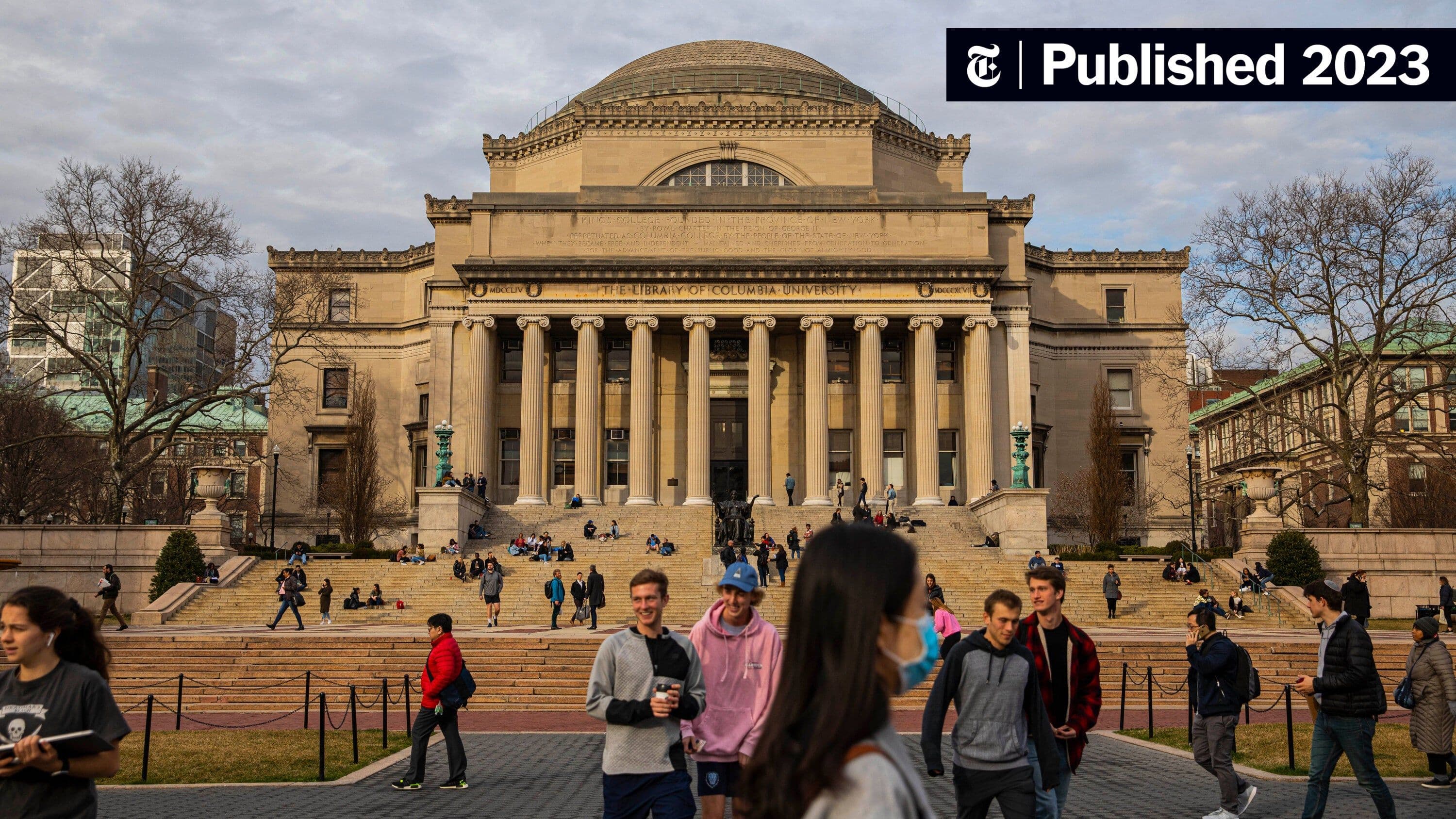
- Location: Columbia University, United States
- Field of Study: Literature
- Language of Instruction: English
Program Structure
Year 1 – Foundations in Comparative Literature and Translation
• Introduction to Comparative Literature
• Fundamentals of Translation Studies
• World Literature Survey
• Academic Writing and Research Skills
Year 2 – Intermediate Literary and Translation Studies
• Literary Analysis and Criticism
• Intermediate Translation Practice
• Linguistics and Stylistics
• Elective Modules in Regional Literature, Media Studies, or Cultural Theory
Year 3 – Advanced Literary Studies and Applied Translation
• Advanced Translation Projects
• Comparative Literary Theory
• Research Project or Internship
• Seminar in Cultural and Literary Analysis
Year 4 – Independent Research and Capstone Project
• Independent Research Project or Thesis
• Advanced Topics in Comparative Literature and Translation
• Applied Translation Workshop
• Capstone Project Presentation
Career Opportunities
Graduates of this program are prepared for careers in translation, publishing, education, international communication, and literary research. They can work in publishing houses, cultural organizations, media companies, translation agencies, educational institutions, and international organizations requiring linguistic and analytical expertise. The program equips students with strong writing, analytical, and cross-cultural skills, enabling them to pursue roles in literary translation, interpretation, editing, teaching, content development, cultural consulting, and research. Alumni may also continue their education in graduate programs in literature, translation studies, linguistics, or education, providing versatile and highly competitive career pathways.
Why Choose This Program
This program combines literary analysis, translation skills, and cultural understanding, giving students a comprehensive perspective on global literature and cross-cultural communication. Small classes and faculty mentorship provide personalized guidance, fostering independent research, analytical thinking, and professional competence. The curriculum emphasizes interdisciplinary learning, applied translation practice, and research, preparing graduates to address challenges in education, publishing, media, and literary scholarship. By engaging with translation projects, literary analysis, and advanced coursework, students gain the knowledge, skills, and experience necessary for impactful careers in translation, education, publishing, research, and further graduate study.
Contact Information
For further information, please contact the admissions office at:
Phone: +1 212 854 1754
Email: admissions@columbia.edu
Address: University of Columbia, Admissions Office, New York, NY, United States
