.png&w=640&q=75)
Comparative Literature
The Comparative Literature program offers an intensive exploration of global literary traditions, genres, and cultural narratives. Over one year, students examine literature across languages, periods, and regions, developing skills in critical analysis, textual interpretation, and comparative methodologies. The curriculum emphasizes theoretical frameworks, research techniques, and applied literary studies, allowing learners to explore the interconnections between literature, culture, and society. Through seminars, workshops, and research projects, students gain the ability to engage with texts critically and produce scholarly, well-researched literary analyses.
Students also engage in translation exercises, literary critique, and interdisciplinary projects, fostering both academic and professional competencies. Mentorship from faculty experts provides guidance on research, publication, and academic development. By the end of the program, graduates leave with strong analytical, interpretive, and research skills, prepared to contribute effectively to literary scholarship, education, and cultural analysis.
Key Facts
Key Facts
- Program Title: Comparative Literature
- Degree Type: Master of Arts
- Duration: 1 year
- Mode of Study: Full-time, On Campus
- Application Deadline: 06 December 2025
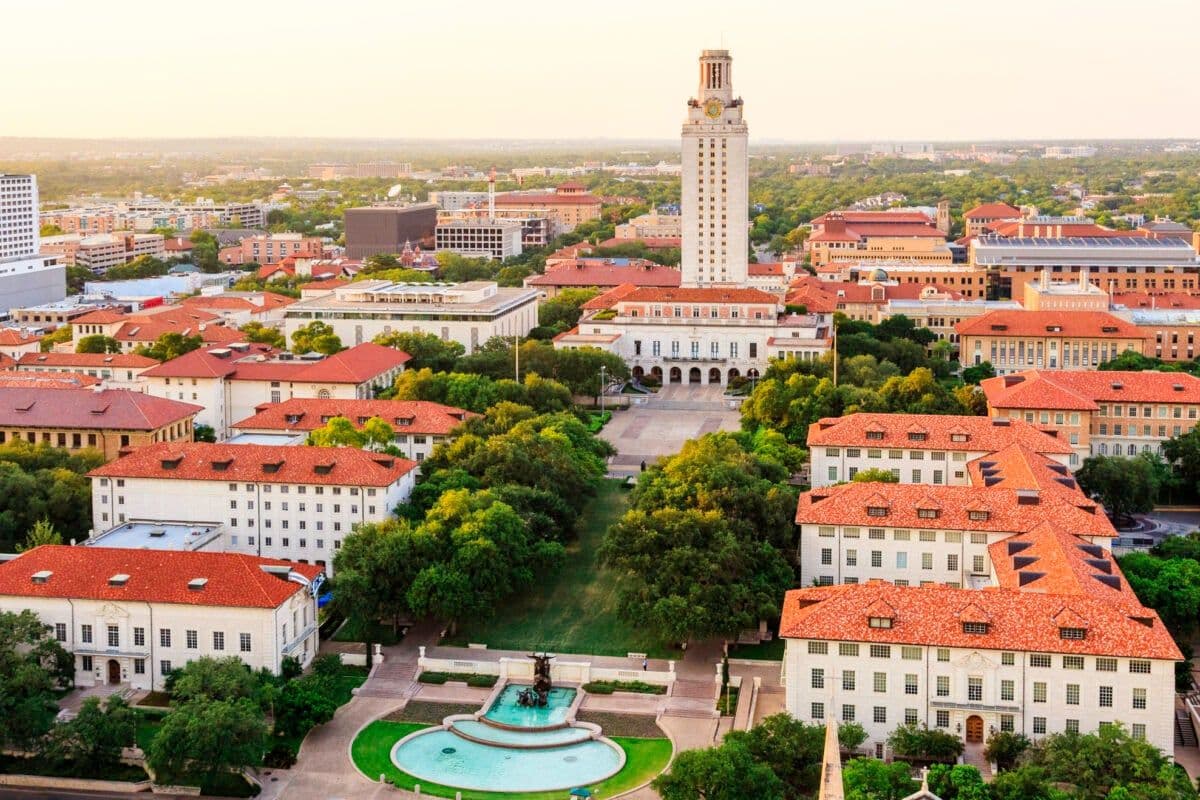
- Location: University of Texas at Austin, United States
- Field of Study: Literature
- Language of Instruction: English
Program Structure
Semester 1 – Foundations in Comparative Literature
- Introduction to Literary Theory
- Comparative Literary Analysis
- World Literature and Cultural Contexts
- Seminar: Texts, Translation, and Interpretation
Semester 2 – Advanced Literary Studies & Research
- Genre Studies and Literary Movements
- Interdisciplinary Approaches to Literature
- Research Methods in Literature
- Capstone Project / Literary Research
Career Opportunities
Graduates are prepared for careers as literary scholars, educators, editors, translators, and cultural consultants. They may work in universities, publishing houses, research institutions, or media organizations. The program equips students with skills in critical analysis, research, translation, and textual interpretation, enabling them to contribute to academic scholarship, education, or literary projects. Alumni often participate in writing, publishing, and interdisciplinary literary research. With applied research experience and analytical expertise, graduates gain a competitive advantage in literary, educational, and cultural sectors.
Why Choose This Program
This program is ideal for students seeking advanced knowledge in comparative literature with practical research and analytical experience. The one-year structure allows learners to develop foundational and specialized skills, engage in research projects, and receive expert guidance from faculty mentors. By participating in seminars, workshops, and applied research, students cultivate critical thinking, literary analysis, and scholarly writing skills. The curriculum emphasizes interdisciplinary approaches, theoretical understanding, and professional development, preparing graduates to make significant contributions to literary studies, education, and cultural scholarship.
Contact Information
For further information, please contact the admissions office at:
Phone: +1 (512) 471-3434
Email: gradadmissions@utexas.edu
Address: 110 Inner Campus Drive, Stop G1800, Austin, TX 78712, USA
