Comparative Media Studies
The Comparative Media Studies Bachelor of Science program offers an in-depth and multidisciplinary examination of how media shapes culture, communication, and societal interaction across global contexts. Students explore both traditional and emerging media forms while developing the ability to analyze them through critical frameworks, historical context, and technological awareness. The curriculum encourages a broad understanding of narrative, representation, and media systems, allowing learners to evaluate how communication structures influence public discourse and cultural identity. By connecting theory with application, the program helps students understand how media evolves and how it shapes the ways individuals and communities engage with the world.
As students advance in the program, they participate in research projects, collaborative media work, and coursework that strengthens analytical, creative, and interpretive skills. They gain experience in areas such as media analysis, digital storytelling, and cross-cultural communication, building a foundation that supports both academic inquiry and hands-on practice. Through access to faculty expertise and opportunities to engage with real-world media environments, learners develop the ability to interpret complex media landscapes and contribute thoughtfully to discussions on technology, communication, and culture. Graduates emerge with a comprehensive skill set suited for careers that require both analytical depth and creative flexibility.
Key Facts
Key Facts
- Program Title: Comparative Media Studies
- Degree Type: Bachelor of Science
- Duration: 4 years
- Mode of Study: Full-time, On Campus
- Application Deadline: 06 January 2026
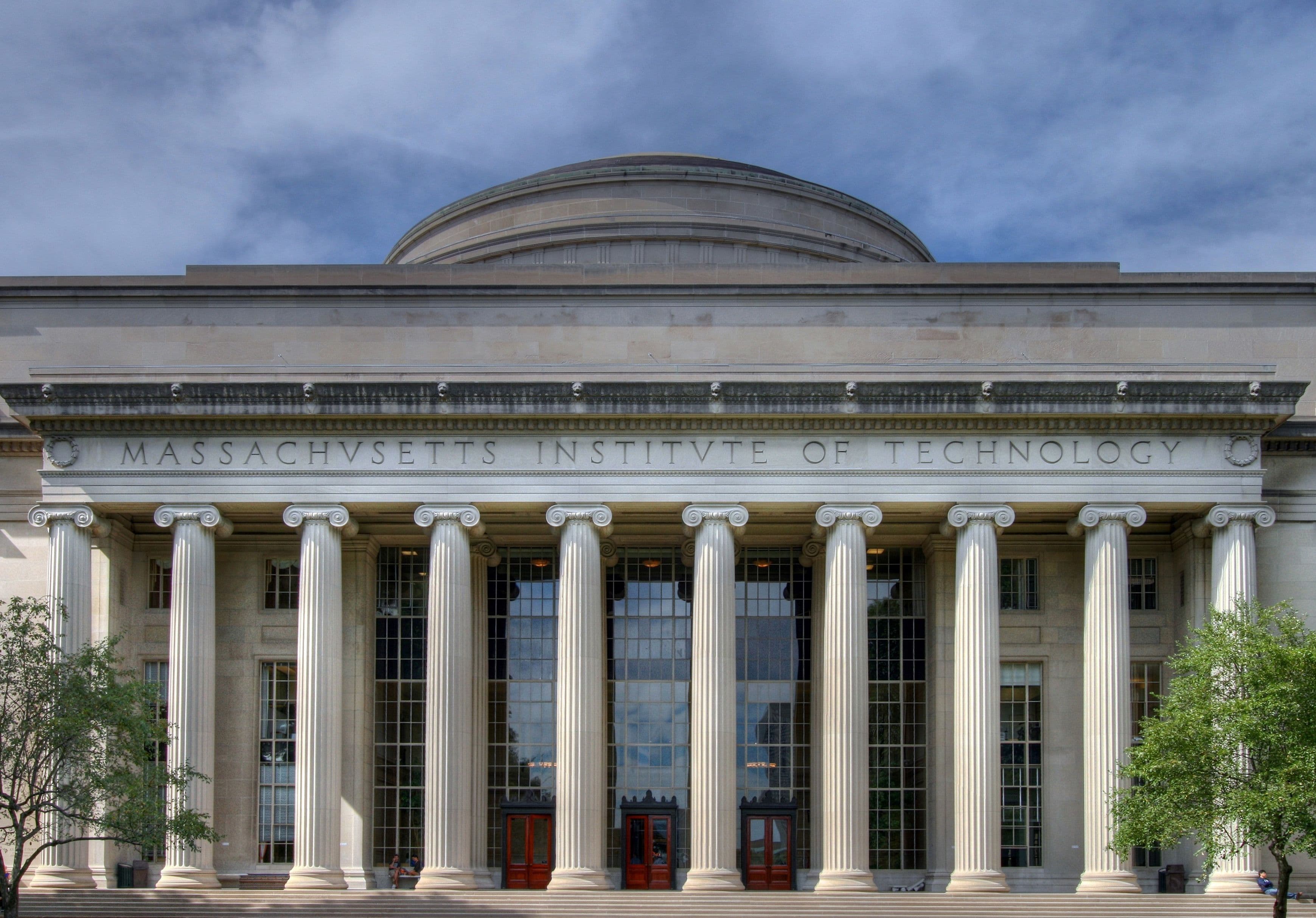
- Location: Massachusetts Institute of Technology (MIT), United States
- Field of Study: Media Studies & Mass Media
- Language of Instruction: English
Program Structure
Year 1 – Foundations in Media and Communication
• Introduction to Media Studies
• Fundamentals of Cultural Analysis
• Writing and Communication for Media
• Digital Media Tools and Methods
Year 2 – Core Comparative and Analytical Perspectives
• Global Media Systems
• Media Theory and Criticism
• Research Methods in Media Studies
• Visual Culture and Representation
Year 3 – Advanced Media Inquiry and Applications
• Digital Platforms and Social Communication
• Media Industries and Cultural Production
• Applied Media Research or Creative Project
• Electives in Communication, Technology, or Cultural Studies
Year 4 – Integration, Specialization & Capstone
• Advanced Topics in Comparative Media Studies
• Media, Society, and Technological Change
• Capstone Research or Creative Portfolio
• Specialized Electives in Media Theory or Practice
Career Opportunities
Graduates of this program pursue careers across a range of fields that rely on strong analytical, communication, and cultural literacy skills. Many enter roles in media research, digital production, journalism, public relations, or cultural institutions, applying their understanding of media systems to creative and strategic work. Others contribute to policy organizations, education, or technology companies where insights into communication patterns and cultural behavior are essential. The program also prepares students for graduate study in media studies, communication, cultural studies, or related areas that require advanced interpretive and research abilities.
Why Choose This Program
This program is ideal for students who want to explore how media shapes cultural understanding, public communication, and social dynamics across different contexts. The curriculum emphasizes critical thinking, interdisciplinary exploration, and research-based learning, enabling students to analyze media with both intellectual depth and practical awareness. Learners benefit from collaborative projects, access to media-focused research opportunities, and interactions with faculty engaged in diverse scholarly and creative work. With its balanced approach to theory and application, the program provides a meaningful academic path for those seeking to understand and influence the evolving media landscape.
Contact Information
For further information, please contact the admissions office at:
Phone: +1 617-253-1000
Email: admissions@mit.edu
Address: University of MIT, 77 Massachusetts Avenue, Cambridge, MA 02139, USA
