Computation and Neural Systems
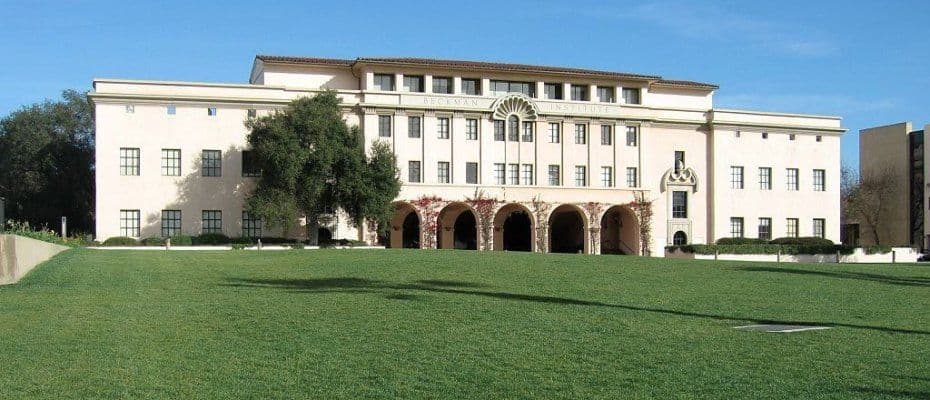
The Computation and Neural Systems Bachelor of Science program at the University of Caltech provides an interdisciplinary foundation that combines neuroscience, computation, mathematics, and physical sciences. The curriculum equips students with advanced knowledge in neural computation, systems neuroscience, signal processing, and algorithmic modeling, allowing them to analyze how biological neural networks acquire, process, and interpret information. Through a blend of theoretical instruction and laboratory-based exploration, learners develop the ability to study neural mechanisms with technical precision, interpret complex data from neural systems, and apply computational methods to understand cognitive and behavioral processes. This structure establishes a strong scientific basis for engaging with both biological and artificial intelligence systems.
Caltech’s research-focused environment enriches learning by bringing together experts from biology, chemistry, physics, and engineering. Students gain hands-on experience with computational modeling, electrophysiological tools, and advanced analytical techniques, enabling them to design experiments and explore neural signals at multiple scales. Working closely with faculty engaged in cutting-edge research helps learners deepen their understanding of neural systems and their computational principles. This interdisciplinary framework supports intellectual growth and prepares graduates to tackle scientific questions related to neural processing, behavior, and emerging computational technologies.
Key Facts
Key Facts
- Program Title: Computation and Neural Systems
- Degree Type: Bachelor of Science
- Duration: 4 years
- Mode of Study: Full-time, On Campus
- Application Deadline: 05 January 2026
- Location: California Institute of Technology (Caltech), United States
- Field of Study: Chemistry
- Language of Instruction: English
Program Structure
Year 1 – Foundations in Biology, Computation & Chemistry
- Introduction to Neuroscience
- General Chemistry and Laboratory
- Calculus and Linear Algebra
- Basics of Computer Science
Year 2 – Core Neural and Computational Principles
- Systems Neuroscience
- Probability, Statistics, and Data Methods
- Computational Modeling of Neural Systems
- Signals and Systems for Neuroscience
Year 3 – Applied Neural Computation
- Neural Coding and Information Processing
- Electives in Machine Learning, Biophysics, or Cognitive Science
- Neural Data Analysis Laboratory
- Research Seminar / Case Study Exploration
Year 4 – Advanced Study & Capstone Research
- Advanced Computational Neuroscience
- Independent Research or Senior Thesis
- Elective Courses in Chemical Neuroscience or Computational Biology
- Academic Presentation and Research Portfolio
Career Opportunities
Graduates of this program are equipped with strong interdisciplinary expertise that enables them to pursue diverse careers across neuroscience, technology, and data-driven scientific fields. Many find roles in biotechnology companies, neuroscience research labs, artificial intelligence organizations, and pharmaceutical development, contributing to projects that analyze neural signals, develop computational models, or support therapeutic innovation. Their training in both biological and computational methodologies allows them to work on algorithm development, neural interface technologies, data analytics, and cognitive systems research. Opportunities also exist in medical technology firms, cognitive engineering groups, and government research agencies where neural computation expertise is increasingly valuable. For students aiming to continue academically, the program provides excellent preparation for PhD studies in neuroscience, computational science, bioengineering, or related disciplines, supporting future careers in scientific research, academia, and advanced technological development.
Why Choose This Program
This program is an ideal choice for students seeking a research-driven, interdisciplinary education that enhances their advanced scientific insight, enabling them to explore the intersection of computation and neural function. The University of Caltech offers a rigorous academic environment supported by expert faculty guidance, state-of-the-art laboratory resources, and deep interdisciplinary collaboration. Students gain invaluable experience through computational projects, neural data analysis, and hands-on research activities that reflect current scientific and technological challenges. The curriculum also offers flexibility through electives that allow learners to specialize in areas such as machine learning, chemical neuroscience, or cognitive computation. With its emphasis on scientific precision, analytical depth, and innovation, this program prepares graduates for impactful careers in neuroscience, technology, and advanced research settings.
Contact Information
For further information, please contact the admissions office at:
Phone: +1 626 395 3000
Email: admissions@caltech.edu
Address: University of Caltech, 1200 East California Boulevard, Pasadena, CA 91125, United States
