.png&w=640&q=75)
Computational Engineering
Computational Engineering program provides students with a comprehensive understanding of applying computational methods and digital tools to engineering design and problem-solving. Over four years, students explore numerical analysis, computer-aided design, simulation techniques, algorithms, and modeling, developing strong analytical, programming, and problem-solving skills. The curriculum integrates theoretical study with practical application, enabling students to design, simulate, and optimize engineering systems across various industries. Students also examine interdisciplinary approaches that combine engineering, mathematics, and computer science to tackle complex design challenges.
Students engage in software-based projects, laboratory simulations, and collaborative design workshops, gaining practical experience in modeling, simulation, and computational problem-solving. The program emphasizes applied computational skills, critical thinking, and innovation, preparing graduates to work in engineering, manufacturing, technology, and research sectors. Graduates leave with the ability to implement computational solutions, optimize designs, and contribute effectively to engineering projects with a high degree of technical competence.
Key Facts
Key Facts
- Program Title: Computational Engineering
- Degree Type: Bachelor of Science
- Duration: 4 years
- Mode of Study: Full-time, On Campus
- Application Deadline: 01 December 2025
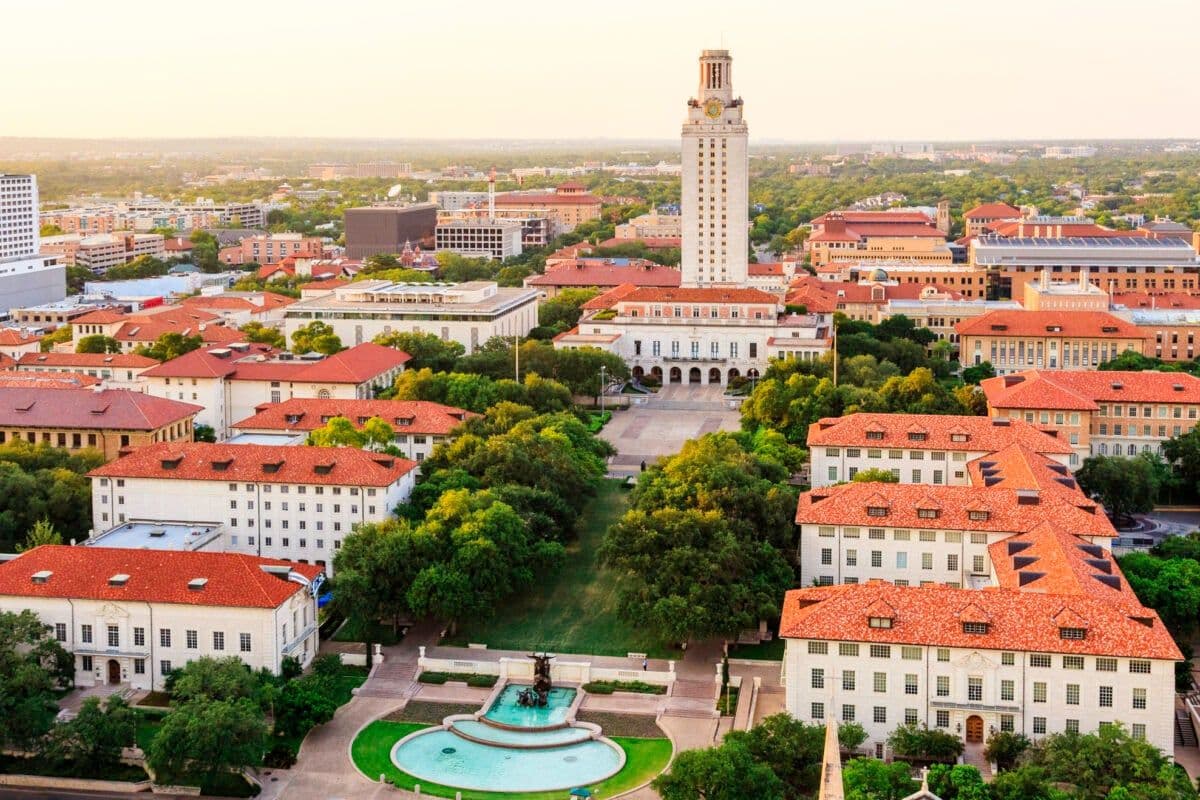
- Location: University of Texas at Austin, United States
- Field of Study: Design
- Language of Instruction: English
Program Structure
Year 1 – Foundations in Computational Engineering
- Introduction to Computational Engineering
- Engineering Mathematics and Physics
- Programming for Engineers
- Engineering Design Fundamentals
Year 2 – Intermediate Computational Methods
- Numerical Analysis and Modeling
- Computer-Aided Design (CAD)
- Data Structures and Algorithms
- Applied Engineering Simulations
Year 3 – Advanced Computational Engineering
- Optimization and Systems Analysis
- Finite Element Methods and Simulation
- Software Applications in Engineering
- Research Project and Case Studies
Year 4 – Capstone Projects and Professional Preparation
- Senior Design / Computational Thesis
- Internship in Engineering or Technology Firms
- Advanced Simulation and Modeling Techniques
- Professional Portfolio Development
Career Opportunities
Graduates are prepared for careers in engineering design, computational modeling, simulation, software development for engineering applications, research, manufacturing, and technology consulting. They may work in engineering firms, technology companies, research institutions, or manufacturing industries, applying their skills to simulate, analyze, and optimize engineering systems. The program equips students with computational expertise, problem-solving ability, and technical proficiency, enabling them to contribute to innovative design and engineering projects. By combining theoretical study, software applications, and practical projects, graduates are prepared to make meaningful contributions to the fields of computational engineering and applied design.
Why Choose This Program
This program offers a comprehensive and applied approach to computational engineering, integrating mathematics, programming, and engineering design with hands-on experience in simulation and modeling. Its curriculum fosters analytical thinking, technical proficiency, and professional skills while students engage in projects, internships, and collaborative workshops. Guided by experienced faculty and supported by access to computational labs and engineering software, students develop expertise in simulation, optimization, and digital design. Graduates leave the program with strong computational skills, applied engineering experience, and professional readiness, fully prepared for careers in engineering design, technology, research, and industrial applications.
Contact Information
For further information, please contact the admissions office at:
Phone: +1 (512) 471-3434
Email: gradadmissions@utexas.edu
Address: 110 Inner Campus Drive, Stop G1800, Austin, TX 78712, USA
