Bachelor of Science · Full-time · On Campus
Istanbul Technical University
Turkey
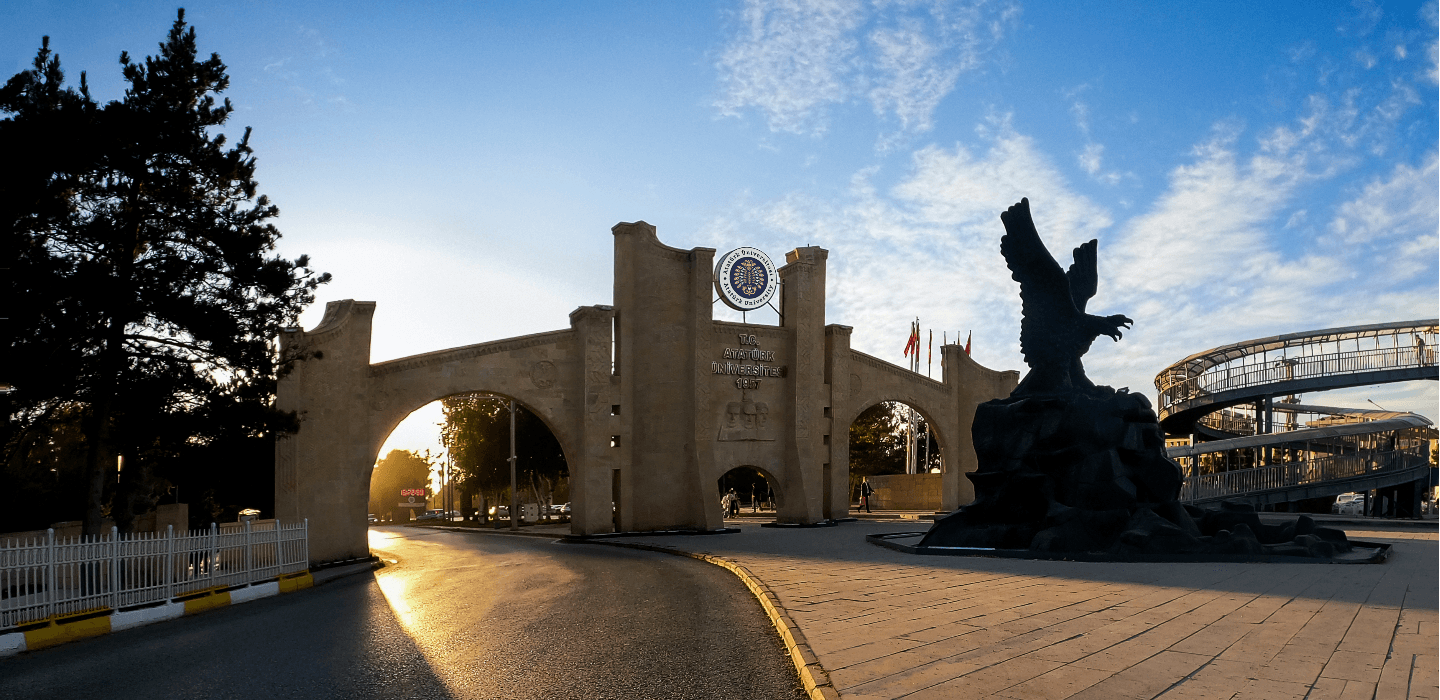
The English-medium Computer Engineering programme at Atatürk University provides students with a solid foundation in computing theory, software, hardware, and emerging technologies. The programme covers core and advanced courses: programming, data structures, algorithms, computer architecture, operating systems, databases, networks, and software engineering — along with electives in AI, data science, cybersecurity, and system design. Instruction is in English, preparing students for international standards and enabling graduates to work globally in both software and hardware fields. The programme also includes lab work and project-based learning to build practical skills and readiness for real-world challenges.
Based in Erzurum — a city with growing academic and technological institutions — this programme offers students access to modern computer labs, experienced faculty, and opportunities for research or collaborative projects. The curriculum balances theory with practical application, helping students to develop both analytical thinking and hands-on problem-solving abilities. Graduates leave equipped with strong computing skills, a global language of instruction, and versatility to work in the tech industry, research centers, or pursue postgraduate studies.
Semester 1 – Foundations of Computing
Semester 2 – Core Programming & Systems
Semester 3 – Systems Programming & Software Engineering
Semester 4 – Networks & Theory of Computation
Semester 5 – Specialization & Electives I
Semester 6 – Specialization & Electives II
Semester 7 – Capstone & Applied Projects
Semester 8 – Capstone Completion & Graduation
Graduates of this programme can work as software engineers, system analysts, network engineers, data scientists, cybersecurity experts, or developers in private companies, tech firms, or public institutions. They may also join research centers or pursue postgraduate studies in computer science, software engineering, or related fields. With strong foundations in computing and English-medium education, graduates are ready for both national and international opportunities in technology, research, and development. These broad options give graduates flexibility to shape their careers according to their interests.
Choosing the English Computer Engineering programme means enrolling in a curriculum that combines rigorous theoretical studies with applied computer science, software, and systems engineering. Students benefit from experienced faculty, modern labs, and project-based learning that build practical skills and problem-solving ability. The English-medium instruction supports international standards and global employability. This structure helps students gain confidence as they build their technical skills.
Moreover, the programme offers a flexible and up-to-date curriculum that includes electives like AI, cybersecurity, data science, and cloud computing — matching current industry demands. Through projects, labs, and electives, students gain versatility and readiness for diverse career paths in tech, research, or further education. Such variety allows students to find the specialization that best fits their goals.
Atatürk University – Student Advisory Service
Yakutiye Campus
25240 Erzurum, Turkey
Tel: +90 442 231 10 00
Fax: +90 442 231 10 05
Email: info@atauni.edu.tr
Department of Computer Engineering – Programme Contact (English)
Faculty of Engineering, Atatürk University
Yakutiye Campus, 25240 Erzurum, Turkey
Tel: +90 442 231 20 00
Email: compeng@atauni.edu.tr
International Office – Atatürk University
Yakutiye Campus
25240 Erzurum, Turkey
Tel: +90 442 231 14 00
Fax: +90 442 231 14 05
Email: international@atauni.edu.tr
Bachelor of Science · Full-time · On Campus
Istanbul Technical University
Turkey
Bachelor of Science · Full-time · On Campus
Istanbul Technical University
Turkey
Master of Science · Full-time · On Campus
Hacettepe University
Turkey
Bachelor of Science · Full-time · On Campus
Akdeniz University
Turkey
