
Computer Science and Chemistry
The Bachelor of Science in Computer Science and Chemistry provides an extensive interdisciplinary pathway that combines computational thinking with a deep scientific understanding of chemical processes. This program allows students to explore how algorithmic methods, data analysis, and modeling intersect with chemical structure, reaction mechanisms, and laboratory experimentation. Learners develop a strong foundation in programming, computational theory, analytical chemistry, and molecular science, enabling them to apply scientific investigation, computational modeling, data driven reasoning, and problem solving across a wide range of research and industry contexts. Through this integrated approach, students gain the ability to examine chemical phenomena from both theoretical and computational perspectives, supporting long term academic and professional growth in technologically advancing fields.
The curriculum emphasizes innovation and interdisciplinary exploration, encouraging learners to analyze how computer science tools enhance chemical research and how chemical principles inform new computational techniques. Students work with laboratory instrumentation, software development, algorithm design, and data simulation methods to evaluate chemical systems with precision and efficiency. Collaborative projects, research opportunities, and experiential learning further strengthen students’ capacity to connect abstract concepts with practical applications in areas such as materials science, biotechnology, environmental chemistry, and computational analysis. By graduation, learners possess a comprehensive scientific and technical foundation that prepares them to address complex challenges at the intersection of chemistry and computer science.
Key Facts
Key Facts
- Program Title: Computer Science and Chemistry
- Degree Type: Bachelor of Science
- Duration: 4 years
- Mode of Study: Full-time, On Campus
- Application Deadline: 05 January 2026
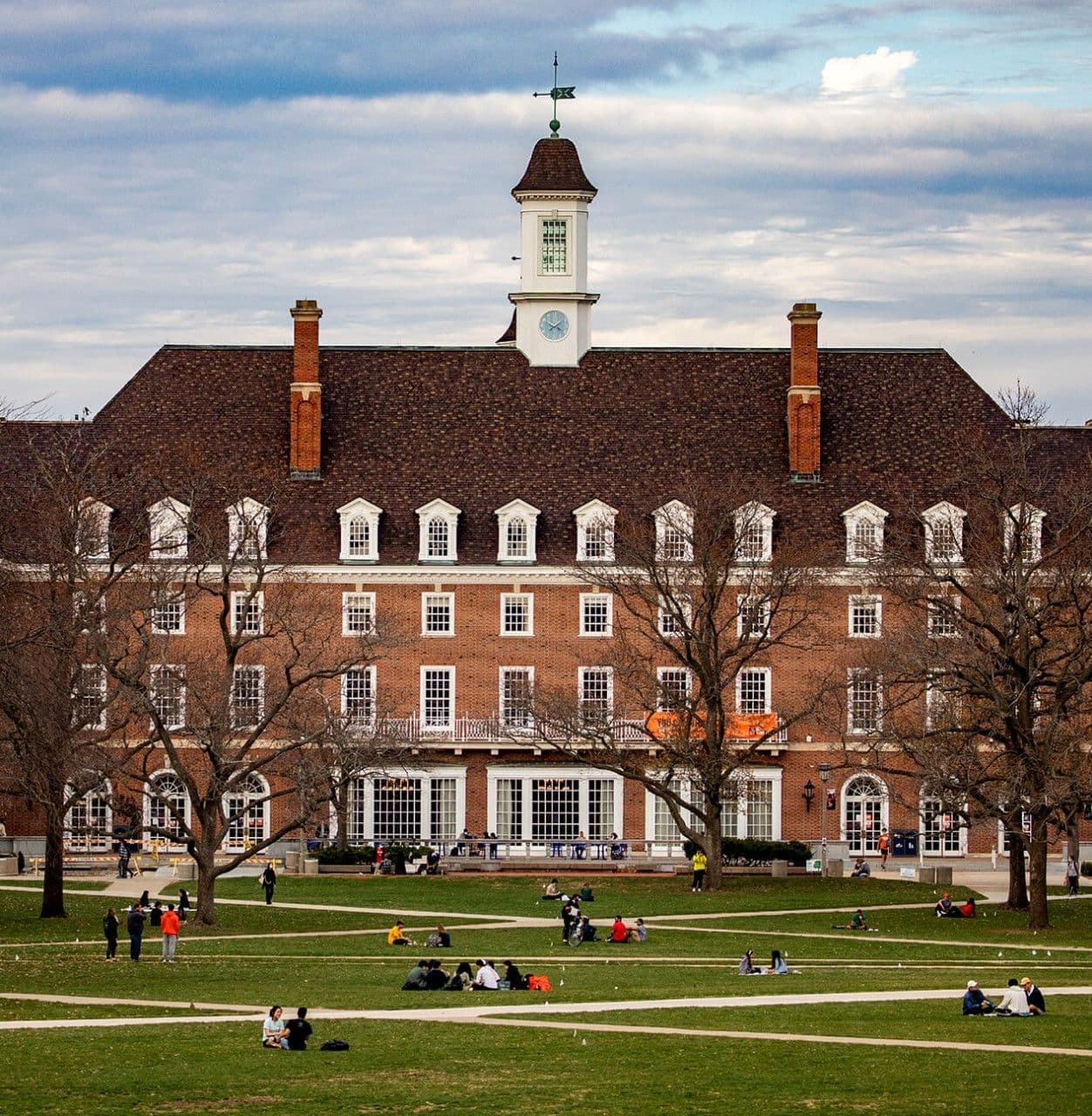
- Location: University of Illinois Urbana-Champaign, United States
- Field of Study: Chemistry
- Language of Instruction: English
Program Structure
Year 1 - Core Principles in Computing and Chemistry
• Introduction to Programming
• General Chemistry
• Discrete Structures
• Fundamentals of Chemical Analysis
Year 2 - Computational Tools and Chemical Systems
• Data Structures and Algorithms
• Organic Chemistry
• Computer Architecture
• Quantitative Chemical Methods
Year 3 - Applied Computational Chemistry
• Physical Chemistry
• Software Design and Development
• Computational Chemistry
• Analytical Instrumentation
Year 4 - Advanced Integration and Research Practice
• Chemical Data Modeling
• Advanced Algorithms
• Capstone Research Project
• Professional Preparation in Scientific Computing
Career Opportunities
Graduates of this program are prepared for diverse career paths where computational expertise and chemical knowledge are essential for scientific advancement and technological innovation. Many work as computational chemists, laboratory analysts, software developers, chemical data specialists, research assistants, or quality control analysts in industries such as pharmaceuticals, biotechnology, environmental science, chemical engineering, and advanced materials. Their ability to integrate computational analysis, laboratory expertise, scientific modeling, and technical problem solving supports roles in research institutions, government agencies, and private sector companies focused on chemical data interpretation and scientific software development. Some graduates pursue advanced study in chemistry, computer science, materials science, or chemical engineering, enhancing their opportunities for specialized research and leadership positions across scientific and technological fields.
Why Choose This Program
Students select this degree because it offers a rigorous interdisciplinary experience that blends computational skill development with scientific depth, creating a strong platform for future innovation and research. The curriculum encourages learners to explore chemical systems through algorithmic thinking and to evaluate scientific questions using advanced computational tools. With opportunities for laboratory research, programming projects, and interdisciplinary collaboration, students gain technical versatility, scientific insight, and the ability to approach complex challenges from multiple analytical angles. This program is ideal for individuals who want an academically challenging pathway that supports meaningful contributions to scientific discovery, technological development, and the expanding field of computational chemistry.
Contact Information
For further information, please contact the graduate admissions office at:
Phone: 217-333-0035
Email: grad@illinois.edu
Address: The Graduate College, 507 East Green Street, Suite 101, MC-434, Champaign, IL 61820, United States
