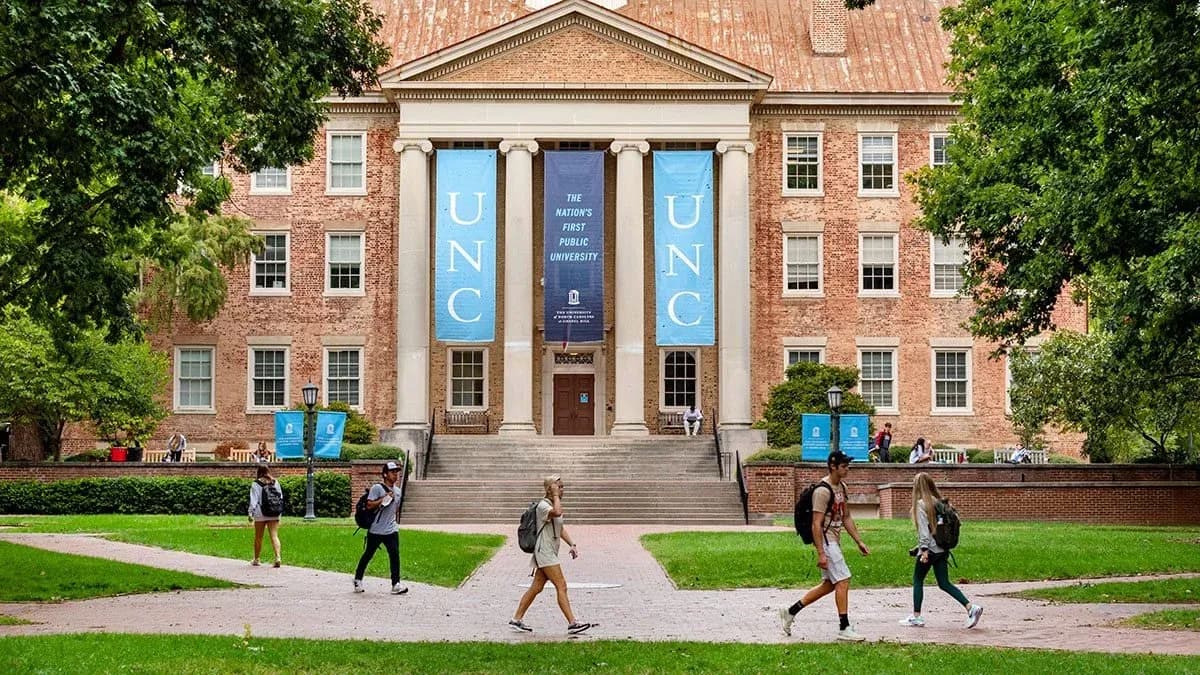

Computer Science, Bioinformatics
The Bioinformatics Bachelor of Arts program in Computer Science at the University of North Carolina provides students with an interdisciplinary foundation in computational methods, biology, and data analysis. The curriculum emphasizes programming, biological data interpretation, statistical analysis, and algorithm development, preparing learners to solve complex problems at the intersection of computer science and life sciences. Students develop analytical skills, computational expertise, research competence, and applied knowledge in bioinformatics, equipping them to pursue careers in biotechnology, healthcare, and scientific research.
Throughout the program, learners engage in coursework, laboratory experiences, and applied projects that integrate theoretical understanding with practical computational and biological applications. Faculty mentorship guides students in coding, data modeling, and biological data analysis, enabling them to apply classroom knowledge to research, healthcare, and industry contexts. By combining theory with applied practice, students strengthen problem solving abilities, data analysis skills, programming competence, and applied research expertise, ensuring they are prepared for professional, research, and technical roles in bioinformatics and computational biology.
Key Facts
Key Facts
- Program Title: Computer Science, Bioinformatics
- Degree Type: Bachelor of Arts
- Duration: 4 years
- Mode of Study: Full-time, On Campus
- Application Deadline: 01 February 2026
- Location: University of North Carolina at Chapel Hill, United States
- Field of Study: Computer Sciences
- Language of Instruction: English
Program Structure
Year 1 Foundations in Computer Science and Biology
• Introduction to Computer Science and Bioinformatics
• Programming Fundamentals
• Biology and Genetics for Bioinformatics
• Academic Writing and Research
Year 2 Core Bioinformatics Studies
• Data Structures and Algorithms
• Statistics and Probability for Life Sciences
• Database Management and Analysis
• Applied Research Methods in Bioinformatics
Year 3 Advanced Applications
• Computational Genomics and Proteomics
• Bioinformatics Software Development
• Data Modeling and Simulation
• Applied Project in Bioinformatics
Year 4 Integration and Capstone
• Advanced Bioinformatics Analysis
• Computational Biology Research Techniques
• Capstone Project in Bioinformatics
• Professional Development and Portfolio
Career Opportunities
Graduates of this program are prepared for professional roles that require expertise in computational biology, data analysis, and bioinformatics. Many pursue careers as bioinformatics analysts, computational biologists, data scientists, and biotech researchers, applying analytical, programming, and research skills in healthcare, biotechnology, and scientific research institutions. Others work in research labs, hospitals, pharmaceutical companies, or tech firms, analyzing biological data, developing computational tools, and supporting research initiatives. The program’s emphasis on applied bioinformatics, computational expertise, and research competence equips graduates to excel in professional, technical, and research roles.
Why Choose This Program
This program is ideal for students who want to combine computer science skills with biological and data analysis expertise. Its curriculum emphasizes programming, computational biology, statistical analysis, and applied research projects, providing learners with the tools to analyze and interpret complex biological data effectively. Faculty mentorship supports students in developing analytical skills, programming expertise, research competence, and applied problem solving abilities. Through lab work, applied projects, and a capstone experience, learners strengthen analytical competence, computational expertise, problem solving abilities, and applied research skills, preparing them for impactful careers in bioinformatics, computational biology, data science, and biotechnology research.
Contact Information
Phone: +1 (919) 966-3621
Email: unchelp@admissions.unc.edu
Address: Jackson Hall, 174 Country Club Road, Chapel Hill, NC 27514, USA
