
Computer-Based Music Theory and Acoustics
The Master of Arts in Computer-Based Music Theory and Acoustics is designed to provide students with a comprehensive understanding of music theory, acoustics, and computational methods in music analysis. The program combines traditional musicological approaches with modern technology, enabling students to analyze, synthesize, and interpret sound using advanced computational tools. Students gain practical experience in digital audio processing, acoustical modeling, and algorithmic composition, preparing them to innovate at the intersection of music, technology, and research.
Throughout the program, students engage in applied projects, research studies, and collaborative exercises that emphasize critical thinking, analytical rigor, and creative problem-solving. The curriculum covers music theory, acoustics, computational modeling, and sound design, allowing graduates to develop technical proficiency and scholarly expertise in both music analysis and acoustic research. By the end of the program, students possess the skills and knowledge necessary to pursue careers in music technology, academic research, and interdisciplinary music studies.
Key Facts
Key Facts
- Program Title: Computer-Based Music Theory and Acoustics
- Degree Type: Master of Arts
- Duration: 2 years
- Mode of Study: Full-time, On Campus
- Application Deadline: 10 December 2025
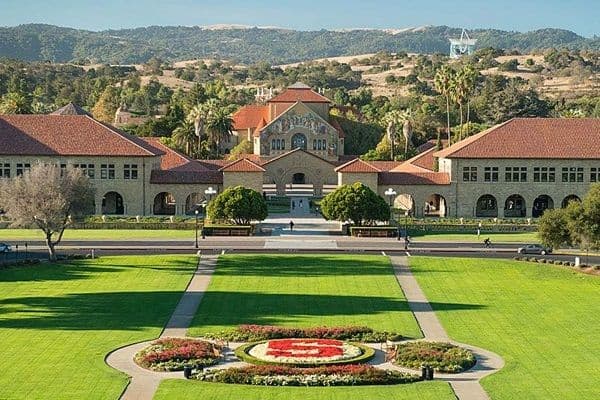
- Location: Stanford University, United States
- Field of Study: Music
- Language of Instruction: English
Program Structure
Semester 1 – Foundations in Music Theory and Acoustics
- Introduction to Music Theory and Analysis
- Fundamentals of Acoustics and Sound Perception
- Digital Audio Processing
- Research Methods in Music
Semester 2 – Advanced Computational Techniques
- Computational Musicology and Algorithmic Composition
- Psychoacoustics and Signal Processing
- Music Technology and Software Tools
- Seminar in Contemporary Music Research
Semester 3 – Applied Research & Specialization
- Acoustical Modeling and Sound Synthesis
- Research Project / Internship
- Elective Modules in Composition, Audio Engineering, or Music Theory
- Interactive Sound and Media Applications
Semester 4 – Master’s Thesis & Capstone Project
- Independent Research / Thesis
- Advanced Computational Analysis in Music
- Presentation of Findings & Professional Portfolio
- Capstone Project in Computer-Based Music Theory and Acoustics
Career Opportunities
Graduates of this program are prepared for careers in music technology, sound design, audio engineering, academic research, and interdisciplinary music studies. They can work in universities, research institutions, recording studios, media production companies, or software development firms. The program develops analytical, technical, and creative skills, enabling graduates to analyze complex musical structures, design innovative acoustic solutions, and apply computational methods in research and practice. Alumni are positioned to contribute to technological innovation and scholarly advancement in music and acoustics.
Why Choose This Program
This program offers a unique interdisciplinary approach, combining music theory, acoustics, and computational methods. Students gain hands-on experience through research projects, digital audio applications, and applied studies, allowing them to explore music in both traditional and technological contexts. The curriculum emphasizes critical thinking, creativity, and technical proficiency, preparing graduates to innovate in music research, production, and technology. By choosing this program, students acquire the expertise, practical skills, and professional experience necessary to excel in music technology, acoustic research, and interdisciplinary music careers.
Contact Information
For further information, please contact the admissions office at:
Phone: +1 650 000 0000
Email: admissions@standord.edu
Address: University of Standord, 450 Serra Mall, Stanford, CA 94305, United States
