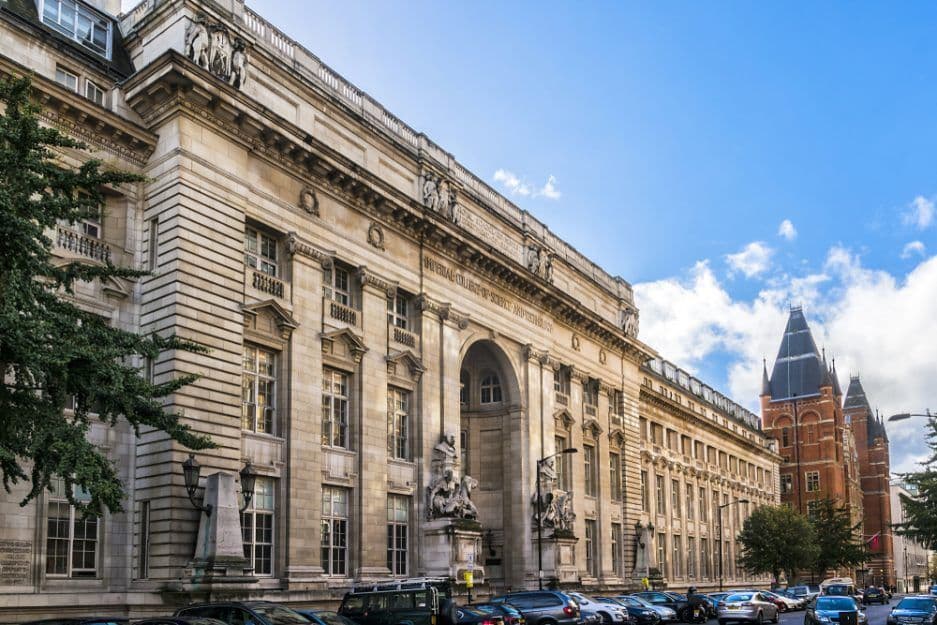

Computing (Visual Computing and Robotics)
The Master of Engineering (Integrated Undergraduate Degree) in Computing (Visual Computing and Robotics) at Imperial College London is a four-year, full-time program that focuses on the intersection of computer science, robotics, and visual computing. Students will study key areas such as computer vision, artificial intelligence, robotics, 3D modeling, and machine learning, all of which are essential for the development of intelligent robotic systems and interactive visual technologies. The program combines theoretical computer science with practical skills in hardware and software development, making it ideal for those interested in robotics, automation, and visual technologies.
Graduates will be prepared for careers in robotics, autonomous vehicles, augmented reality, and artificial intelligence, where they can work on the development and implementation of cutting-edge technologies. The program’s hands-on approach, including extensive laboratory and project-based work, ensures that students gain the practical skills necessary to design and build robotic systems, making them highly sought after in technology-driven industries.
Key Facts
Key Facts
Program Title: Master of Engineering in Computing (Visual Computing and Robotics)
Degree Type: Master of Engineering (MEng)
Duration: 4 years
Mode of Study: Full-time, On Campus
Application Deadline: January 14, 2026
Location: Imperial College London, United Kingdom
Field of Study: Robotics
Language of Instruction: English
Program Structure
Year 1 – Foundations in Computing, Robotics, and Visual Computing
- Introduction to Computing and Programming
- Mathematics for Engineers
- Principles of Robotics and Automation
- Introduction to Computer Graphics and Visual Computing
- Physics for Engineers
Year 2 – Advanced Computing and Robotics Concepts
- Data Structures and Algorithms
- Computer Vision and Image Processing
- Embedded Systems and Control Engineering
- Machine Learning and AI for Robotics
- Robotics Kinematics and Dynamics
Year 3 – Specialization in Visual Computing and Robotics
- Advanced Robotics: Navigation and Path Planning
- Visual Computing and 3D Graphics
- Sensor Integration and Perception in Robotics
- Real-Time Systems and Control
- Research Methods and Data Analysis in Robotics
Year 4 – Mastery and Research in Robotics and Visual Computing
- Advanced Topics in Visual Computing (Augmented Reality, Virtual Reality)
- Robotic Systems Integration and Programming
- Autonomous Robotics and Intelligent Systems
- Final Year Research Project / Thesis in Robotics and Visual Computing
- Elective Modules in Advanced AI, Robotics, or Human-Robot Interaction
Career Opportunities
Graduates of the Computing (Visual Computing and Robotics) program are well-prepared for careers in the rapidly evolving fields of robotics, artificial intelligence, and visual computing. Career paths include roles such as Robotics Engineer, Visual Computing Specialist, AI Engineer, Computer Vision Engineer, or Automation Systems Developer. Graduates can work in industries such as automotive, aerospace, robotics manufacturing, entertainment (AR/VR), medical robotics, and research. The program’s comprehensive approach to both robotics and visual computing equips students to work on cutting-edge projects in autonomous systems, robotic surgery, and human-robot interaction.
Why Choose This Program
This program offers an interdisciplinary approach to robotics and visual computing, combining the principles of robot design, autonomous systems, and computer graphics. Students gain expertise in AI, machine learning, and computer vision, preparing them to develop and optimize intelligent, interactive robots. With a focus on hands-on experience, including a final year research project, students have the opportunity to apply their knowledge to real-world challenges in both robotics and visual computing. The program also offers elective modules in human-robot interaction, AI, and advanced visual systems, allowing students to tailor their education to their interests. This comprehensive education ensures that graduates are equipped to contribute to innovations in robotics, virtual reality, and autonomous systems.
Contact Information
For further information, please contact the admissions office at:
Phone: +44 (0)20 7589 5111
Email: admissions@imperial.ac.uk
Address: Imperial College London, South Kensington Campus, London SW7 2AZ, United Kingdom
