Conservation Biology
The Master of Science in Conservation Biology at the University of Derby is a one-year, full-time on-campus program designed for individuals interested in preserving biodiversity and protecting ecosystems. The program covers key areas such as conservation biology, ecology, environmental policy, and species conservation, preparing students to work on projects that protect and restore natural habitats.
Students will gain practical experience through fieldwork and research projects, applying their knowledge to real-world conservation challenges. Graduates will be well-prepared for careers in conservation research, wildlife management, or environmental consultancy, where they can contribute to the protection of endangered species and ecosystems.
Key Facts
Key Facts
- Program Title: Master of Science in Conservation Biology
- Degree Type: Master of Science (MSc)
- Duration: 1 year
- Mode of Study: Full-time, On Campus
- Application Deadline: 20th July 2026
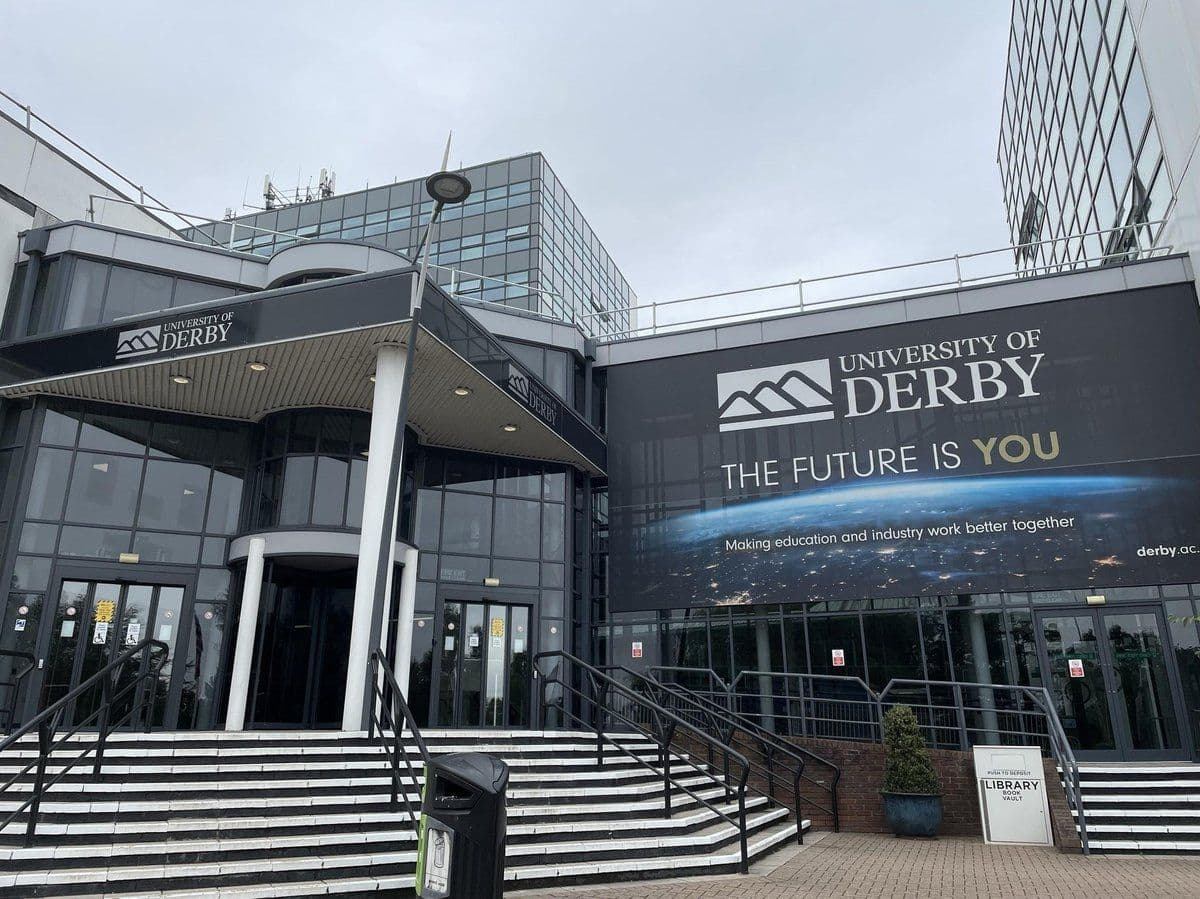
- Location: University of Derby, United Kingdom
- Field of Study: Biology
- Language of Instruction: English
Program Structure
Semester 1 – Foundations of Conservation Science and Ecology
• Principles of Biodiversity and Ecosystem Function
• Conservation Genetics and Evolutionary Biology
• Research Methods and Data Analysis in Biological Sciences
• Environmental Policy, Law, and Ethics
Semester 2 – Applied Conservation and Field Research
• Wildlife Management and Habitat Restoration
• Climate Change and Conservation Strategies
• Geographic Information Systems (GIS) and Remote Sensing in Ecology
• Master’s Dissertation / Applied Conservation Project
Career Opportunities
Graduates of this program can pursue careers in wildlife conservation, environmental consultancy, research, and non-governmental organizations (NGOs). Typical roles include conservation biologist, environmental scientist, ecological consultant, or biodiversity officer. The program also provides a foundation for doctoral research or policy development, supporting work in protected area management, climate adaptation, and species preservation initiatives. With its combination of field-based and analytical skills, graduates are prepared to tackle global environmental challenges and promote sustainable conservation practices.
Why Choose This Program
This program delivers a comprehensive understanding of biological conservation, combining fieldwork, research, and policy analysis. Students gain hands-on experience in ecological monitoring, data collection, and conservation planning, guided by expert scientists and practitioners. The curriculum emphasizes biodiversity protection, environmental sustainability, and the scientific principles that underpin modern conservation efforts. Through applied research and global case studies, learners develop the skills to analyze ecological problems, design effective solutions, and contribute meaningfully to the preservation of natural ecosystems worldwide.
Contact Information
For further information, please contact the admissions office at:
Phone: +44 (0)1332 591 000
Email: admissions@derby.ac.uk
Address: University of Derby, Kedleston Road, Derby DE22 1GB, United Kingdom
