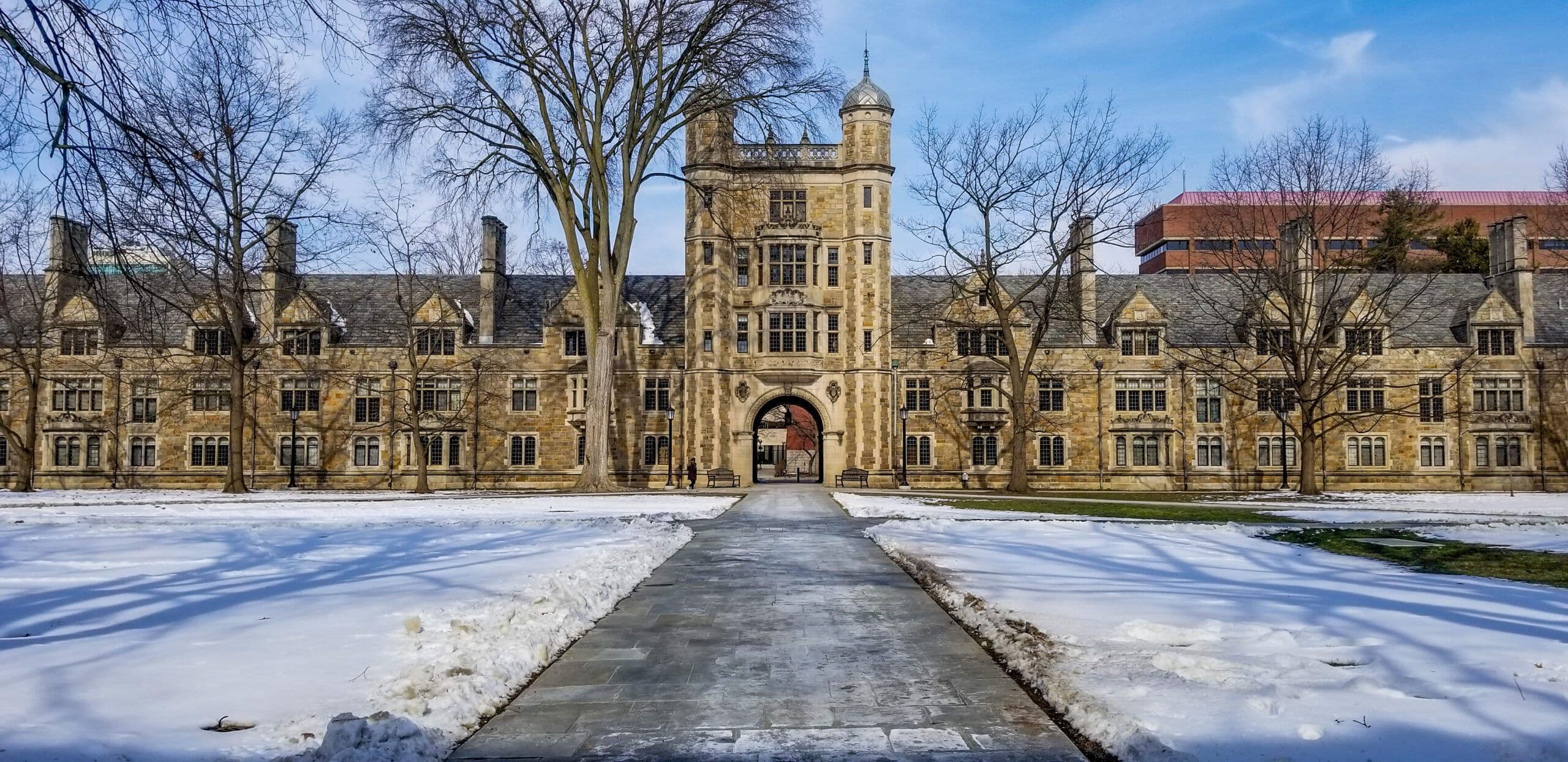

Conservation Ecology
The Master of Science in Conservation Ecology at the University of Michigan provides a comprehensive program for students seeking advanced knowledge in ecosystem management, biodiversity conservation, and environmental sustainability. The curriculum emphasizes ecological theory, conservation strategies, habitat restoration, and field research, preparing students to address complex environmental challenges and protect natural resources. Students engage in applied research, ecological monitoring, and data analysis, developing skills necessary to evaluate ecosystems, design conservation plans, and implement evidence based strategies. This program cultivates both research proficiency and practical expertise, equipping graduates to contribute to biodiversity protection, environmental policy, and sustainable resource management.
Learners participate in an interdisciplinary environment where ecology, conservation science, and field research intersect. The curriculum offers opportunities for applied ecological studies, habitat assessment, and conservation planning, allowing students to explore wildlife management, ecosystem restoration, and environmental policy development. Through mentorship, fieldwork, and collaborative projects, students refine problem solving, analytical, and communication skills. With a focus on evidence based practice and applied research, the program prepares graduates to design and implement conservation initiatives, influence environmental policy, and support global sustainability efforts.
Key Facts
Key Facts
- Program Title: Conservation Ecology
- Degree Type: Master of Science
- Duration: 2 years
- Mode of Study: Full-time, On Campus
- Application Deadline: 01 April 2026
- Location: University of Michigan, United States
- Field of Study: Ecology
- Language of Instruction: English
Program Structure
Semester 1 - Foundations in Conservation Ecology
• Principles of Ecology
• Biodiversity and Conservation Biology
• Research Methods in Ecology
• Statistics and Data Analysis for Ecologists
Semester 2 - Intermediate Applications and Fieldwork
• Habitat Restoration Techniques
• Population and Community Ecology
• Conservation Planning and Policy
• Elective in Specialized Ecological Topics
Semester 3 - Advanced Research and Analysis
• Ecosystem Management Strategies
• Applied Field Research
• Seminar in Conservation Challenges
• Research Project in Ecology
Semester 4 - Thesis and Professional Development
• Master’s Thesis Research
• Environmental Policy and Evaluation
• Leadership in Conservation Practice
• Professional Skills and Career Preparation
Career Opportunities
Graduates of this program acquire advanced research, analytical, and field skills that prepare them for careers in conservation organizations, environmental consulting, wildlife management, and ecological research. They develop expertise in habitat assessment, ecosystem monitoring, and conservation planning, enabling them to implement sustainable strategies and protect biodiversity. The program also prepares graduates for roles in government agencies, non profit environmental organizations, and academic research institutions. Graduates leave equipped to lead conservation projects, influence environmental policy, and contribute to global ecological sustainability initiatives.
Why Choose This Program
This program is ideal for students seeking a curriculum that integrates conservation science with applied field research and ecological practice, offering opportunities for hands on studies, habitat restoration, and mentorship. Learners benefit from faculty expertise, interdisciplinary collaboration, and practical research experience that strengthen analytical, field, and problem solving skills. The curriculum emphasizes evidence based conservation, sustainability, and professional development, preparing graduates to address complex environmental challenges. With its focus on research excellence and practical proficiency, the program provides a rigorous academic environment for students aspiring to careers in conservation, environmental management, and ecological research.
Contact Information
For further information, please contact the admissions office at:
Phone: 734-764-8129
Email: rackadmis@umich.edu
Address: Graduate Admissions Office, University of Michigan, Ann Arbor, MI 48109, USA
