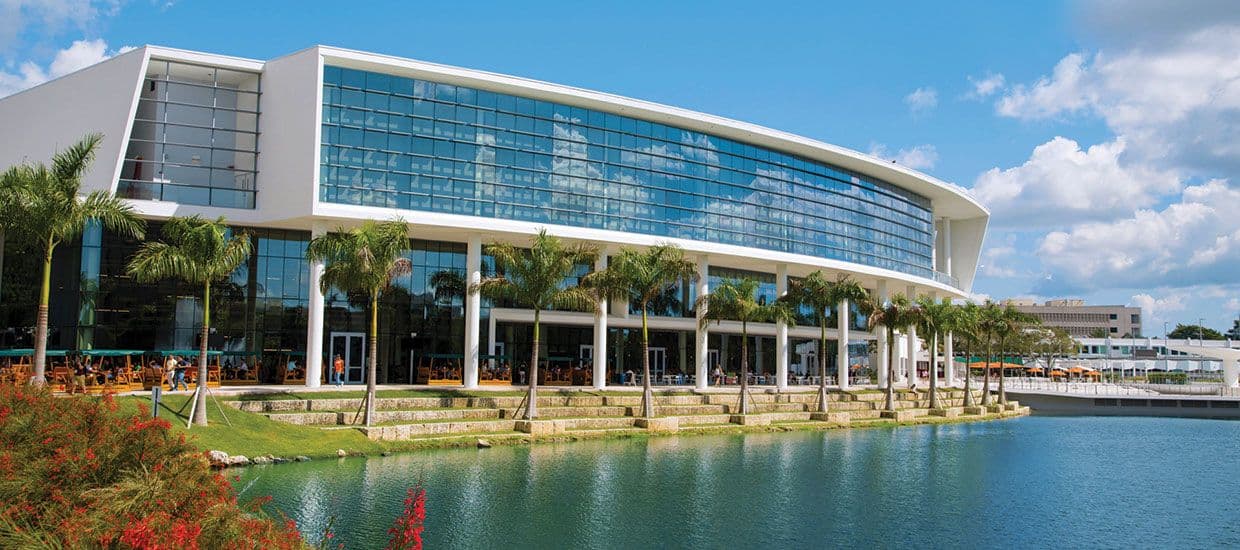

Contemporary Theory of the Built Environment
The Master of Science in Contemporary Theory of the Built Environment is a two-year, full-time graduate program that critically examines the social, cultural, ecological, and technological dimensions of architectural and urban environments. Students engage with advanced theoretical frameworks to interpret how buildings, cities, and infrastructures are shaped by—and in turn shape—contemporary life. The curriculum integrates insights from environmental engineering, design theory, sociology, and sustainability studies, offering a multifaceted approach to understanding the built environment as both a technical and cultural construct. Core modules encourage reflection on the historical evolution of urban systems, the politics of space, and the ecological consequences of design decisions.
This program is ideal for students who want to connect environmental consciousness with scholarly analysis and practical critique. Through studio work, seminars, and research projects, learners explore pressing global challenges such as climate change, urban inequality, and resource depletion, while questioning dominant design paradigms. The program fosters critical thinkers who can evaluate design not only as form but as a social act with far-reaching impacts. Students gain the skills to assess, critique, and inform policies and practices that govern spatial development. With a strong emphasis on interdisciplinary engagement, the program prepares graduates to work at the intersection of theory, engineering, and urban transformation.
Key Facts
Key Facts
- Program Title: Contemporary Theory of the Built Environment
- Degree Type: Master of Science
- Duration: 2 years
- Mode of Study: Full-time, On Campus
- Application Deadline: 01 December 2025
- Location: University of Miami, United States
- Field of Study: Environmental Engineering
- Language of Instruction: English
Program Structure
Semester 1 – Foundations of Theory and Environment
• Theories of the Built Environment
• Environmental Systems and Performance
• Architectural History and Criticism
• Urban Ecology and Design
Semester 2 – Applied Research and Analysis
• Spatial Politics and Ethics
• Sustainable Infrastructure
• Research Methods in Environmental Design
• Case Studies in Urban Theory
Semester 3 – Contemporary Challenges and Innovation
• Climate Adaptation in Urban Contexts
• Critique of Global Architecture
• Technology and Material Systems
• Project-Based Research Studio
Semester 4 – Master’s Thesis
• Individual Thesis Research and Presentation
• Faculty-Guided Workshops
• Peer Review and Public Critique Sessions
Career Opportunities
Graduates of this program are prepared for advanced roles in urban planning departments, architectural consultancies, environmental think tanks, policy institutions, and research organizations. Their expertise in theoretical critique and environmental evaluation equips them to advise on sustainable development, spatial justice, and climate-resilient design strategies. Some pursue careers in academia, working as lecturers or researchers in urban and architectural theory, while others enter advisory roles in NGOs and international agencies focused on environmental and spatial equity. The interdisciplinary nature of the program also makes graduates ideal collaborators for multi-sectoral teams addressing complex urban and environmental challenges.
Why Choose This Program
This program is designed for those who seek a critical, interdisciplinary, and forward-thinking approach to the built environment. Unlike purely technical or design-driven degrees, it empowers students to question the assumptions behind development, analyze the systemic impacts of design, and propose sustainable, inclusive alternatives. Whether your interest lies in environmental policy, spatial justice, or cultural critique of architecture, the program equips you with both analytical tools and research skills needed to shape meaningful change. Through close mentorship, access to diverse theoretical resources, and hands-on research opportunities, students graduate ready to influence how societies build and inhabit space in a rapidly changing world.
Contact Information
For further information, please contact the admissions office at:
Phone: +1 305 284 2000
Email: admissions@miami.edu
Address: University of Miami, 1320 S Dixie Hwy, Coral Gables, FL 33146, United States
