Counseling
The Master of Arts in Counseling offers a developmentally grounded and practice-oriented curriculum designed for students who want to support the academic, emotional, and social growth of children and adolescents. The program integrates coursework in counseling theory, child development, assessment methods, and school-based intervention, providing learners with a strong foundation to understand how students’ needs evolve across grade levels. Through case discussions, role-playing activities, and reflective practice, students examine how environmental, cultural, and psychological factors influence student behavior and well-being. This structure equips learners with both conceptual insight and the practical reasoning required for effective school counseling.
Alongside theoretical preparation, the program emphasizes applied experience through supervised practicum placements, skills laboratories, and collaboration with educators and mental health professionals. Students strengthen competencies in individual counseling, group facilitation, crisis response, and consultation as they learn to support students facing academic challenges, social difficulties, or emotional concerns. Engagement with real school environments helps learners understand how counselors collaborate with teachers, families, and administrators to create supportive learning climates. By combining research-informed strategies with hands-on skill development, the program prepares graduates to foster resilience, promote well-being, and guide students through developmental transitions.
Key Facts
Key Facts
- Program Title: Counseling
- Degree Type: Master of Arts
- Duration: 2 years
- Mode of Study: Full-time, On Campus
- Application Deadline: 13 January 2026
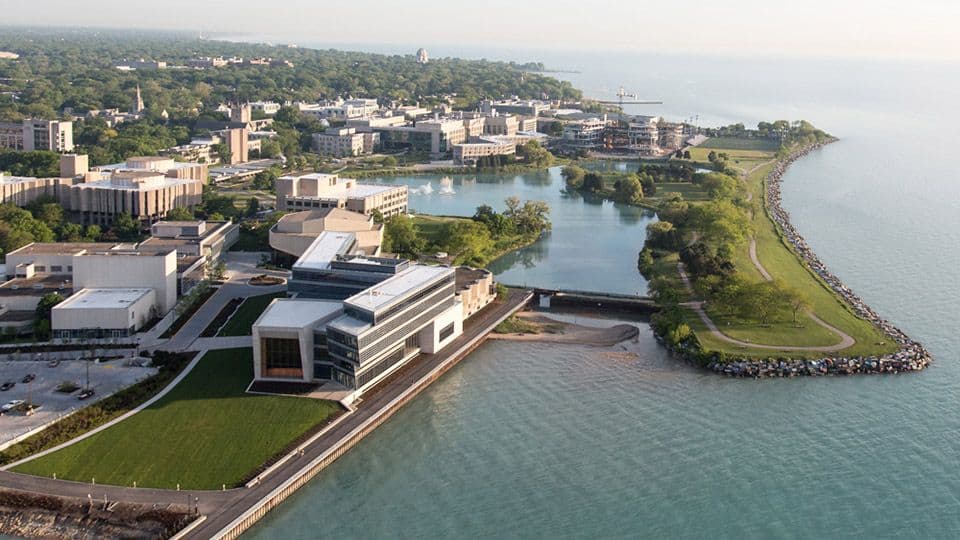
- Location: Northwestern University, United States
- Field of Study: School Counselling
- Language of Instruction: English
Program Structure
Semester 1 – Foundations of Counseling, Development & School Systems
• Counseling Theories and Techniques
• Child and Adolescent Development
• School Systems, Roles and Responsibilities
• Ethical and Professional Issues in Counseling
Semester 2 – Assessment, Group Counseling & Applied Methods
• Educational and Psychological Assessment
• Group Counseling and Facilitation
• Multicultural Counseling in Schools
• Skills Lab / Applied Practice I
Semester 3 – Crisis Support, Intervention Planning & Clinical Experience
• Crisis Intervention and Student Safety
• Academic and Career Development Strategies
• Counseling Program Design and Evaluation
• Practicum / Applied Practice II
Semester 4 – Internship, Professional Integration & Capstone
• School Counseling Internship
• Collaboration with Families and Educators
• Counseling Leadership and Advocacy
• Counseling Capstone Project
Career Opportunities
Graduates of this program are prepared for counseling and student-support roles across K–12 educational environments where emotional, academic, and social guidance is essential. Many professionals work in public schools, private schools, youth support agencies, and community education centers, providing counseling services, assessment support, crisis response, and developmental guidance. Responsibilities may include meeting with students individually, facilitating group sessions, designing intervention plans, consulting with teachers, addressing behavioral concerns, and helping students navigate academic decisions or personal challenges. With strong training in counseling methods and school-based practice, graduates are also suited for roles in family support programs, educational outreach initiatives, and youth wellness organizations. The program further supports pathways toward state licensure or advanced graduate study in counseling or psychology.
Why Choose This Program
This program is ideal for students who want to become compassionate, skilled professionals dedicated to supporting young people’s well-being and academic success. Its curriculum emphasizes developmental insight, evidence-based intervention, and school-centered practice, offering a clear progression from foundational counseling concepts to advanced applied experience. Over two years, students benefit from supervised internships, hands-on skill development, faculty mentorship, and opportunities to work directly with students in real school settings. The program’s blend of theory, practice, and professional preparation equips learners with the confidence and competence needed to make a meaningful impact in educational communities. For individuals committed to guiding students through academic and personal growth, this program provides a comprehensive and future-focused training pathway.
Contact Information
For further information, please contact the admissions office at:
Phone: +1 312 555 2040
Email: admissions@northwestern.edu
Address: University of Northwestern, 633 Clark Street, Evanston, IL 60208, United States
