Counseling Psychology
The Master of Education in Counseling Psychology provides an in depth program for students aiming to develop advanced skills in psychological assessment, counseling techniques, and mental health support. The curriculum integrates theory, research, and applied practice to prepare students for professional roles in counseling and educational settings. Through this program, students enhance their therapeutic skills, psychological assessment, counseling strategies, and client centered practice, equipping them to provide effective guidance and mental health support across diverse populations.
This two year, full time and on campus program immerses students in a rigorous academic and clinical environment where they work closely with experienced faculty, practicing counselors, and mental health professionals. Coursework, supervised practicum, and research projects enable learners to refine interpersonal communication, evidence based counseling, developmental psychology, and ethical practice. Graduates gain the expertise to support individual, group, and community interventions, promote well being, and apply psychological principles to enhance learning and personal development in educational and clinical contexts.
Key Facts
Key Facts
- Program Title: Counseling Psychology
- Degree Type: Master of Education
- Duration: 2 years
- Mode of Study: Full-time, On Campus
- Application Deadline: 05 January 2026
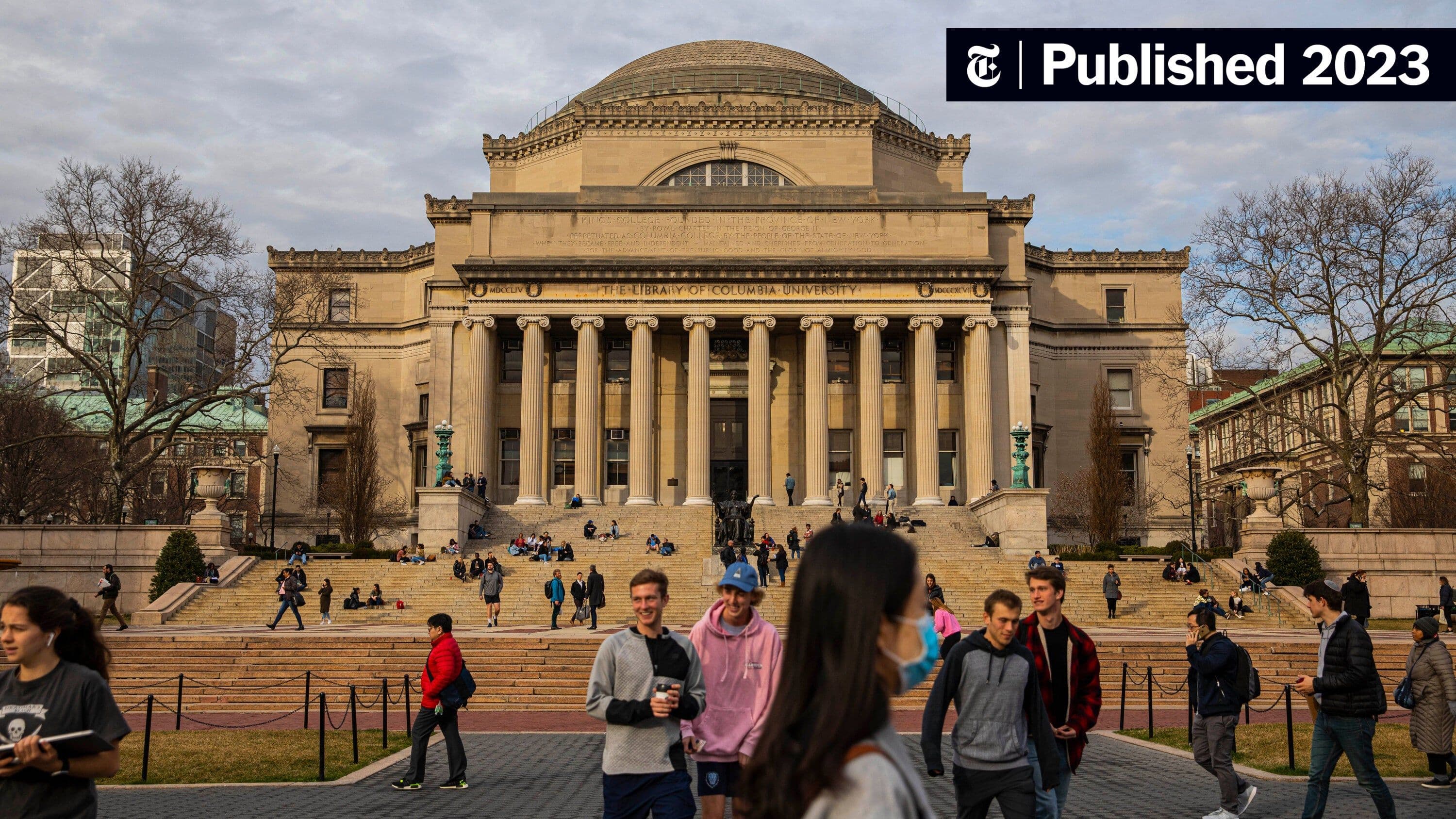
- Location: Columbia University, United States
- Field of Study: Counselling Psychology
- Language of Instruction: English
Program Structure
Semester 1 – Foundations in Counseling Psychology
• Introduction to Counseling Theory
• Human Development and Behavioral Studies
• Psychological Assessment and Testing
• Research Methods in Counseling
Semester 2 – Applied Counseling Techniques and Interventions
• Individual and Group Counseling Methods
• Career and Educational Guidance
• Multicultural Counseling and Diversity
• Practicum I: Supervised Counseling Experience
Semester 3 – Advanced Practice and Specialized Interventions
• Psychopathology and Clinical Approaches
• Family and Child Counseling
• Crisis Intervention and Mental Health Support
• Practicum II: Applied Counseling Project
Semester 4 – Research, Ethics, and Professional Practice
• Counseling Ethics and Professional Standards
• Program Evaluation and Outcome Assessment
• Capstone Research Project
• Leadership and Supervision in Counseling
Career Opportunities
Graduates of this program are prepared for professional roles in schools, counseling centers, mental health clinics, and community organizations. Career paths include school counselor, mental health counselor, educational psychologist, career advisor, and therapy practitioner. Graduates are equipped to provide individual and group counseling, design intervention programs, conduct psychological assessments, and promote emotional well being. The program also prepares learners for leadership positions, program development, and further research in counseling psychology, enabling them to contribute meaningfully to educational and mental health initiatives.
Why Choose This Program
Students choose this program because it combines advanced counseling techniques, psychological assessment expertise, applied practice, and research informed methodology within a structured two year framework. The curriculum emphasizes hands on experience through practicum, supervised counseling, and applied projects, allowing learners to develop practical skills for supporting diverse clients. Graduates gain the confidence, knowledge, and professional abilities necessary to provide effective counseling, implement evidence based interventions, and assume leadership roles in educational and clinical settings, advancing both their careers and the well being of the communities they serve.
Contact Information
For further information, please contact the admissions office at:
Phone: +1 212 854 1754
Email: admissions@columbia.edu
Address: University of Columbia, Admissions Office, New York, NY, United States
