.png&w=640&q=75)
Creative Industries and Cultural Policy
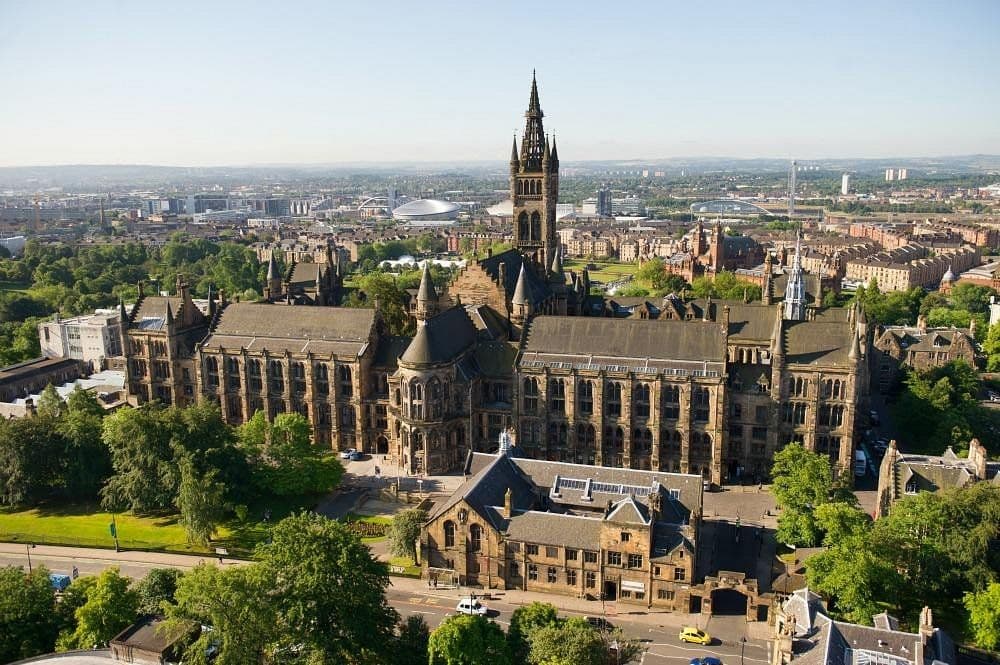
The Creative Industries and Cultural Policy MSc at the University of Glasgow offers a comprehensive exploration of the intersection between creative industries and public policy. This one-year program provides students with the skills to analyze and manage the cultural and creative sectors, with a focus on policy-making, economics, and the role of culture in society. Students will explore topics such as media policy, cultural economics, and the impact of digital technologies on creative industries.
Graduates will gain the knowledge and expertise to contribute to the development of cultural policies and strategies that support the growth of the creative sector. This program prepares students for roles in public sector agencies, cultural organizations, media companies, and government departments, where they can drive the development and implementation of effective cultural policies and strategies.
Key Facts
Key Facts
- Program Title: Creative Industries and Cultural Policy
- Degree Type: Master of Science
- Duration: 1 year
- Mode of Study: Full-time, On Campus
- Application Deadline: 07 July 2026
- Location: University of Glasgow, United Kingdom
- Field of Study: Public Policy
- Language of Instruction: English
Program Structure
Semester 1 – Foundations in Creative Industries and Cultural Policy
- Introduction to Creative Industries and Cultural Policy
- Theories and Frameworks of Cultural Policy
- Economics of the Creative Industries
- Media, Culture, and Society
- Research Methods in Creative Industries and Policy
- Policy Analysis and Design in the Creative Sector
Semester 2 – Advanced Creative Industries and Policy Practices
- Cultural Entrepreneurship and Innovation
- Arts and Cultural Policy in a Global Context
- Digital Media and the Creative Economy
- Cultural Diplomacy and International Relations
- Policy Evaluation and Impact Assessment in the Creative Sector
- Elective Modules in Arts Management, Digital Media, and Cultural Advocacy
Career Opportunities
Graduates of the Creative Industries and Cultural Policy program are well-prepared for leadership roles in cultural policy-making, arts management, and creative sector consultancy. Career opportunities include roles such as Cultural Policy Analyst, Arts Manager, Creative Industries Consultant, Public Relations Specialist, and Cultural Event Coordinator. Graduates can work in government agencies, cultural institutions, non-governmental organizations (NGOs), media companies, and international cultural organizations, shaping policies that promote creativity, cultural exchange, and economic growth in the creative sector.
Why Choose This Program
The Creative Industries and Cultural Policy program at the University of Glasgow offers a dynamic and interdisciplinary approach to understanding the relationship between culture, creativity, and public policy. Students will develop the skills necessary to analyze and design policies that foster innovation and sustainability in the creative industries. With a strong focus on cultural economics, policy advocacy, and global trends, the program prepares students to contribute to cultural policymaking at the local, national, and international levels. The university’s access to creative industry networks, arts organizations, and policy think tanks ensures that graduates are well-equipped to drive change and influence cultural policy in a rapidly evolving world.
Contact Information
For further information, please contact the admissions office at:
Phone: +44 (0)141 330 2000
Email: admissions@glasgow.ac.uk
Address: University of Glasgow, University Avenue, Glasgow G12 8QQ, United Kingdom
