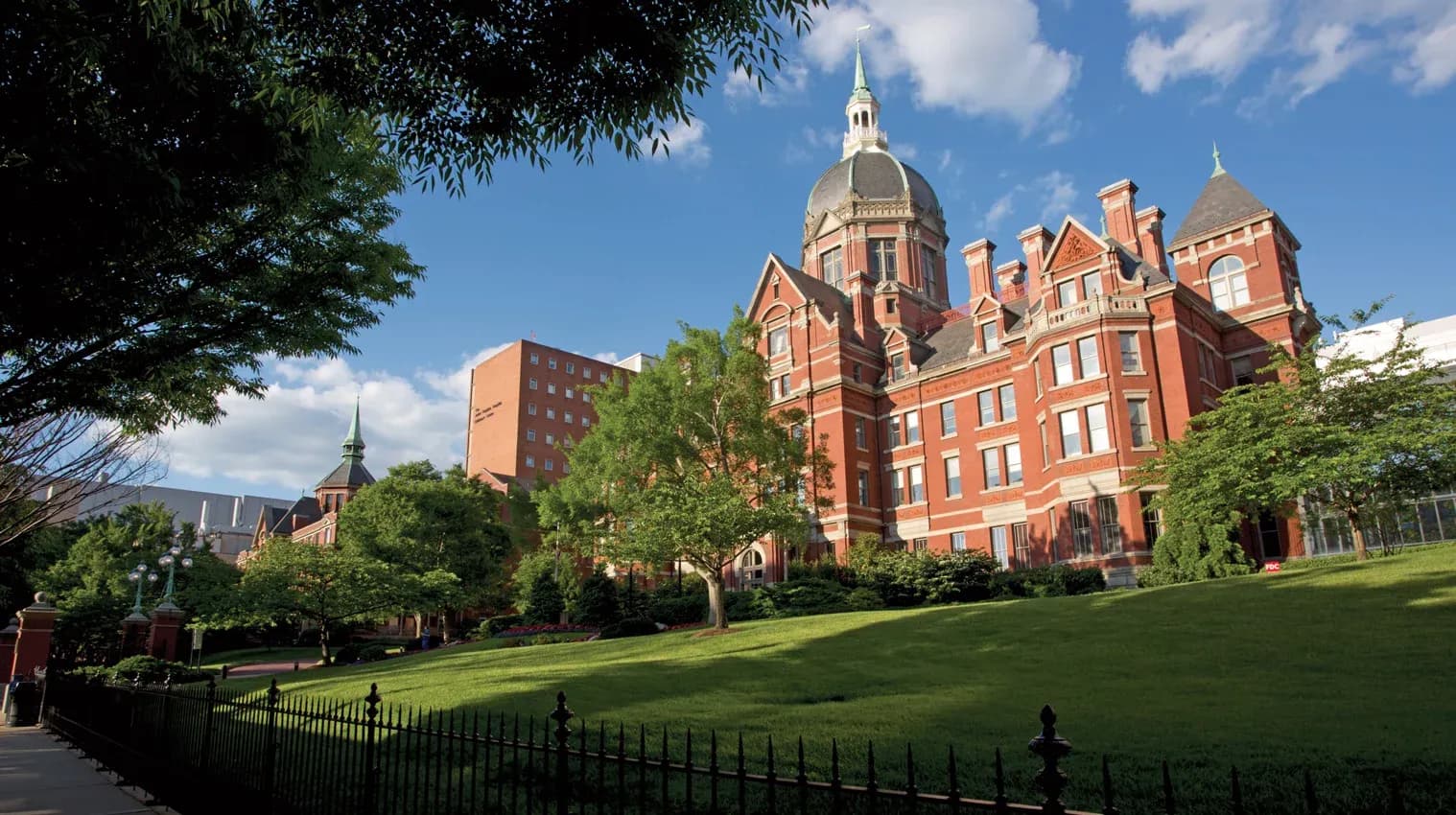

Cultural Heritage Management
The Cultural Heritage Management program is designed for students who wish to engage with the preservation, interpretation, and sustainable stewardship of cultural heritage at local, national, and international levels. Drawing from fields such as archaeology, public history, museum studies, and cultural policy, the program offers a broad, interdisciplinary understanding of how cultural assets are documented, protected, and managed in both physical and digital environments. Through coursework that explores legal frameworks, conservation techniques, and ethical dimensions of heritage, students learn to address the complexities of cultural preservation in a globalized world.
The program combines academic study with practical engagement, offering students the opportunity to participate in case studies, virtual fieldwork, and project-based assignments that simulate real-world challenges. Instruction is provided by experts in heritage law, digital preservation, and international cultural policy, enabling learners to develop professional competencies in site management, stakeholder collaboration, and policy implementation. The online format allows for flexible learning while maintaining rigorous academic standards and offering interactive experiences that build essential project management and communication skills within heritage-focused contexts.
Key Facts
Key Facts
- Program Title: Cultural Heritage Management
- Degree Type: Master of Arts
- Duration: 16 months
- Mode of Study: Full-time, Online
- Application Deadline: 20 February 2026
- Location: Johns Hopkins University, United States
- Field of Study: Area & Cultural Studies
- Language of Instruction: English
Program Structure
Semester 1 – Foundations of Heritage and Preservation Policy
• Introduction to Cultural Heritage Management
• Legal and Ethical Issues in Cultural Heritage
• Heritage Documentation and Conservation Methods
• Cultural Policy and International Conventions
Semester 2 – Applied Strategies and Global Heritage Practices
• Site Management and Community Engagement
• Digital Heritage and Archival Technologies
• Risk Management in Heritage Protection
• Capstone Project in Cultural Heritage Practice
Career Opportunities
Graduates of this program pursue careers in museums, government agencies, nonprofit cultural organizations, and international heritage bodies, where they contribute to the planning, preservation, and interpretation of cultural sites and collections. Many work as cultural heritage officers, site managers, policy advisors, archivists, or consultants, playing key roles in conservation planning, risk assessment, and public education. Others engage in international cooperation efforts, working with NGOs or UNESCO-affiliated initiatives. With training in both policy and practice, graduates are well positioned to lead heritage-related projects and support sustainable cultural development efforts.
Why Choose This Program
This program offers a unique combination of interdisciplinary coursework, flexible online delivery, and professionally oriented learning, making it ideal for students seeking to make a meaningful impact in the field of cultural heritage. Learners gain a comprehensive understanding of how heritage is shaped by law, politics, and society, while also acquiring the tools to manage preservation projects in diverse settings. The curriculum encourages critical thinking, cross-cultural sensitivity, and strategic planning, empowering graduates to respond to complex heritage challenges with informed, ethical, and sustainable solutions. Through its international scope, collaborative assignments, and applied capstone, the program equips students with the insight and skills to thrive in roles that protect and celebrate cultural diversity in an ever-changing world.
Contact Information
For further information, please contact the admissions office at:
Phone: +1 410 516 8000
Email: admissions@jhu.edu
Address: Johns Hopkins University, 3400 N. Charles Street, Baltimore, MD 21218, USA
