Developmental Biology (Hons)
The Bachelor of Science (BSc) in Developmental Biology (Hons) at the University of Manchester is a three-year, full-time program designed to provide students with a thorough understanding of the biological processes that govern the development of organisms. The program covers key topics such as cell differentiation, gene expression, developmental genetics, and the molecular mechanisms of embryogenesis. Students will explore how cells and tissues interact during development and how these processes are regulated at the genetic, cellular, and molecular levels.
Students will gain practical laboratory experience, developing skills in experimental techniques such as microscopy, PCR, and gene editing. Graduates of this program will be well-prepared for careers in academic research, biotechnology, pharmaceuticals, or medical research, where they can contribute to advancements in developmental biology, regenerative medicine, and understanding congenital diseases.
Key Facts
Key Facts
- Program Title: Bachelor of Science (BSc) in Developmental Biology (Hons)
- Degree Type: Bachelor of Science (BSc)
- Duration: 3 Years
- Mode of Study: Full-time, On Campus
- Application Deadline: 30th June 2026
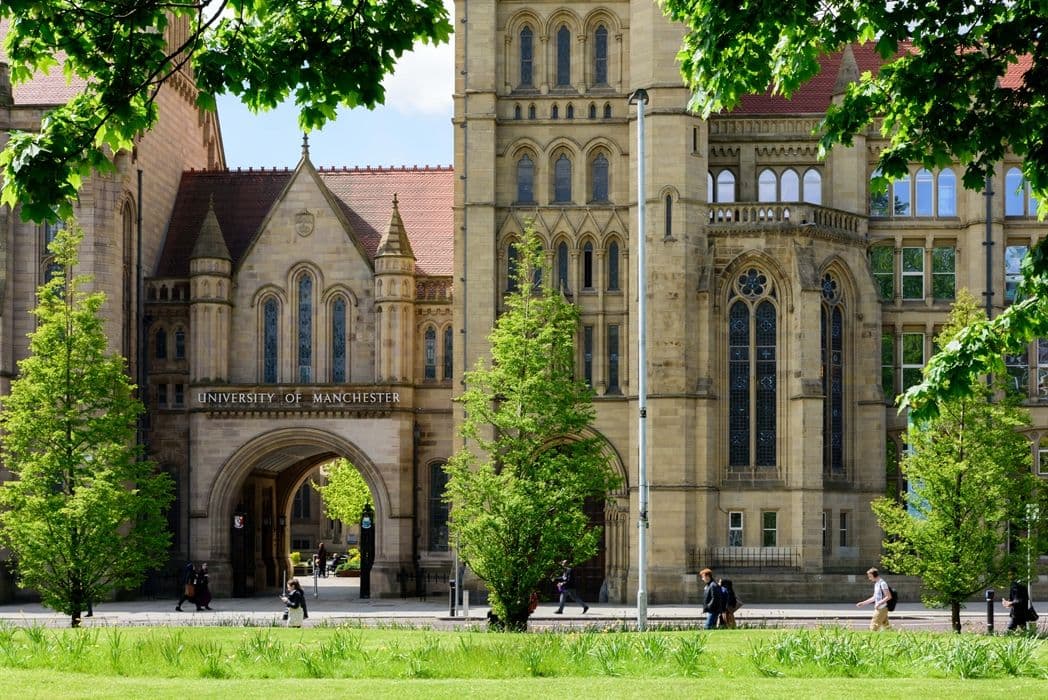
- Location: University of Manchester, United Kingdom
- Field of Study: Biology
- Language of Instruction: English
Program Structure
Year 1 – Foundations of Developmental Biology
- Introduction to Biology and Development
- Cell Biology and Genetics
- Molecular and Cellular Biology Techniques
- Research Methods in Developmental Biology
Year 2 – Intermediate Topics in Developmental Biology
- Embryology and Organogenesis
- Stem Cells and Regenerative Medicine
- Developmental Genetics
- Experimental Techniques in Developmental Biology
Year 3 – Advanced Developmental Biology and Research
- Evolutionary Developmental Biology
- Developmental Disorders and Disease Models
- Advanced Techniques in Developmental Biology Research
- Final Research Project in Developmental Biology
Career Opportunities
Graduates of the Developmental Biology (Hons) program will be prepared for careers in academic research and biotechnology. They may pursue roles as developmental biologists, research scientists, or laboratory managers, working in areas like stem cell research, regenerative medicine, and genetic engineering. Graduates will also find opportunities in pharmaceutical companies, where they can contribute to drug development and genetic research. Further study in master’s or PhD programs is another common path for career advancement.
Why Choose This Program
This program provides students with a comprehensive understanding of developmental biology, from molecular mechanisms to organ formation. With a strong focus on research skills and hands-on laboratory experience, students will develop the expertise needed to tackle modern challenges in biology and medicine. The curriculum is designed to prepare graduates for diverse roles in both research and industry, equipping them with the practical experience and critical thinking skills needed in the evolving life sciences field.
Contact Information
For further information, please contact the admissions office at:
Phone: +44 (0)161 275 5252
Email: admissions@manchester.ac.uk
Address: University of Manchester, Oxford Road, Manchester M13 9PL, United Kingdom
