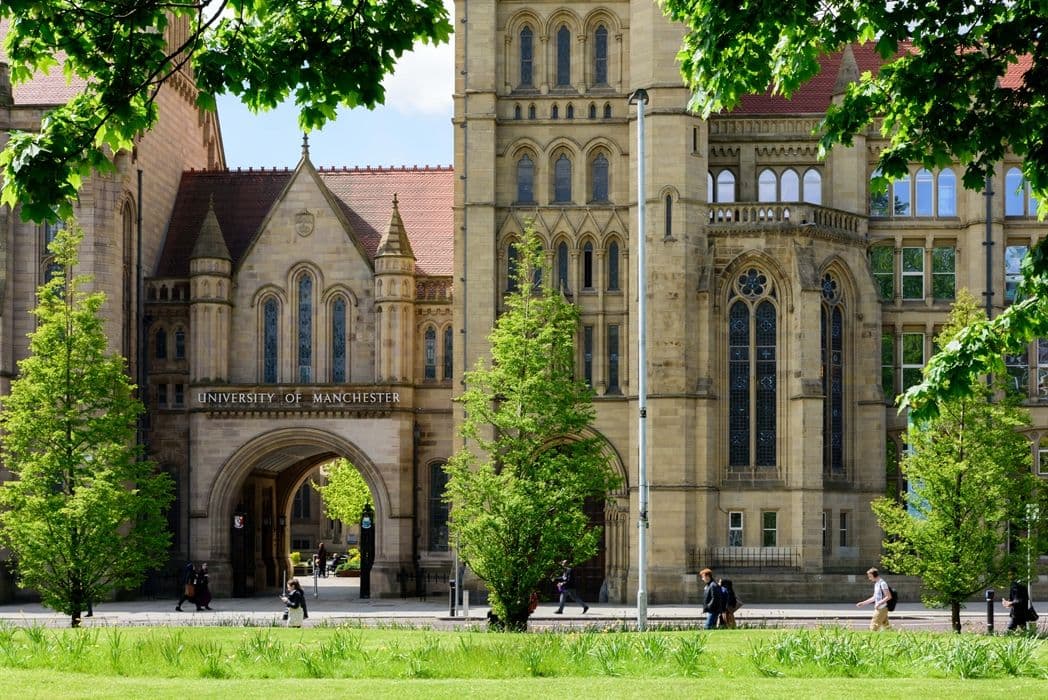

Developmental Biology with Industrial or Professional Experience (Hons)
The Bachelor of Science in Developmental Biology with Industrial or Professional Experience (Hons) is a four-year full-time program designed for students who are interested in the molecular and cellular processes that govern development in multicellular organisms. This program focuses on understanding the genetic and molecular mechanisms behind developmental processes such as cell differentiation, organ formation, and tissue regeneration. Students will study topics such as molecular genetics, developmental disorders, and regenerative biology, while also gaining practical experience through industrial or professional placements.
The course includes hands-on laboratory work, research projects, and the opportunity to apply theoretical knowledge in real-world biological settings. The industrial or professional experience component of the program enhances students' employability, providing them with valuable exposure to the biotechnology, healthcare, or research industries. Graduates will be well-equipped to pursue careers in developmental biology research, biotechnology, pharmaceuticals, or related fields, with the practical experience and academic knowledge necessary for success in these sectors.
Key Facts
Key Facts
Program Title: Developmental Biology with Industrial or Professional Experience (Hons)
Degree Type: Bachelor of Science (BSc)
Duration: 4 Years
Mode of Study: Full-time, On Campus
Application Deadline: 30th June 2026
Location: University of Manchester, United Kingdom
Field of Study: Biology
Language of Instruction: English
Program Structure
Year 1 – Foundations of Developmental Biology and Biological Sciences
- Introduction to Developmental Biology and Cell Biology
- Human Anatomy and Physiology
- Biochemistry and Molecular Biology
- Genetics and Evolution
- Research Methods in Biological Sciences
Year 2 – Intermediate Developmental Biology and Laboratory Skills
- Molecular and Cellular Mechanisms of Development
- Stem Cells and Regenerative Medicine
- Evolutionary Developmental Biology
- Practical Laboratory Skills in Developmental Biology
- Research Skills in Developmental Biology
Year 3 – Advanced Developmental Biology and Industrial or Professional Experience
- Advanced Topics in Developmental Biology (e.g., Organogenesis, Developmental Pathology)
- Developmental Genetics and Disease Models
- Industrial or Professional Placement in Developmental Biology or Related Fields
- Independent Research Project in Developmental Biology
Year 4 – Specialization and Independent Research
- Advanced Developmental Biology and Clinical Applications
- Research in Developmental Genetics and Disease Mechanisms
- Dissertation in Developmental Biology
- Professional Development and Career Planning in Biological Sciences
- Industry Placement or Collaborative Research Experience
Career Opportunities
Graduates of the Developmental Biology with Industrial or Professional Experience (Hons) program at the University of Manchester will be well-prepared for careers in biotechnology, pharmaceuticals, and academic research. Career paths include roles as developmental biologists, research scientists, stem cell biologists, and positions in biotech companies or clinical research. The industrial or professional placement experience provides graduates with a competitive edge, offering opportunities in regenerative medicine, drug discovery, and biomedical research. Graduates may also pursue further studies in medicine, biotechnology, or pharmacology.
Why Choose This Program
The Developmental Biology with Industrial or Professional Experience (Hons) program at the University of Manchester combines advanced developmental biology knowledge with practical, real-world experience through industry or professional placements. The program provides students with a comprehensive understanding of biological development, from genetic mechanisms to clinical applications in disease models. With hands-on laboratory experience and the opportunity for professional placement, students are well-prepared for careers in biomedical research, biotech, or academic settings, making this program ideal for those seeking to make a meaningful impact in the life sciences.
Contact Information
For further information, please contact the admissions office at:
Phone: +44 (0)161 275 5252
Email: admissions@manchester.ac.uk
Address: University of Manchester, Oxford Road, Manchester M13 9PL, United Kingdom
