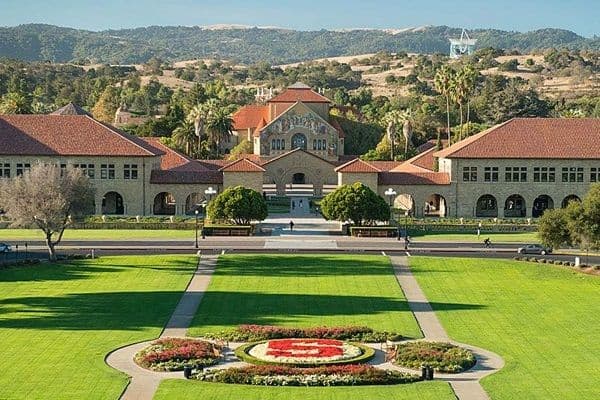

Earth Systems Program
The Master of Science in Earth Sciences within the Earth Systems Program is designed to provide students with the skills to analyze and understand complex Earth processes. The program integrates geology, geophysics, climatology, and environmental science, enabling students to explore the interactions between the atmosphere, hydrosphere, lithosphere, and biosphere. Students gain hands-on experience in field research, laboratory analysis, and computational modeling, allowing them to investigate Earth system dynamics and contribute to sustainable environmental solutions.
Throughout the program, students engage in interdisciplinary projects, data analysis, and applied research that emphasize critical thinking, problem-solving, and scientific communication. The curriculum covers topics such as climate change, natural hazards, resource management, and environmental monitoring, preparing graduates to address global challenges related to Earth systems. By the end of the program, students possess the technical expertise, analytical skills, and professional insight necessary to contribute meaningfully to research, policy, and industry initiatives in Earth and environmental sciences.
Key Facts
Key Facts
- Program Title: Earth Systems Program
- Degree Type: Master of Science
- Duration: 2 years
- Mode of Study: Full-time, On Campus
- Application Deadline: 05 December 2025
- Location: Stanford University, United States
- Field of Study: Earth Sciences
- Language of Instruction: English
Program Structure
Semester 1 – Foundations of Earth Systems
- Introduction to Earth System Science
- Geology and Geophysical Principles
- Environmental Science and Sustainability
- Quantitative Methods in Earth Sciences
Semester 2 – Advanced Earth System Analysis
- Climate Science and Atmospheric Processes
- Hydrology and Water Resources
- Remote Sensing and GIS Applications
- Environmental Data Analysis and Modeling
Semester 3 – Applied Research & Fieldwork
- Earth Systems Monitoring and Assessment
- Natural Hazards and Risk Analysis
- Research Project / Internship
- Elective Modules in Geochemistry, Geophysics, or Environmental Policy
Semester 4 – Master’s Thesis & Capstone Project
- Independent Research / Thesis
- Advanced Data Interpretation and Modeling
- Presentation of Findings & Professional Portfolio
- Capstone Project in Earth Systems
Career Opportunities
Graduates of this program are prepared for careers in environmental consulting, natural resource management, geoscience research, climate policy, and governmental or international organizations. They can work as environmental analysts, geoscientists, policy advisors, or research specialists. The program develops strong analytical, technical, and communication skills, enabling graduates to interpret complex Earth system data, design research initiatives, and contribute to sustainable environmental solutions. Alumni are well-positioned to influence decision-making in areas such as climate adaptation, disaster risk reduction, and natural resource management.
Why Choose This Program
This program offers a comprehensive interdisciplinary approach to Earth sciences, combining theoretical knowledge with applied research and fieldwork. Students gain expertise in analyzing Earth systems, interpreting environmental data, and designing sustainable solutions for global challenges. The curriculum emphasizes critical thinking, problem-solving, and professional collaboration, preparing graduates to excel in research, policy, and industry roles. By choosing this program, students acquire the skills, knowledge, and practical experience necessary to make meaningful contributions to the understanding, management, and preservation of Earth's dynamic systems.
Contact Information
For further information, please contact the admissions office at:
Phone: +1 650 000 0000
Email: admissions@standord.edu
Address: University of Standord, 450 Serra Mall, Stanford, CA 94305, United States
