Economic Development
The 21-month Master of Arts in Economic Development offers an in-depth exploration of global economic systems, development strategies, and policy analysis. Students study macroeconomic and microeconomic theories, economic modeling, and policy evaluation while engaging in applied research projects that address real-world development challenges. The program emphasizes analytical thinking, quantitative skills, and evidence-based decision-making, preparing graduates to contribute to sustainable economic growth and social advancement in diverse contexts. Participants gain insights into the political, social, and institutional factors that influence economic development, equipping them to design and implement effective strategies that address inequality and promote prosperity.
In addition to theoretical study, students actively apply their knowledge in practical settings. They conduct policy analyses, design development programs, and evaluate economic interventions while collaborating with faculty and development organizations. The combination of rigorous coursework and applied practice ensures graduates leave with the skills and confidence to influence economic policy, advise governments and international agencies, and implement projects that foster equitable growth. Access to experienced mentors and professional networks further strengthens students’ ability to contribute meaningfully to economic development initiatives worldwide.
Key Facts
Key Facts
- Program Title: Economic Development
- Degree Type: Master of Arts
- Duration: 21 months
- Mode of Study: Full-time, On Campus
- Application Deadline: 15 February 2026
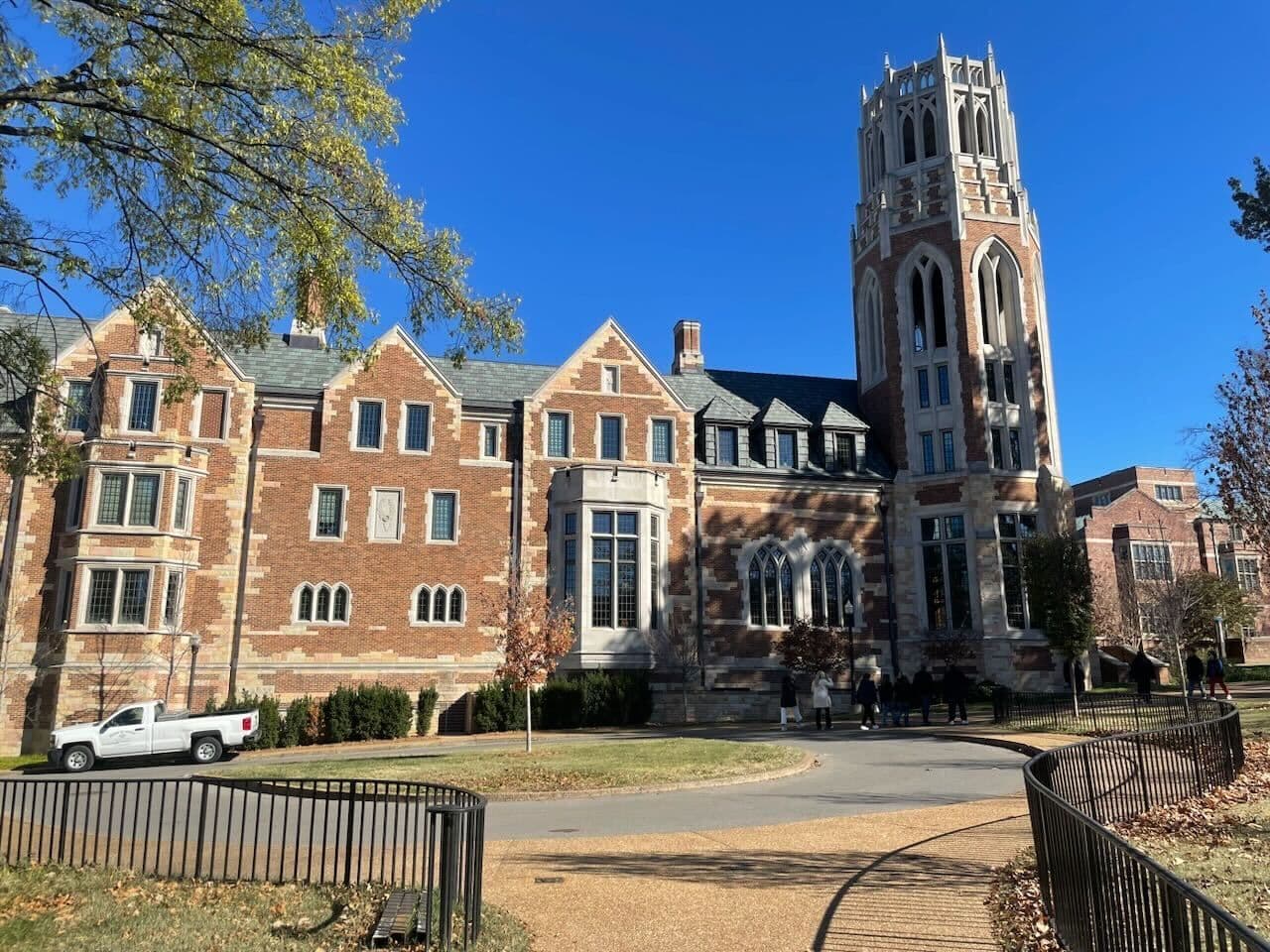
- Location: Vanderbilt University, United States
- Field of Study: Economics
- Language of Instruction: English
Program Structure
Semester 1 – Foundations in Economic Development
• Microeconomic and Macroeconomic Analysis
• Quantitative Methods and Econometrics
• Development Theories and Policy Frameworks
• Research Methods in Economics
Semester 2 – Applied Development Strategies
• International Trade and Finance
• Public Policy and Governance
• Project Design and Evaluation
• Elective Modules in Development Economics
Semester 3 – Advanced Analysis and Fieldwork
• Economic Modeling and Forecasting
• Poverty, Inequality, and Social Policy
• Fieldwork / Applied Research in Development
• Elective Modules in Regional or Sectoral Development
Semester 4 – Capstone Project & Professional Integration
• Independent Research / Thesis
• Policy Analysis and Program Evaluation
• Data Analysis for Development Projects
• Presentation & Professional Portfolio
Career Opportunities
Graduates of this program are prepared for careers as economic policy analysts, development consultants, project managers, researchers, and advisors for governmental and international organizations. They can work in international development agencies, non-governmental organizations, research institutes, financial institutions, and government bodies focused on economic growth and social development. The program emphasizes applied research and practical project experience, enabling graduates to evaluate policies, design programs, and implement development strategies effectively. Students acquire the skills to analyze economic data, assess social impacts, and provide evidence-based recommendations for sustainable development initiatives. Graduates leave ready to influence economic policy, manage development programs, and contribute to improving socioeconomic outcomes in various regions.
Why Choose This Program
This program is ideal for individuals seeking advanced expertise in economic development combined with practical, research-based experience. The 21-month structure allows students to engage deeply with theoretical concepts, quantitative methods, and applied development practices. Participants benefit from mentorship by experienced faculty, opportunities for fieldwork, and collaboration with development organizations. Graduates are prepared to design and evaluate economic programs, analyze complex policy challenges, and implement initiatives that foster equitable growth. By combining rigorous academic study with applied practice, students gain the knowledge, analytical skills, and professional confidence necessary to pursue impactful careers in economic development, policy advisory, and research roles globally.
Contact Information
For further information, please contact the admissions office at:
Phone: (615) 322-2561
Email: admissions@vanderbilt.edu
Address: University of Vanderbilt, Office of Undergraduate Admissions, 2305 West End Avenue, Nashville, TN 37203‑1727, United States
