Bachelor of Science · Full-time · On Campus
Istanbul Technical University
Turkey
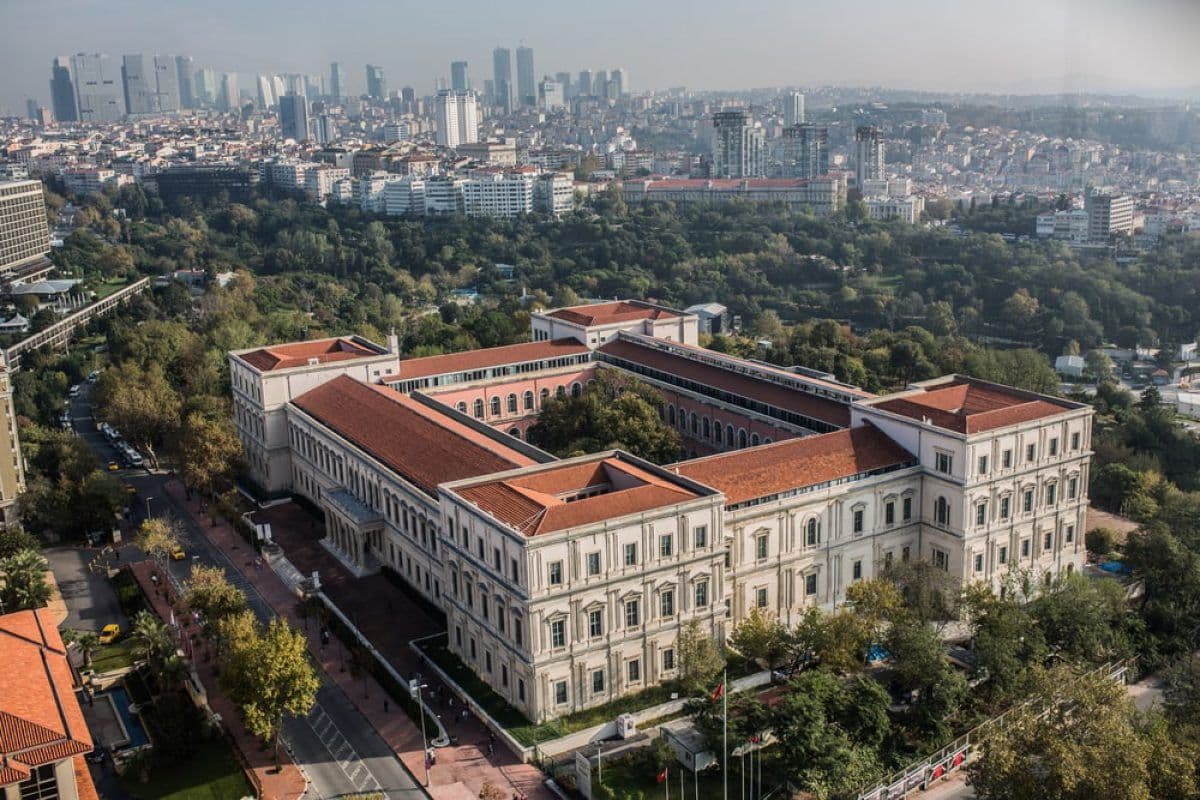
The Bachelor of Science in Economics (English) at İstanbul Technical University is a dynamic undergraduate program that teaches students how economies work — from individual choices and markets to national economies and global trade. In this program, you learn important topics like microeconomics, macroeconomics, econometrics, and economic modeling. You also study specialized fields such as development economics, energy economics, health economics, financial economics, and industrial economics. The program mixes theory with practice: you learn economic theory, use data and models, analyse real economic problems, and think about social and policy impacts.
Because the program is taught fully in English, students from different backgrounds come together and build a global mind-set. You work with experienced instructors who bring their research and consultancy experience into courses. The program also connects economics with other fields at ITU — giving you opportunities to understand economy from technical, social and environmental perspectives. If you like thinking about how societies, markets, and policies work — and want to build strong analytical and problem-solving skills — this program is a great choice.
Semester 1 – Foundations of Economics & Quantitative Tools
Semester 2 – Core Micro & Macro Economics
Semester 3 – Econometrics & Applied Economics
Semester 4 – Economic Systems & Policies
Semester 5 – Sectoral Economics & Specialization
Semester 6 – Advanced Topics & Research Methods
Semester 7 – Applied Economics & Projects
Semester 8 – Graduation Project & Professional Preparation
Graduates of this program can work as economist, policy analyst, financial analyst, economic consultant, data analyst, research assistant, or public policy advisor. They can join banks, government agencies, research institutes, NGOs, international organisations, think tanks, or private companies. Because the program is taught in English and gives strong training in data analysis, econometrics, and economic theory, graduates may also work abroad or in global firms. The ability to understand both technical and social aspects of economy makes this program ideal for students interested in shaping economic policies or working in international business or development projects.
Choosing the Economics program at ITU gives you the chance to study economic theory together with practical, real-world examples. You learn how markets work, how governments make decisions, and how data helps explain economic events. The program offers modern courses, experienced instructors, and an international learning environment. You build skills in analysis, research, communication and teamwork. These skills help you feel ready for many different career paths.
The English-taught curriculum prepares you for global opportunities and advanced studies abroad. You can focus on areas such as finance, development, energy, health or international economics. The program supports students who want to work in banks, companies, public institutions or international organisations. You also learn how to use economic tools to understand social problems and find solutions. If you want a flexible, future-oriented education, this program offers a strong foundation.
Istanbul Technical University – Department of Economics
Macka / ITU central campus, Istanbul, Turkey
Tel: +90 212 (department contact number)
Email: economics@itu.edu.tr
Faculty / Student Affairs Office – Economics Department
Istanbul, Turkey
Tel: +90 212 (student affairs contact)
Email: studentaffairs@econ.itu.edu.tr
International Office – İstanbul Technical University
Istanbul, Turkey
Tel: +90 212 (international office contact)
Email: international@itu.edu.tr
Bachelor of Science · Full-time · On Campus
Istanbul Technical University
Turkey
Bachelor of Science · Full-time · On Campus
Istanbul Technical University
Turkey
Bachelor of Science · Full-time · On Campus
Istanbul Technical University
Turkey
Bachelor of Science · Full-time · On Campus
Istanbul Technical University
Turkey
