Pre-Master · Full-time · On Campus

University of Amsterdam (UvA)
Amsterdam, Netherlands
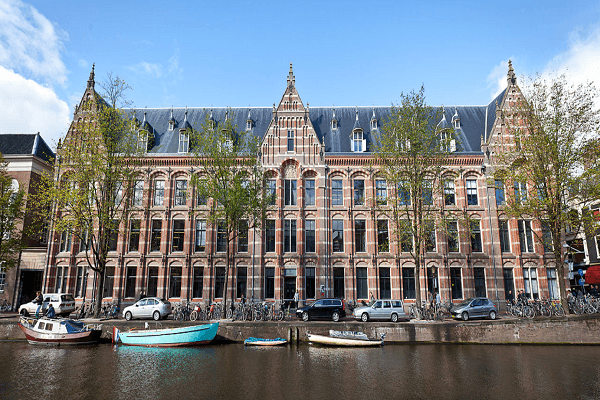
The Master of Science in Economics - Behavioural Economics and Game Theory is a one-year, full-time on-campus program that explores the psychological and strategic factors influencing economic decision-making. The program covers key areas such as behavioural economics, game theory, experimental economics, and strategic interactions, providing students with the tools to analyze and predict human behavior in economic contexts.
Graduates will be well-prepared for careers in behavioural economics, policy analysis, and strategic consulting. The University of Amsterdam offers students access to cutting-edge research, expert faculty, and a strong network of professionals, ensuring they gain the insights needed to thrive in the rapidly evolving fields of economics and decision theory.
Semester 1 – Foundations in Behavioral Economics and Game Theory
Semester 2 – Advanced Behavioral Economics
Graduates of the Economics - Behavioural Economics and Game Theory Master’s program can work in policy analysis, economic research, consulting, and finance. With expertise in behavioral economics and game theory, they can become economic consultants, policy advisors, financial strategists, and behavioral economists. The growing interest in how human behavior influences economic decision-making creates strong career prospects in government, research, and consulting firms.
The Economics - Behavioural Economics and Game Theory program combines economic theory with psychology, preparing students to analyze decision-making behavior and strategic interactions. The program’s focus on practical applications in economics ensures that graduates are well-equipped to tackle complex economic problems using innovative models and behavioral insights.
For further information, please contact the admissions office at:
Phone: +31 (0)20 525 1400
Email: info@uva.nl
Address: University of Amsterdam (UvA), Spui 21, 1012 WX Amsterdam, Netherlands
Pre-Master · Full-time · On Campus
University of Amsterdam (UvA)
Amsterdam, Netherlands
Master of Science · Full-time · On Campus
University of Amsterdam (UvA)
Amsterdam, Netherlands
Master of Science · Full-time · On Campus
University of Amsterdam (UvA)
Amsterdam, Netherlands
Master of Science · Full-time · On Campus
University of Amsterdam (UvA)
Amsterdam, Netherlands
