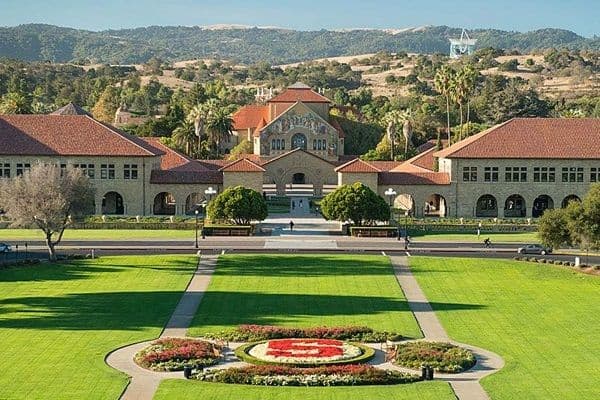

Education (Honors)
The Master of Education (Honors) at University of Stanford provides a comprehensive and research-driven approach to the study of educational theory, practice, and policy. In the first year, students develop foundational knowledge in educational psychology, learning theory, curriculum design, and research methods, cultivating critical thinking, analytical skills, research proficiency, and pedagogical understanding. Through lectures, workshops, and collaborative projects, students gain practical experience in classroom observation, curriculum assessment, and evidence-based instructional strategies, establishing a solid foundation for advanced educational practice and scholarly research.
As students progress, the curriculum emphasizes leadership in education, instructional design, policy analysis, diversity and inclusion, and applied research projects. Honors-level coursework and seminars refine students’ analytical reasoning, research methodology, instructional expertise, and problem-solving abilities. The program encourages students to design and implement original research, evaluate educational policies, and develop innovative teaching methods that address real-world educational challenges. By graduation, students are prepared for careers in educational leadership, policy analysis, curriculum development, teaching, or advanced doctoral study in education and related fields.
Key Facts
Key Facts
- Program Title: Education (Honors)
- Degree Type: Master of Education
- Duration: 4 years
- Mode of Study: Full-time, On Campus
- Application Deadline: 05 January 2026
- Location: Stanford University, United States
- Field of Study: Education
- Language of Instruction: English
Program Structure
Year 1 – Foundations in Education
• Introduction to Educational Theory and Learning Sciences
• Research Methods in Education
• Curriculum Design and Instructional Strategies
• Educational Psychology
• Writing and Critical Analysis in Education
Year 2 – Core Studies and Applied Learning
• Leadership and Organizational Management in Education
• Policy Analysis and Education Reform
• Diversity, Equity, and Inclusion in Education
• Seminar: Research Methods and Applied Projects
• Electives in Educational Technology, Assessment, or Curriculum
Year 3 – Advanced Applications
• Advanced Instructional Design and Pedagogy
• Program Evaluation and Policy Impact Analysis
• Independent Research Projects
• Applied Fieldwork in Educational Settings
• Electives in Specialized Education Topics
Year 4 – Capstone and Honors Project
• Master’s Thesis or Independent Research Project
• Advanced Seminar in Education
• Applied Research and Instructional Leadership
• Presentation and Academic Portfolio Development
• Specialized Electives in Education Policy, Leadership, or Practice
Career Opportunities
Graduates of this program are prepared for careers in educational leadership, policy analysis, curriculum development, teaching, and research in public, private, or non-profit educational settings. The curriculum develops research proficiency, analytical skills, leadership abilities, and problem-solving capabilities, enabling students to pursue roles as educational administrators, policy advisors, curriculum specialists, program evaluators, or instructional leaders. Hands-on experience through independent research, applied projects, and fieldwork ensures that graduates can design evidence-based programs, assess educational outcomes, and implement innovative solutions. Additionally, the program provides a strong foundation for doctoral study in education or related fields, equipping students to contribute to educational innovation, policy reform, and institutional leadership.
Why Choose This Program
This program is ideal for students who wish to advance their knowledge and leadership in education through a rigorous, research-focused curriculum. Its structure emphasizes critical thinking, research methodology, analytical proficiency, and applied problem-solving, providing students with both theoretical understanding and practical experience. Through seminars, independent research, fieldwork, and applied projects, learners develop the skills to assess educational systems, implement evidence-based teaching practices, and influence policy and leadership in educational institutions. Graduates leave with the expertise, confidence, and professional readiness to pursue careers in education leadership, policy, curriculum development, teaching, or advanced graduate study in education and related fields.
Contact Information
For further information, please contact the admissions office at:
Phone: +1 650 000 0000
Email: admissions@standord.edu
Address: University of Standord, 450 Serra Mall, Stanford, CA 94305, United States
