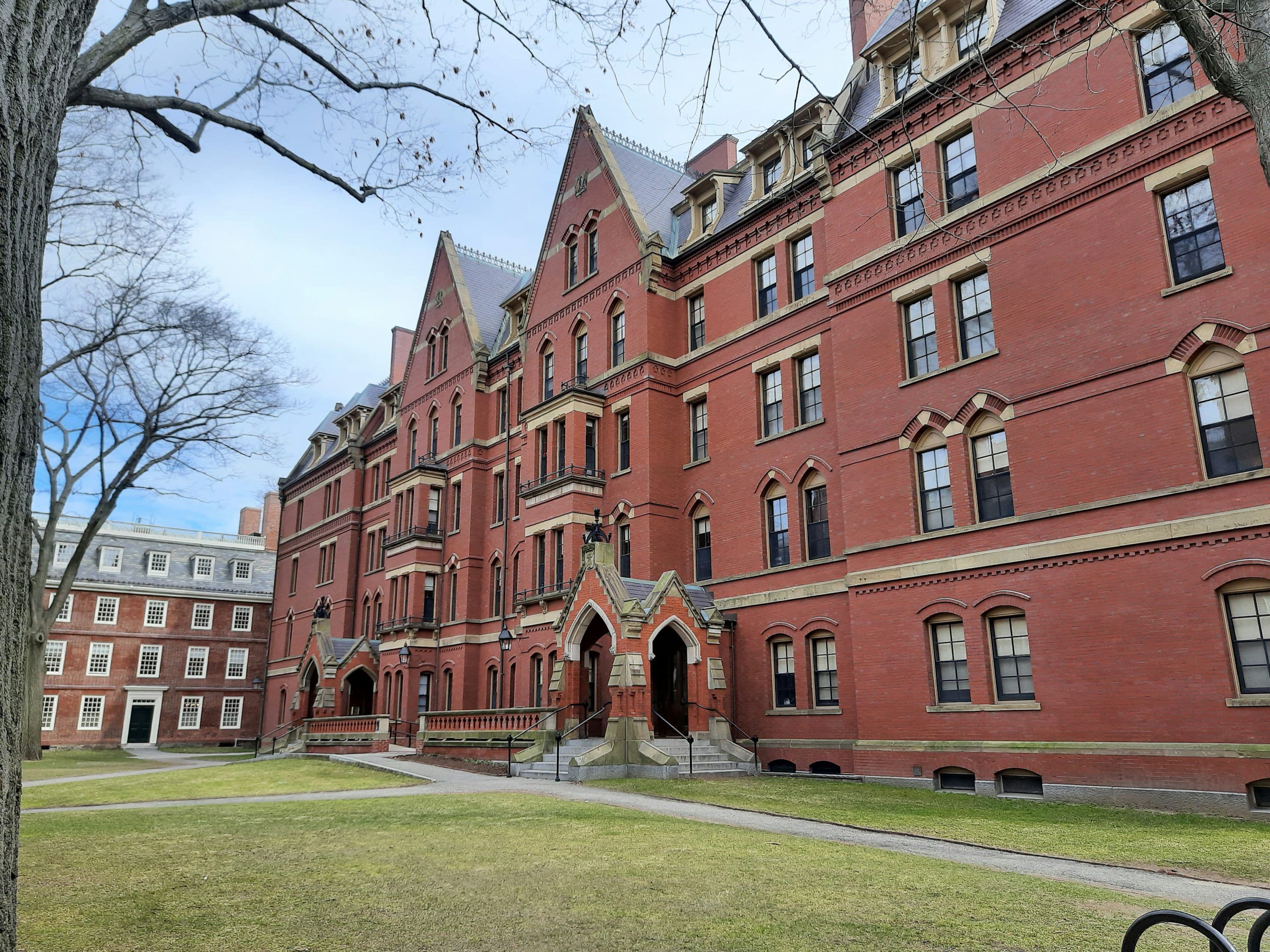

Education Policy and Analysis
The Education Policy and Analysis program provides advanced training in educational policy, research methods, and program evaluation, preparing students to analyze, develop, and implement effective educational policies. Students study topics such as policy development, assessment and evaluation, equity in education, and data-driven decision-making, developing the ability to assess educational systems and propose impactful interventions. The curriculum emphasizes analytical and applied skills, allowing students to integrate theoretical knowledge with practical projects, policy analysis exercises, and case studies. Through lectures, workshops, and independent assignments, participants gain experience in evaluating policy effectiveness, designing research studies, and presenting policy recommendations, preparing them for careers in education administration, policy analysis, and consultancy.
In addition to policy expertise, the program fosters critical thinking, research proficiency, and strategic insight, equipping students to analyze educational challenges, interpret data, and influence policy decisions. Applied projects, fieldwork, and independent research allow participants to explore real-world issues in education, design data-driven solutions, and communicate findings to stakeholders effectively. Graduates leave the program prepared for careers as education policy analysts, program evaluators, consultants, or to pursue advanced studies in education policy, administration, or leadership.
Key Facts
/h3
Key Facts
- Program Title: Education Policy and Analysis
- Degree Type: Master of Education
- Duration: 1 year
- Mode of Study: Full-time, On Campus
- Application Deadline: 05 January 2026
- Location: Harvard University, United States
- Field of Study: Education
- Language of Instruction: English
Program Structure
Semester 1 – Foundations in Education Policy & Analysis
- Introduction to Education Policy and Governance
- Research Methods and Data Analysis in Education
- Educational Equity and Social Contexts
- Policy Evaluation and Assessment Techniques
Semester 2 – Applied Policy & Capstone
- Program Evaluation and Policy Implementation
- Leadership and Decision-Making in Education
- Seminar: Case Studies in Education Policy
- Independent Project / Applied Research
Career Opportunities
Graduates of this program are prepared for careers in education policy analysis, program evaluation, consultancy, educational leadership, and research, taking on roles such as policy analysts, program evaluators, education consultants, and administrators. The program equips students with analytical, research, and problem-solving skills, enabling them to evaluate educational systems, implement effective policies, and support evidence-based improvements. Additionally, graduates are well-prepared for further academic studies, including doctoral programs in education policy, administration, or leadership, positioning them for specialist and leadership roles in government agencies, NGOs, schools, and research institutions.
Why Choose This Program
This program provides a comprehensive and applied learning experience that integrates education policy theory, analytical methods, and applied evaluation techniques, preparing students to address real-world challenges in educational systems. Through lectures, workshops, applied projects, and independent research, students develop practical skills in policy analysis, program evaluation, and strategic decision-making. The curriculum fosters critical thinking, professional insight, and research proficiency, ensuring graduates are capable of contributing effectively to policy development and educational improvement initiatives. By combining theoretical knowledge with hands-on application, the program equips students with the expertise, confidence, and professional readiness needed to excel in education policy and analysis careers.
Contact Information
For further information, please contact the admissions office at:
Phone: +1 617 495 1000
Email: admissions@harvard.edu
Address: University of Harvard, Cambridge, MA 02138, United States
