Education Policy
The 2-year Master of Public Policy in Education Policy offers an in-depth exploration of education systems, policy analysis, and governance strategies. Students study educational reform, policy evaluation, economics of education, and program implementation while engaging in applied research and case studies. The program emphasizes analytical thinking, evidence-based decision-making, and leadership in educational policy, preparing graduates to design, assess, and implement policies that improve educational outcomes. Participants gain expertise in quantitative and qualitative research methods, policy formulation, and program evaluation, equipping them to address complex challenges in education at local, national, and international levels.
In addition to coursework, students actively apply their knowledge through internships, policy projects, and research assignments. The curriculum balances rigorous academic study with practical application, ensuring graduates leave with the skills and confidence necessary to influence education systems and guide policy decisions. Faculty mentorship and access to education research resources enhance students’ ability to evaluate programs, analyze policy impacts, and develop innovative strategies that improve equity and effectiveness in education.
Key Facts
Key Facts
- Program Title: Education Policy
- Degree Type: Master of Public Policy
- Duration: 2 years
- Mode of Study: Full-time, On Campus
- Application Deadline: 03 February 2026
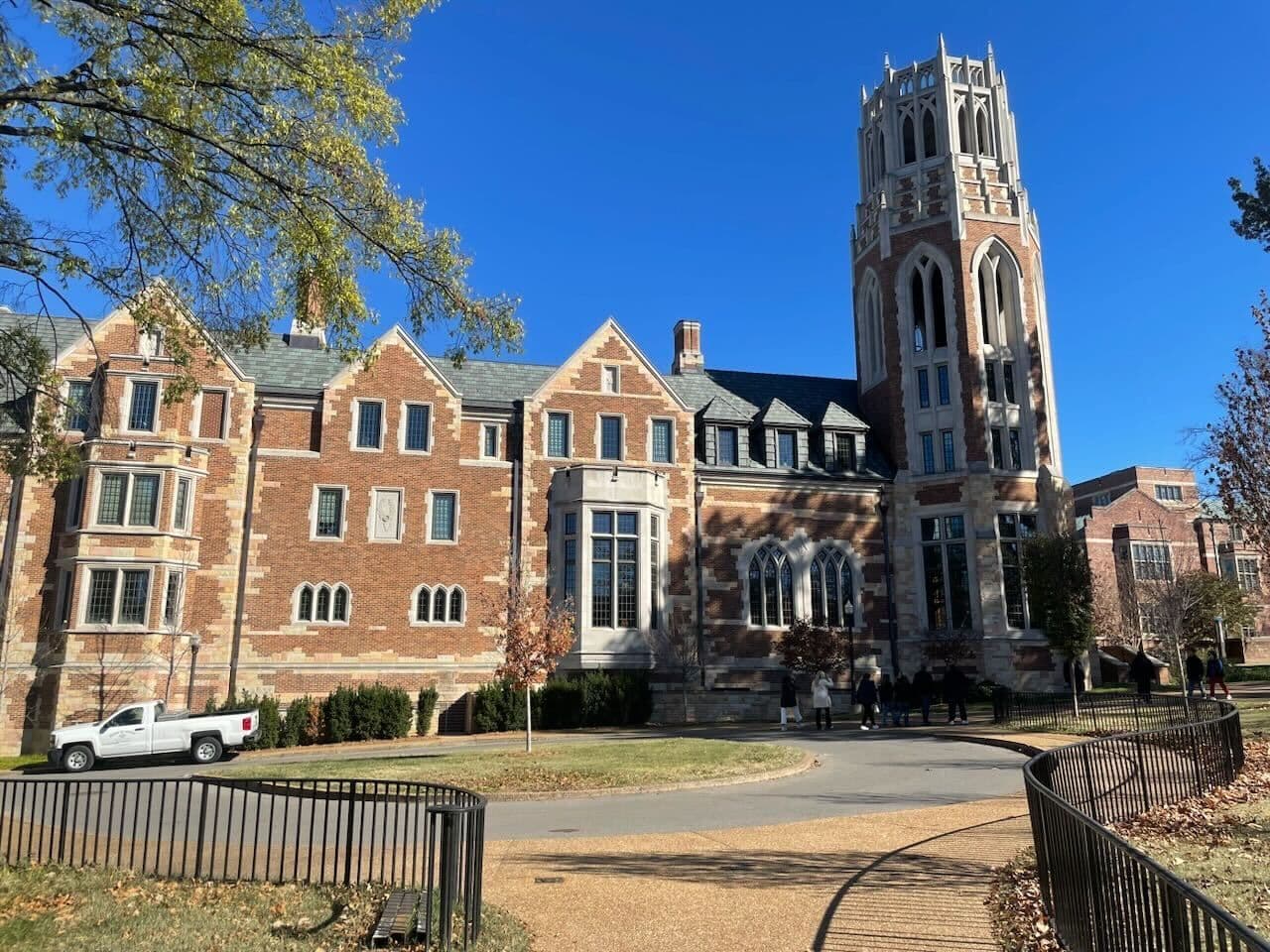
- Location: Vanderbilt University, United States
- Field of Study: Education
- Language of Instruction: English
Program Structure
Semester 1 – Foundations in Education Policy
• Introduction to Education Policy
• Quantitative Methods in Education
• Economics of Education
• Research Methods for Policy Analysis
Semester 2 – Policy Analysis and Program Evaluation
• Program Evaluation in Education
• Comparative Education Policy
• Education Law and Governance
• Stakeholder Engagement in Policy
Semester 3 – Applied Policy Research
• Policy Implementation Strategies
• Education Leadership and Management
• Data Analysis for Education Policy
• Internship / Fieldwork
Semester 4 – Capstone Project & Professional Integration
• Independent Research / Thesis
• Policy Impact Assessment
• Strategic Planning in Education
• Seminar on Emerging Issues in Education Policy
Career Opportunities
Graduates of this program are prepared for careers as education policy analysts, program evaluators, policy advisors, educational consultants, and research associates. They can work in government agencies, non-profit organizations, think tanks, educational institutions, and international organizations. The program emphasizes applied policy skills and analytical expertise, enabling graduates to design evidence-based policies, evaluate programs, and implement strategies that improve educational outcomes. Students gain proficiency in policy research, program assessment, and stakeholder engagement, preparing them to influence education systems, inform decision-making, and lead initiatives that enhance the quality and equity of education.
Why Choose This Program
This program is ideal for individuals seeking advanced expertise in education policy combined with practical research and policy experience. The 2-year structure allows students to develop skills in policy analysis, program evaluation, and strategic planning while participating in internships and applied projects. Participants benefit from mentorship by experienced faculty, access to research resources, and opportunities to engage with policymakers and stakeholders. Graduates are prepared to design impactful policies, assess educational programs, and contribute to evidence-based decision-making in education. By integrating rigorous academic study with practical application, students gain the knowledge, analytical skills, and professional confidence necessary to pursue influential careers in education policy.
Contact Information
For further information, please contact the admissions office at:
Phone: (615) 322-2561
Email: admissions@vanderbilt.edu
Address: University of Vanderbilt, Office of Undergraduate Admissions, 2305 West End Avenue, Nashville, TN 37203‑1727, United States
