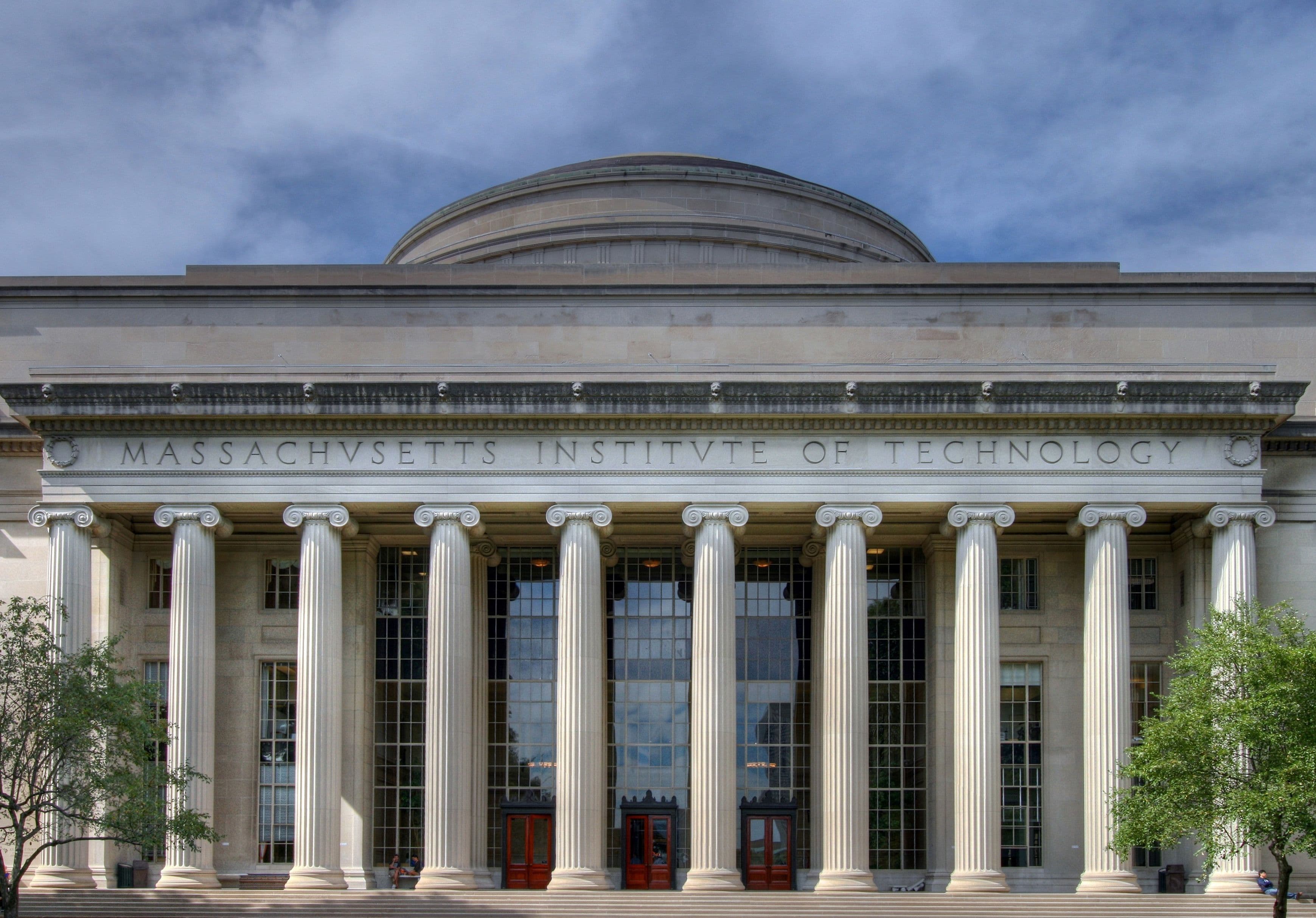

Electrical Engineering and Computer Science
The Master of Science in Electrical Engineering at Massachusetts Institute of Technology (MIT) is a one-year, full-time program designed to provide students with a deep understanding of electrical engineering principles and their applications in a wide range of fields, including telecommunications, energy systems, and embedded systems. The program focuses on signal processing, communications, electronics, and electromagnetics, preparing students to develop cutting-edge technologies that impact industries from consumer electronics to renewable energy. Students will explore both the theoretical foundations and practical aspects of electrical engineering, gaining hands-on experience through labs, research projects, and internships.
MIT’s Electrical Engineering program emphasizes innovation, interdisciplinary learning, and real-world problem-solving. Students have access to state-of-the-art research facilities and work closely with MIT’s renowned faculty to push the boundaries of knowledge and technology in electrical engineering. Graduates are well-equipped to tackle global challenges and contribute to advancements in fields such as smart grids, communication systems, and robotics, ultimately shaping the future of technology and industry.
Key Facts
Key Facts
- Program Title: Electrical Engineering and Computer Science
- Degree Type: Master of Science
- Duration: 1 year
- Mode of Study: Full-time, On Campus
- Application Deadline: 15 December 2025
- Location: Massachusetts Institute of Technology (MIT), United States
- Field of Study: Electrical Engineering
- Language of Instruction: English
Program Structure
Semester 1 – Core Electrical Engineering Concepts
· Introduction to Electrical Engineering
· Digital Signal Processing
· Semiconductor Devices and Circuits
· Electromagnetics and Wave Propagation
· Linear Systems and Controls
Semester 2 – Advanced Topics in Electrical Engineering
· Advanced Communications Systems
· Power Systems and Renewable Energy
· Integrated Circuit Design and Fabrication
· Advanced Electronics and Sensors
· Research Project in Electrical Engineering
Semester 3 – Specialization and Applied Research
· Machine Learning and Signal Processing
· Robotics and Control Systems
· Data Communication and Network Design
· Elective Courses in Specialized Areas (e.g., Optoelectronics, Quantum Computing)
· Internship or Fieldwork in Electrical Engineering
Semester 4 – Capstone Project and Thesis
· Independent Research / Thesis
· Advanced Topics in Electrical Engineering
· Final Project in Electrical Systems Design
· Industry Internship or Consulting Project
· Presentation and Academic Portfolio Development
Career Opportunities
Graduates of the Electrical Engineering Master’s program at MIT are well-prepared for leadership roles in industries such as telecommunications, energy, electronics, and robotics. With expertise in signal processing, circuit design, and systems engineering, graduates can pursue careers as electrical engineers, systems designers, research scientists, and technology consultants. The increasing demand for innovative technologies and sustainable energy solutions provides graduates with a wide range of career opportunities. MIT’s strong industry connections and global alumni network ensure that graduates have access to top-tier positions in both established companies and emerging tech startups.
Why Choose This Program
MIT’s Electrical Engineering program stands out for its cutting-edge research, interdisciplinary curriculum, and focus on solving real-world engineering problems. The program emphasizes both theoretical understanding and practical application, giving students the tools to innovate in fields such as communications, electronics, and renewable energy. Students benefit from MIT’s state-of-the-art labs, access to industry leaders, and opportunities to engage in collaborative projects with professionals from diverse fields. The program’s emphasis on research and hands-on learning ensures that graduates are well-equipped to tackle the future challenges of electrical engineering and drive the development of new technologies that impact society.
Contact Information
For further information, please contact the admissions office at:
Phone: +1 617-253-1000
Email: admissions@mit.edu
Address: University of MIT, 77 Massachusetts Avenue, Cambridge, MA 02139, USA
