Master of Business Administration · Full-time · On Campus

Coburg University of Applied Sciences
Coburg, Germany
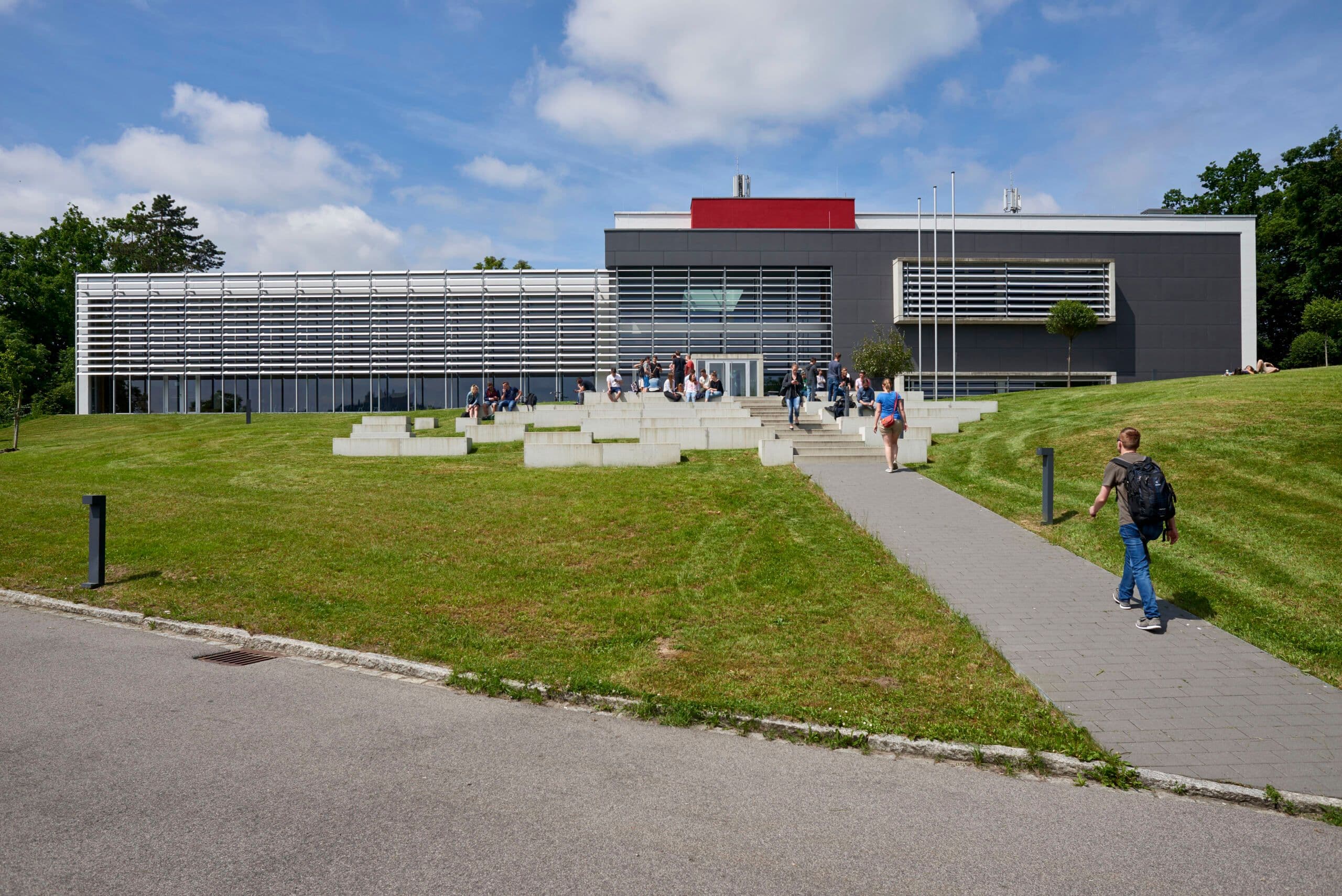
The Bachelor of Engineering in Electrical Engineering for Sustainable and Renewable Energy is a forward-looking undergraduate program offered by Coburg University of Applied Sciences. Designed for students aiming to build expertise in modern energy systems, this full-time degree combines academic depth with practical engineering training. Students gain hands-on experience in renewable energy generation, power electronics, smart grids, and measurement technologies, preparing them for emerging roles in the global energy transition. The program is structured across eight semesters and admits students exclusively in the winter semester.
Located in Coburg, a region known for its strong applied engineering tradition, this bachelor's program emphasizes both technological innovation and sustainability. With a strong focus on real-world laboratory work and interdisciplinary projects, students not only develop advanced technical skills but also benefit from industry connections and practical insight into the future of energy. The course reflects Germany’s leadership in renewable energy engineering, making it an excellent choice for those seeking to contribute to sustainable and resilient power systems.
Semester 1 – Foundations of Electrical Engineering
Semester 2 – Core Engineering Concepts
Semester 3 – Power & Energy Systems
Semester 4 – Smart & Sustainable Systems
Semester 5 – Applied Technologies
Semester 6 – Practical Semester / Internship
Semester 7 – Specialization Modules
Semester 8 – Bachelor Thesis & Final Project
Graduates of this program are well-prepared for careers in renewable energy engineering, smart grid development, power plant technology, hydrogen systems, and electrical distribution networks. Career paths include renewable energy engineer, power electronics specialist, grid planning engineer, measurement and sensor engineer, and energy systems analyst. With Germany’s leadership in sustainable energy technologies, students benefit from strong industry partnerships and excellent employment prospects in both national and global energy sectors.
Choosing the Bachelor of Engineering in Electrical Engineering for Sustainable and Renewable Energy means joining a program deeply aligned with global sustainability goals. Students gain robust engineering training combined with hands-on experience in innovative technologies shaping the future of energy.
The curriculum’s unique strength lies in its blend of technical depth, practical learning, and focus on renewable systems. Students not only develop strong analytical and engineering skills but also gain exposure to real-world challenges in energy transition, preparing them to contribute meaningfully to a sustainable future.
Coburg University of Applied Sciences – Student Advisory Service
Friedrich-Streib-Str. 2
96450 Coburg, Germany
Tel: +49 9561 317-247
Email: studienberatung@hs-coburg.de
Programme Contact
Email: annerose.huettl@hs-coburg.de
International Office
Friedrich-Streib-Str. 2
96450 Coburg, Germany
Tel: +49 9561 317-319
Email: international-office@hs-coburg.de
Master of Business Administration · Full-time · On Campus
Coburg University of Applied Sciences
Coburg, Germany
Bachelor of Science · Full-time · On Campus
Northwestern University
Evanston, United States
Master of Science · Full-time · On Campus

KTH Royal Institute of Technology
Stockholm, Sweden
Bachelor of Science · Full-time · On Campus

Politecnico di Torino
Italy
