Bachelor of Science · Full-time · On Campus

Istanbul Technical University
Turkey
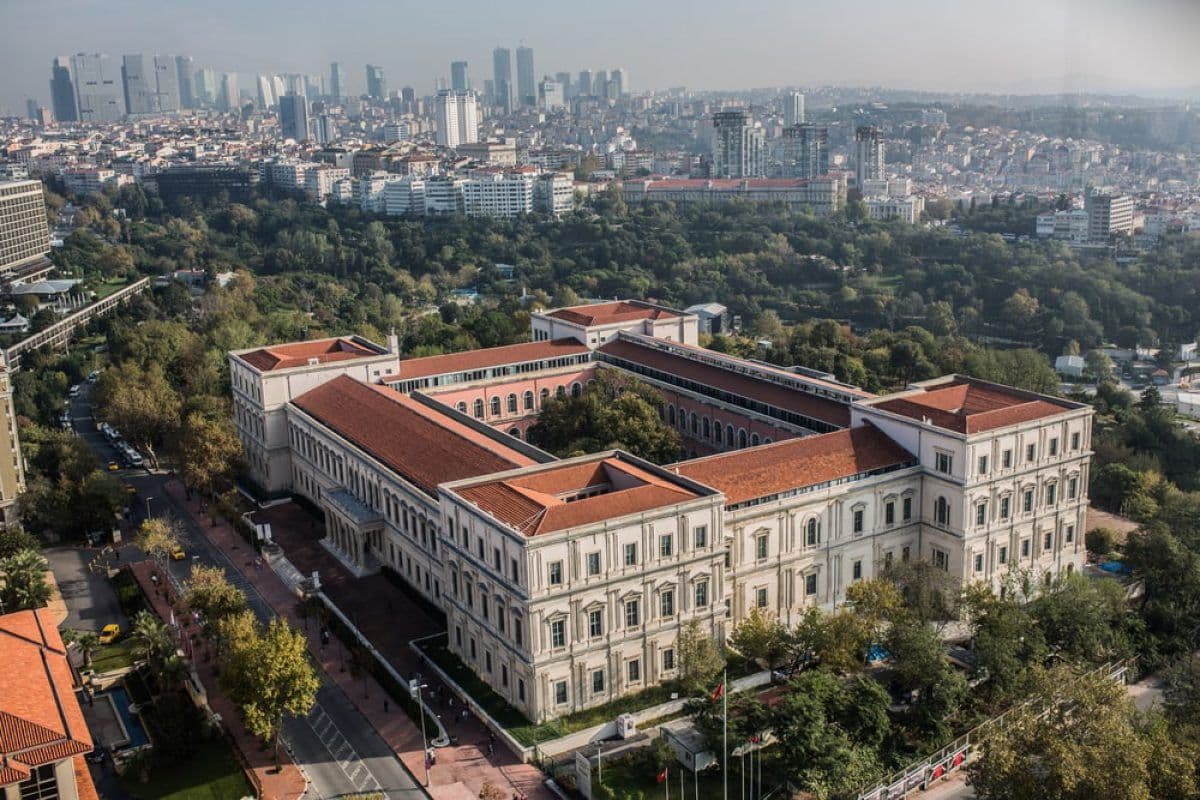
The Electronics and Communication Engineering UOLP programme is a dual-degree bachelor’s programme offered by Istanbul Technical University and NJIT (USA). Students study electronics, communication systems, signal processing and networks with modern courses and labs. The programme combines theory and practical work so you learn both how circuits and communication systems work and how to build real devices. During the first years you study basic sciences and engineering fundamentals; later years focus on advanced electronic systems, wireless communications, digital systems and network technologies. The programme is fully in English and aims to prepare graduates for global communication and technology careers.
By studying in both Istanbul and the USA, students get a global education and learn international engineering standards. Through labs, workshops, projects and teamwork, you develop technical skills, cultural awareness and global mindset. This dual-institution education helps you become ready for work in different countries and industries. After graduation, you receive degrees from both ITU and NJIT, which gives you a strong edge in the global job market.
Semester 1 – Foundations of Engineering
Semester 2 – Basic Circuits & Computing
Semester 3 – Core Electronics & Signals I
Semester 4 – Core Communication Systems I
Semester 5 – Advanced Communication & Networks
Semester 6 – Advanced Topics & International Semester
Semester 7 – Projects & Professional Development
Semester 8 – Capstone & Dual-Degree Completion
Graduates of this programme can work as electronics engineers, communication systems engineers, network designers, telecommunications engineers, signal processing engineers, embedded systems developers, hardware engineers, or R&D engineers. They may join technology companies, telecommunication firms, electronics manufacturers, software-hardware integration companies, research labs or global tech firms. Because of the dual-degree and English-medium education, graduates are also prepared for international job markets. They can adapt to working abroad, join global projects, or continue graduate studies internationally.
This dual-degree programme gives you two degrees and international education — a great advantage if you want a global engineering career. You study in Istanbul and in the USA, learn modern electronics and communication theory, and gain experience with international standards and tools. With labs, design projects and teamwork, you build both technical and soft skills, ready for real-world jobs. This programme opens doors to global companies, graduate studies or international research opportunities.
You also get a wide education — circuits, systems, networks, communications, signal processing and more — so you can choose your interest area as you grow. The English-medium study helps you improve language and global communication skills. With a dual-university background and modern curriculum, this programme sets you up for success in a fast-changing, global technology world. Graduates from this programme often stand out in job applications, because they have both local and international training.
Istanbul Technical University – Faculty of Electrical & Electronics Engineering
Ayazağa / Maslak Campus,
Istanbul, Turkey
Tel: +90 212 285 36 00
Email: info@itu.edu.tr
Electronics & Communication Engineering Department – ITU Programme Office
Istanbul Technical University
Tel: +90 212 285 36 00
Email: ece_uolp@itu.edu.tr
NJIT – Partner University for Dual-Degree
New Jersey Institute of Technology, USA
International Admissions Office
Tel: +1 973 596 3000
Email: admissions@njit.edu
Bachelor of Science · Full-time · On Campus
Istanbul Technical University
Turkey
Bachelor of Science · Full-time · On Campus
Istanbul Technical University
Turkey
Bachelor of Science · Full-time · On Campus
Istanbul Technical University
Turkey
Bachelor of Science · Full-time · On Campus
Istanbul Technical University
Turkey
