.png&w=640&q=75)
End of Life Studies
The End of Life Studies MSc at the University of Glasgow is an online, 1.5-year program designed to explore the sociological, ethical, and cultural aspects of death and dying. This program covers topics such as end-of-life care, palliative care, grief, and the social implications of death across cultures. Students will critically engage with theories, policies, and practices related to end-of-life issues, preparing them for roles in healthcare, counseling, and advocacy.
With a flexible online learning format, students can tailor their studies to fit their professional commitments while developing the skills to address complex end-of-life issues. Graduates will be equipped to work in healthcare settings, hospice care, social services, and policy-making, contributing to the development of compassionate and effective end-of-life care practices.
Key Facts
Key Facts
- Program Title: End of Life Studies
- Degree Type: Master of Science
- Duration: 1,5 years
- Mode of Study: Full-time, Online
- Application Deadline: 07 July 2026
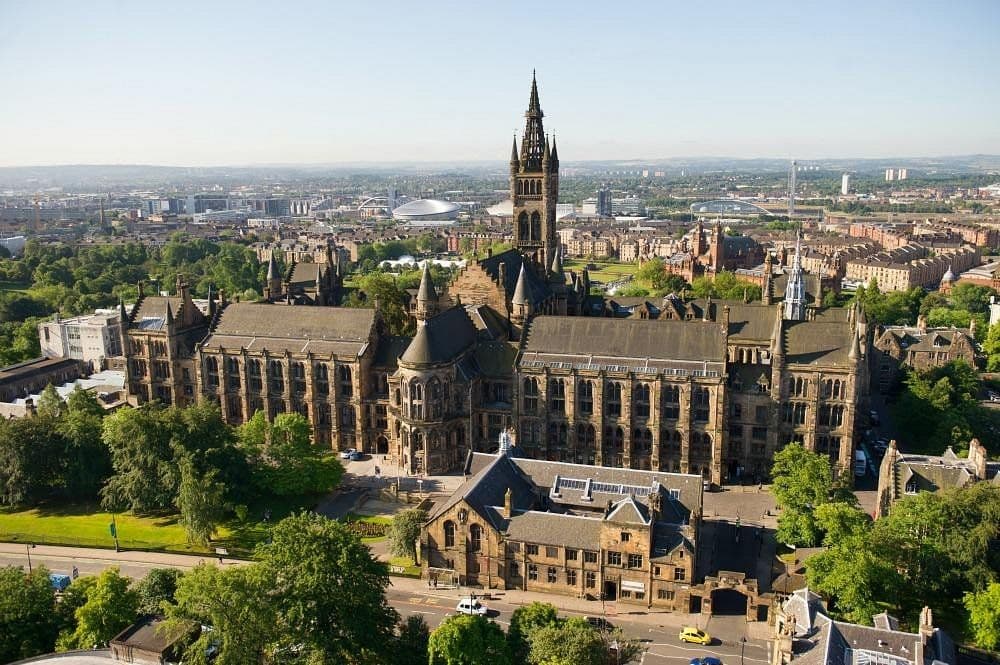
- Location: University of Glasgow, United Kingdom
- Field of Study: Sociology
- Language of Instruction: English
Program Structure
Year 1 - Semester 1 – Foundations of End of Life Studies
- Introduction to End of Life Care and Death Studies
- Social, Ethical, and Cultural Dimensions of Dying
- Psychological Aspects of Grief and Bereavement
- End of Life Care Practices and Palliative Care
- Research Methods in Sociology and End of Life Studies
Year 1 - Semester 2 – Advanced Theories and Applications
- Legal and Ethical Considerations in End of Life Care
- Health Systems and Policy in End of Life
- Terminal Illness: Diagnosis, Treatment, and Care Approaches
- Communication Skills in End of Life Conversations
- Final Research Project Proposal
Year 2 - Semester 3 – Specialization and Research
- Advanced Issues in End of Life Decision-Making
- Cross-Cultural Perspectives on Death and Dying
- End of Life Care in Diverse Populations
- End of Life Ethics and the Role of Family and Caregivers
- Dissertation Preparation and Independent Research
Career Opportunities
Graduates of the Master of Science in End of Life Studies from the University of Glasgow are well-prepared for careers in healthcare, social services, and research. Career opportunities include roles in palliative care, hospice management, social work, bereavement counseling, and healthcare policy development. Graduates can work in hospitals, healthcare organizations, NGOs, or academic institutions, helping to improve end of life care and contributing to the social, ethical, and cultural understanding of death and dying.
Why Choose This Program
The Master of Science in End of Life Studies offers a multidisciplinary approach to understanding the complex issues surrounding death, dying, and bereavement. The University of Glasgow’s online delivery and its interdisciplinary expertise ensure that students gain a comprehensive understanding of both the academic and practical aspects of end of life care. This program is ideal for those wishing to work in end of life care, social services, or research, providing a robust foundation for those aiming to make a meaningful impact in this important field.
Contact Information
For further information, please contact the admissions office at:
Phone: +44 (0)141 330 2000
Email: admissions@glasgow.ac.uk
Address: University of Glasgow, University Avenue, Glasgow G12 8QQ, United Kingdom
