
Energy and Sustainability
The Master of Science in Energy and Sustainability provides an interdisciplinary and future-focused curriculum for students seeking to understand how technological innovation, environmental science, and policy frameworks intersect within the global energy landscape. The program integrates coursework in sustainable energy systems, renewable technologies, environmental assessment, and resource optimization, offering learners a comprehensive foundation for evaluating the technical, economic, and ecological factors that shape modern energy solutions. Through analytical modeling, applied engineering studies, and quantitative evaluation, students learn how to assess energy efficiency, analyze system performance, and propose strategies that support resilient and low-carbon development. This structure equips learners with scientific insight and engineering reasoning essential for navigating fast-evolving sustainability challenges.
The program also emphasizes applied practice through project-based learning, real-world case analysis, and collaboration with industry professionals working across renewable energy, environmental consulting, and climate-focused innovation sectors. Students develop key competencies in data interpretation, system design, impact assessment, and interdisciplinary communication while exploring the regulatory, technological, and societal dimensions of sustainable transitions. Engagement with research activities, workshops, and energy modeling tools strengthens students’ abilities to design practical solutions that balance environmental responsibility with technological feasibility. By combining rigorous academic training with applied experience, the program prepares graduates to contribute meaningfully to sustainable energy development around the world.
Key Facts
Key Facts
- Program Title: Energy and Sustainability
- Degree Type: Master of Science
- Duration: 10 months
- Mode of Study: Full-time, On Campus
- Application Deadline: 01 May 2026
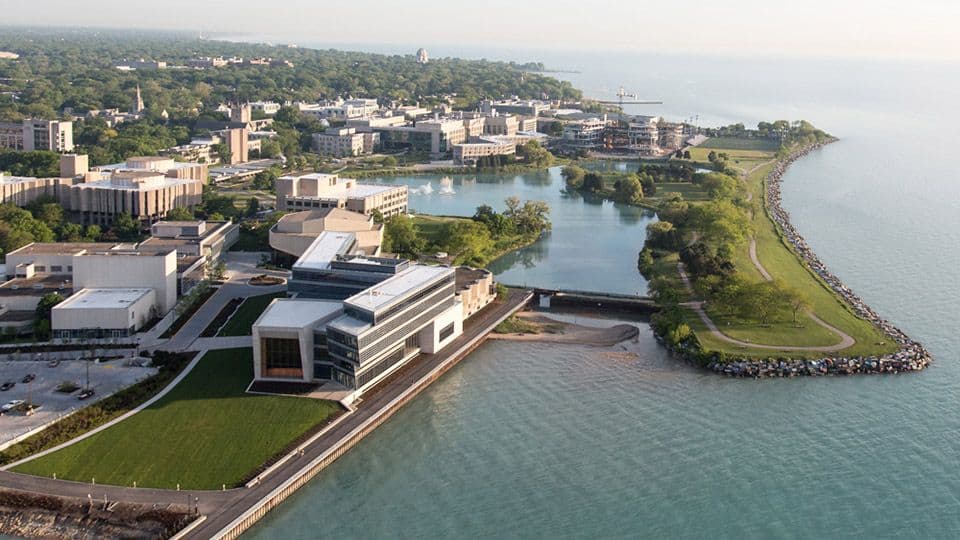
- Location: Northwestern University, United States
- Field of Study: Energy Engineering
- Language of Instruction: English
Program Structure
Semester 1 – Foundations of Sustainable Energy Systems & Environmental Science
• Fundamentals of Renewable Energy Technologies
• Environmental Systems Analysis and Ecology
• Energy Policy, Markets, and Regulation
• Engineering Tools for Energy and Sustainability
Semester 2 – Advanced Energy Technologies, Innovation & Applied Research
• Energy Storage and Grid Integration
• Life Cycle Assessment and Environmental Impact
• Sustainable Design and Resource Management
• Capstone Project in Energy and Sustainability
Career Opportunities
Graduates of this program are prepared for impactful roles across engineering, environmental analysis, renewable energy development, and sustainability consulting. Many professionals work in clean energy companies, environmental consulting firms, government energy agencies, and engineering organizations, contributing to the design, evaluation, and optimization of sustainable energy systems. Their responsibilities may include conducting environmental impact assessments, developing renewable energy models, guiding policy implementation, managing energy efficiency projects, and collaborating with interdisciplinary teams to support climate resilience initiatives. With strong foundations in sustainability science, energy technology, and applied analysis, graduates are also well suited for positions in corporate sustainability, carbon management, climate strategy, and research-oriented innovation. The program provides a strong platform for advancing into leadership roles within organizations committed to sustainable transition and environmental stewardship.
Why Choose This Program
This program is ideal for students who want to build a strong technical and analytical foundation in sustainable energy while engaging deeply with the environmental and policy dimensions of global energy transformation. Its curriculum emphasizes scientific depth, engineering application, and strategic sustainability insight, providing a balanced progression from core principles to advanced applied practice. The 10-month structure delivers an intensive yet comprehensive learning experience supported by expert faculty, hands-on research, and exposure to real-world energy challenges. Students benefit from practical project work, interdisciplinary collaboration, and the ability to develop a portfolio that demonstrates strong analytical and sustainability-driven problem-solving capabilities. For individuals aiming to contribute to the future of clean energy, environmental innovation, and sustainable systems design, this program offers a highly relevant and forward-thinking academic pathway.
Contact Information
For further information, please contact the admissions office at:
Phone: +1 312 555 2040
Email: admissions@northwestern.edu
Address: University of Northwestern, 633 Clark Street, Evanston, IL 60208, United States
