
Engineering
The Engineering Bachelor of Science program offers a broad and integrated foundation in the principles, methods, and applications of engineering across multiple disciplines. Students gain exposure to core areas such as mechanics, materials, computing, and systems design, developing the ability to approach complex problems with analytical reasoning, quantitative skills, and creative problem-solving. The curriculum emphasizes the connection between scientific principles and engineering practice, enabling learners to understand how technology impacts society and how engineering solutions can be applied in diverse industrial, environmental, and technological contexts. By providing both breadth and depth, the program equips students with a versatile foundation that supports innovation and technical competency.
Throughout the program, students engage in laboratory work, collaborative projects, and design-oriented experiences that enhance both theoretical understanding and practical skills. They develop competencies in modeling, simulation, and systems analysis while learning to evaluate technical challenges across different engineering domains. Exposure to faculty-led research, workshops, and interdisciplinary learning environments allows students to cultivate a strong professional and academic foundation. Graduates leave the program with the technical versatility and problem-solving expertise needed to pursue careers in multiple engineering fields or advanced study in specialized areas where innovation, analysis, and design are essential.
Key Facts
Key Facts
- Program Title: Engineering
- Degree Type: Bachelor of Science
- Duration: 4 years
- Mode of Study: Full-time, On Campus
- Application Deadline: 06 January 2026
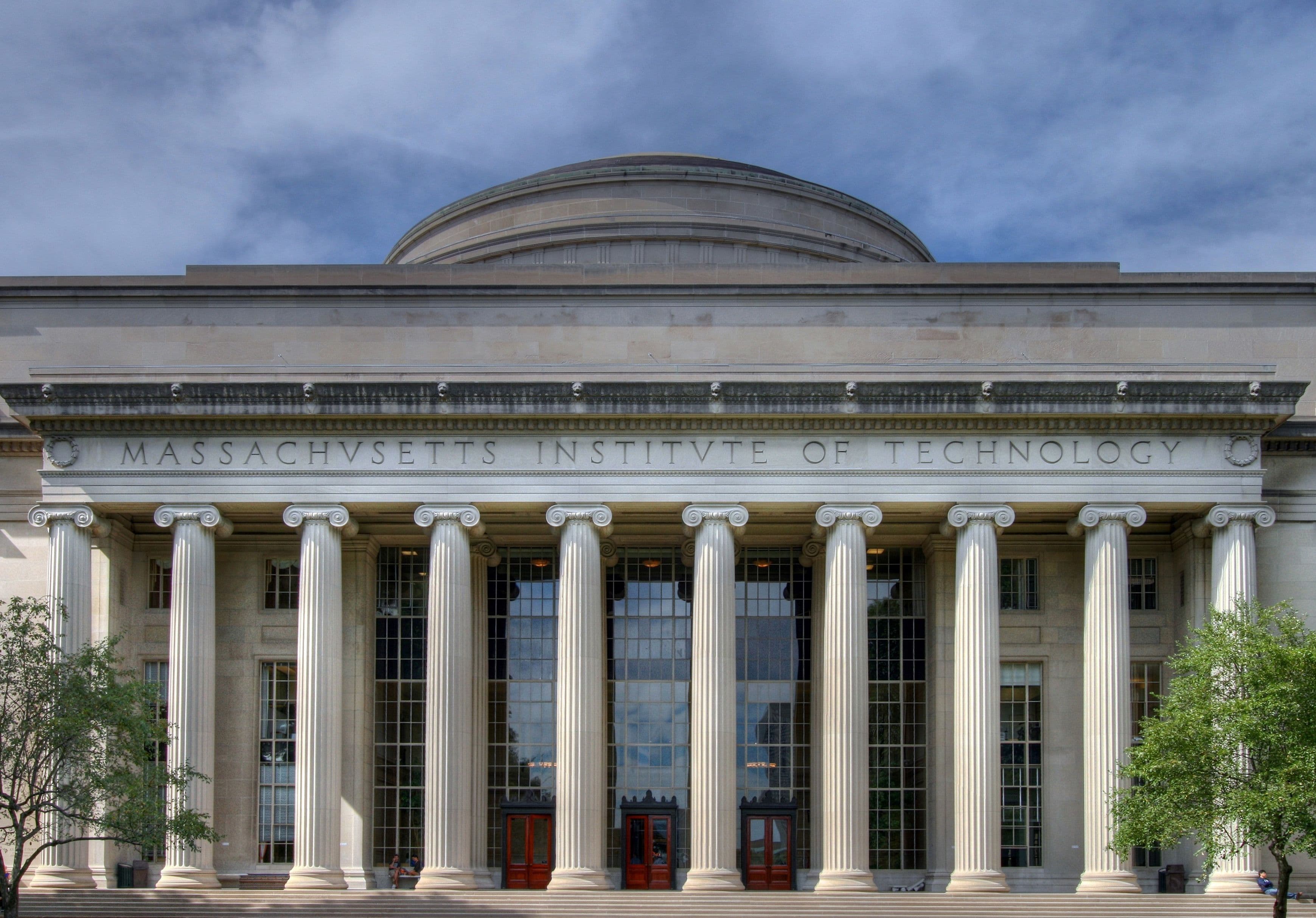
- Location: Massachusetts Institute of Technology (MIT), United States
- Field of Study: General Engineering & Technology
- Language of Instruction: English
Program Structure
Year 1 – Foundations in Engineering
• Introduction to Engineering Principles
• Calculus and Engineering Mathematics
• Physics with Laboratory Applications
• Computing and Problem-Solving for Engineers
Year 2 – Core Engineering Disciplines
• Mechanics and Dynamics
• Materials Science Fundamentals
• Thermodynamics and Energy Systems
• Electrical and Mechanical Systems Overview
Year 3 – Advanced Analysis and Systems Design
• Fluid Mechanics and Heat Transfer
• Engineering Modeling and Simulation
• Design Projects and Laboratory Work
• Electives in Mechanical, Electrical, or Civil Engineering
Year 4 – Integration, Design & Capstone
• Advanced Systems Engineering
• Engineering Design Optimization
• Capstone Project or Research Experience
• Specialized Electives in Applied Engineering
Career Opportunities
Graduates of this program are prepared for careers in industries that demand a versatile engineering skill set and strong problem-solving abilities. Many work in systems design, project management, manufacturing, energy, or technology development, applying their analytical and technical expertise to optimize processes and innovate solutions. Others join research institutions, consulting firms, or pursue graduate studies in specialized engineering fields where interdisciplinary knowledge and technical versatility are highly valued. The program equips students to adapt to evolving challenges in both industrial and academic environments.
Why Choose This Program
This program is ideal for students who want a comprehensive foundation in engineering principles across multiple domains and the flexibility to explore specialized interests. The curriculum emphasizes analytical thinking, technical problem-solving, and practical application, enabling learners to gain experience in real-world projects and interdisciplinary collaboration. Students benefit from faculty guidance, laboratory resources, and opportunities to participate in applied research and design initiatives. By balancing foundational knowledge with hands-on practice, the program provides a strong pathway for students to succeed in diverse engineering careers or pursue advanced technical education.
Contact Information
For further information, please contact the admissions office at:
Phone: +1 617-253-1000
Email: admissions@mit.edu
Address: University of MIT, 77 Massachusetts Avenue, Cambridge, MA 02139, USA
