
Engineering Design and Innovation
The Master of Science in Engineering Design and Innovation provides a comprehensive and interdisciplinary learning environment for students seeking to merge engineering principles with creative problem-solving and user-focused design. The curriculum integrates coursework in design methodology, systems thinking, innovation strategy, and human-centered engineering, allowing learners to explore how technical solutions can address real-world challenges across multiple industries. Through collaborative studio work, analytical modeling, and iterative prototyping, students develop the ability to conceptualize, evaluate, and refine engineering solutions that balance functionality, sustainability, and user needs. This academically rich structure gives learners a deep understanding of how design and engineering interact to produce impactful technological outcomes.
The program also emphasizes hands-on experience through team-based design projects, industry partnerships, and research-driven experimentation, helping students connect theoretical learning with practical application. Students engage with interdisciplinary faculty and professional mentors from areas such as product development, architecture, mechanical engineering, construction, and technology innovation. These experiences strengthen essential skills in project development, prototype testing, design evaluation, and professional communication, preparing learners to navigate the complexities of engineering challenges that require both technical depth and creative insight. By participating in workshops, studio courses, and applied research activities, graduates develop a holistic design perspective that supports careers across engineering, technology, and innovation-driven fields.
Key Facts
Key Facts
- Program Title: Engineering Design and Innovation
- Degree Type: Master of Science
- Duration: 1,5 years
- Mode of Study: Full-time, On Campus
- Application Deadline: 15 January 2026
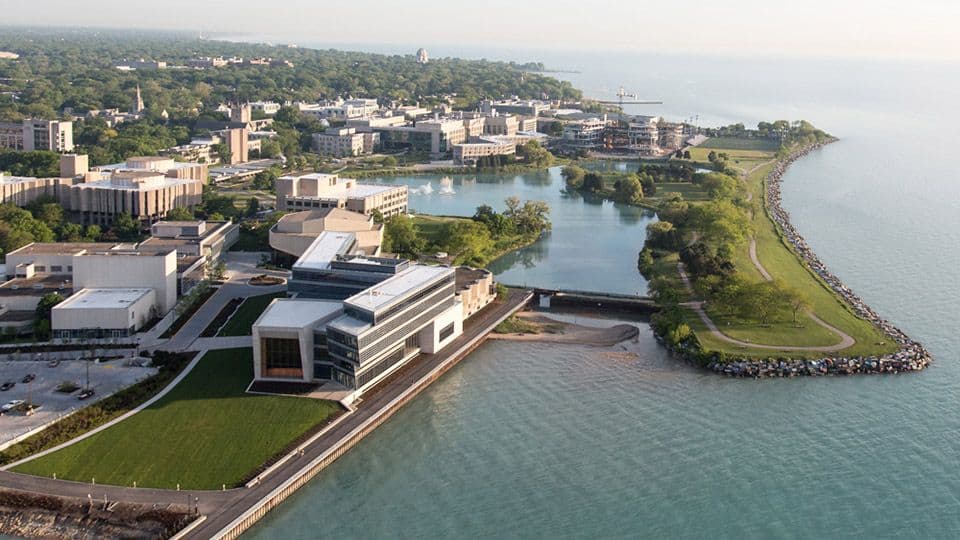
- Location: Northwestern University, United States
- Field of Study: Civil Engineering & Construction
- Language of Instruction: English
Program Structure
Semester 1 – Foundations of Engineering Design & Creative Problem-Solving
• Human-Centered Engineering and Design Principles
• Systems Thinking and Conceptual Modeling
• Engineering Materials and Structural Considerations
• Innovation Strategy and Design Research
Semester 2 – Applied Design Methods & Interdisciplinary Engineering Practice
• Prototyping Techniques and Product Evaluation
• Sustainable Design and Construction Solutions
• Computational Tools for Engineering Design
• Collaborative Studio Project
Semester 3 – Advanced Innovation, Integration & Capstone Development
• Advanced Engineering Design Studio
• Design for Emerging Technologies
• Professional Communication and Portfolio Development
• Capstone Project in Engineering Innovation
Career Opportunities
Graduates of this program are prepared to pursue dynamic roles across engineering, technology, design, and construction sectors where creativity and technical expertise must work together. Many professionals contribute to product development teams, engineering consulting firms, technology innovation groups, and construction or infrastructure organizations, applying their skills to conceptualize and refine solutions that meet functional, aesthetic, and environmental requirements. Their responsibilities often include designing prototypes, conducting user research, performing engineering analyses, coordinating interdisciplinary teams, and supporting the development of systems or products that require both analytical precision and creative insight. With strong foundations in design thinking, engineering modeling, and innovation management, graduates are also well positioned for opportunities in research, project leadership, and technology-driven entrepreneurship. This background enables them to influence engineering outcomes across industries where adaptation, creativity, and technical problem-solving are essential.
Why Choose This Program
This program is ideal for students who want to connect advanced engineering knowledge with innovative design approaches in order to develop solutions that are both technically sound and user-oriented. Its curriculum highlights creative problem-solving, design integration, and applied engineering practice, offering a balanced progression from foundational concepts to advanced project development. The 1.5-year structure provides a focused yet comprehensive learning experience supported by expert faculty, interdisciplinary studio environments, and hands-on industry collaboration. Students benefit from opportunities to build a strong project portfolio, engage in cutting-edge design research, and work on real engineering challenges that strengthen both technical and creative capacities. For individuals who seek to shape the future of engineered systems and contribute meaningfully to innovation-driven industries, this program offers a rigorous and forward-oriented academic pathway.
Contact Information
For further information, please contact the admissions office at:
Phone: +1 312 555 2040
Email: admissions@northwestern.edu
Address: University of Northwestern, 633 Clark Street, Evanston, IL 60208, United States
