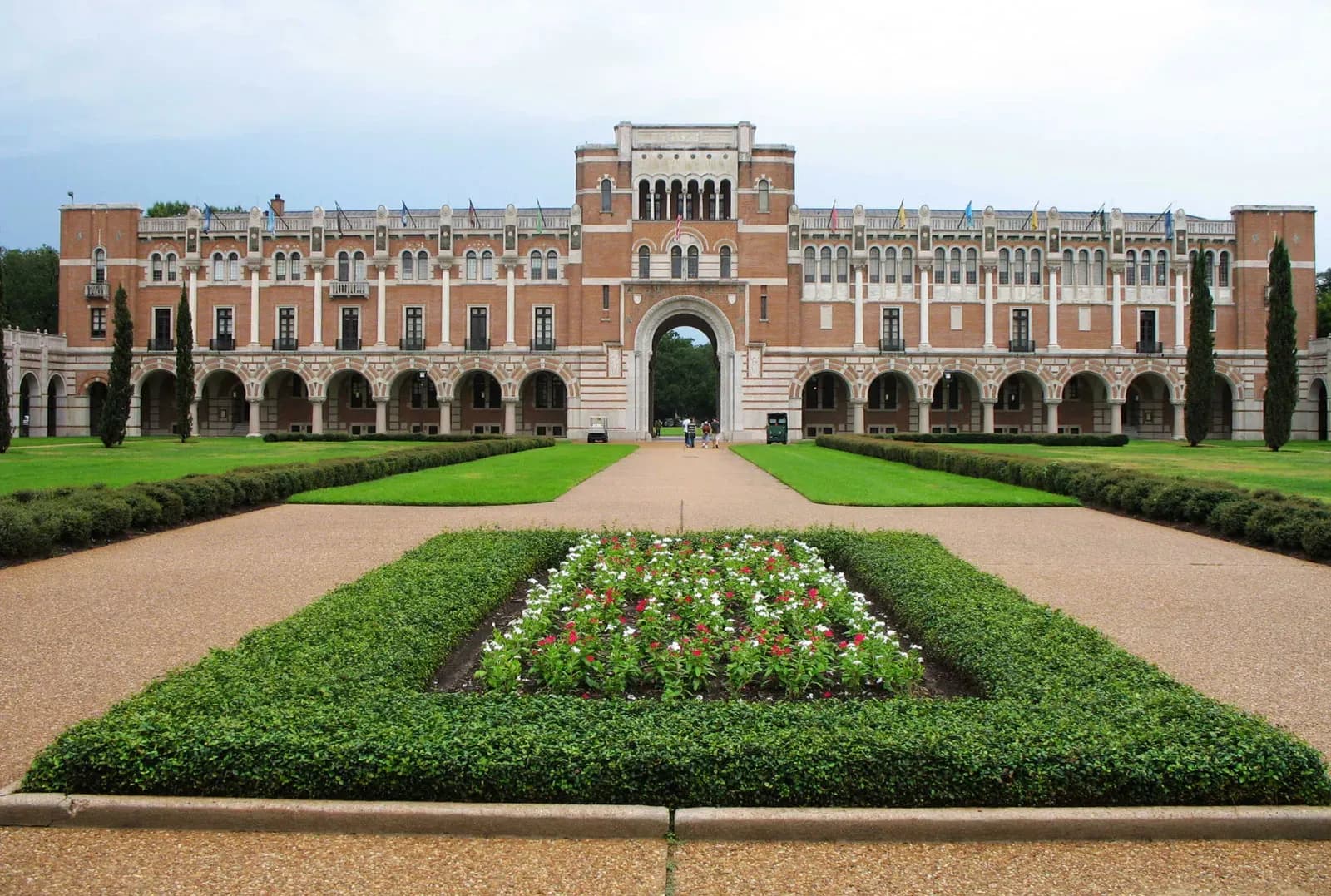

The Master of Science in Environmental Analysis with a focus on Environmental Economics & Policy is a 22 month full time program designed for students seeking to integrate analytical, economic and policy skills to address environmental challenges. The curriculum emphasizes policy evaluation, economic modeling, sustainability assessment and evidence based decision making, providing learners with the tools to assess and implement effective environmental strategies. Students engage in a combination of advanced coursework, applied projects and research seminars that allow them to analyze complex environmental systems, evaluate the impact of regulations, and develop solutions that balance ecological, economic and social objectives. This program equips students with the interdisciplinary expertise needed to operate effectively at the intersection of environmental science, economics and policy.
Throughout the program, learners collaborate with faculty and peers to apply quantitative and qualitative methods to real world environmental challenges, exploring topics such as resource management, climate policy, environmental risk assessment and sustainable development. The 22 month structure provides sufficient time to combine rigorous academic training with practical experience through research projects and case studies. Graduates are prepared to interpret complex data, formulate evidence based recommendations, and implement strategies that address pressing environmental and social issues, preparing them for leadership roles in a variety of professional contexts.
Key Facts
Key Facts
- Program Title: Environmental Analysis
- Degree Type: S. Master
- Duration: 22 months
- Mode of Study: Full-time, On Campus
- Application Deadline: 15 February 2026
- Location: Rice University, United States
- Field of Study: Environmental Economics & Policy
- Language of Instruction: English
Program Structure
Semester 1: Foundations in Environmental Economics & Policy
• Introduction to Environmental Economics
• Quantitative Methods for Policy Analysis
• Environmental Policy and Regulation
• Social and Environmental Research Methods
Semester 2: Policy Evaluation and Applied Methods
• Cost Benefit and Risk Analysis
• Sustainability Assessment and Metrics
• Environmental Data Analysis
• Applied Policy Project
Semester 3: Advanced Environmental Analysis
• Climate Policy and Resource Management
• Environmental Governance
• Economic Modeling for Sustainability
• Seminar: Case Studies in Environmental Policy
Semester 4: Research and Integration
• Independent Research / Capstone Project
• Policy Implementation and Evaluation
• Advanced Environmental Modeling
• Elective in Environmental Economics or Policy
Career Opportunities
Graduates of this program are prepared for careers that require strong analytical, research and policy evaluation skills in environmental and economic contexts. Potential positions include Environmental Analyst, Policy Advisor, Sustainability Consultant, Research Associate and Program Evaluator within government agencies, international organizations, think tanks, environmental NGOs, consulting firms and research institutions. The program equips students to assess environmental programs, analyze policy effectiveness, develop evidence based recommendations and implement sustainable solutions. With its combination of quantitative, analytical and policy training, graduates are prepared to assume leadership roles in designing, evaluating and improving environmental policies and sustainability initiatives at local, national and global levels.
Why Choose This Program
This program is ideal for students seeking an intensive, interdisciplinary education that integrates environmental economics, policy evaluation, sustainability analysis and applied research skills. Its 22 month on campus structure allows for immersive engagement with faculty, hands-on projects and collaborative research. The curriculum emphasizes practical application of analytical and policy methods to real world environmental challenges, preparing graduates to develop actionable solutions, guide policy decisions and advance sustainability goals. By combining rigorous academic training with applied experience, students graduate with the skills and expertise necessary to lead initiatives in environmental management, policy development and sustainable economic planning.
Contact Information
For further information, please contact the admissions office at:
Phone: 713-348-7423
Email: admission@rice.edu
Address: Office of Admission – MS 17, 109 Lovett Hall, 6100 Main Street, Houston, TX 77005, United States
