Environmental Chemistry
The Environmental Chemistry program provides students with a comprehensive study of chemical principles applied to environmental systems, emphasizing critical thinking, analytical techniques, and sustainability. Students explore chemical processes in air, water, and soil, study pollution, and learn methods for environmental monitoring and remediation. Courses cover general and analytical chemistry, environmental toxicology, geochemistry, and laboratory techniques, integrating theoretical knowledge with hands-on experimentation. Students develop skills in experimental design, data interpretation, and problem-solving, preparing them to address complex environmental challenges using chemical solutions.
Throughout the program, students cultivate strong research, analytical, and technical skills essential for careers in environmental science, chemistry, sustainability, and public policy. Exposure to interdisciplinary approaches, including chemistry, biology, environmental studies, and engineering, ensures graduates are equipped to analyze and solve environmental problems. By fostering independent inquiry, applied experimentation, and quantitative analysis, the program prepares students to contribute meaningfully to environmental research, sustainable development initiatives, and professional projects in chemistry and environmental management
Key Facts
Key Facts
- Program Title: Environmental Chemistry
- Degree Type: S. Bachelor
- Duration: 4 years
- Mode of Study: Full-time, On Campus
- Application Deadline: 01 January 2026
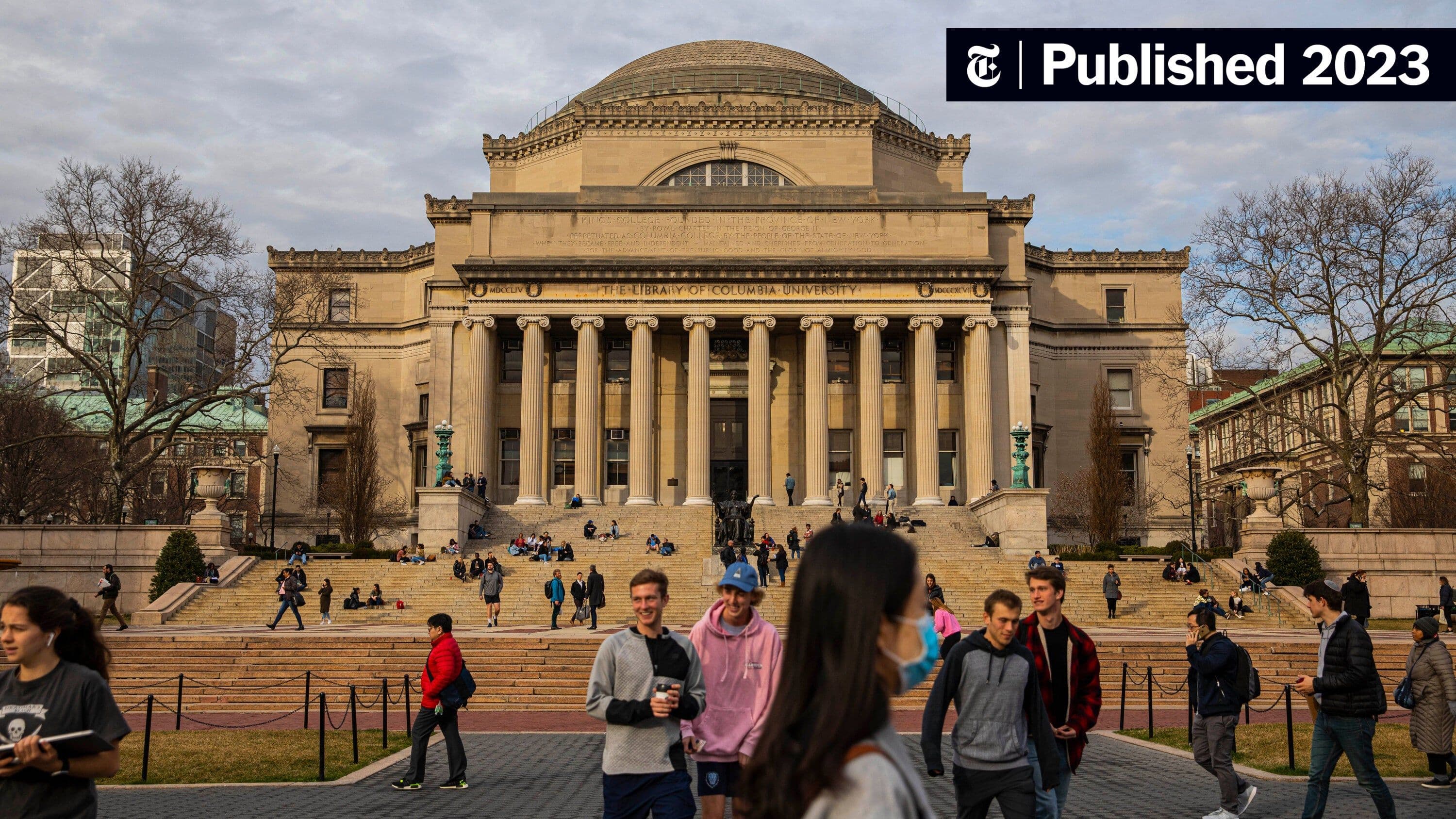
- Location: Columbia University, United States
- Field of Study: Chemistry
- Language of Instruction: English
Program Structure
Year 1 – Foundations in Chemistry and Environmental Science
• General Chemistry I and II
• Calculus and Analytical Mathematics
• Introduction to Environmental Science
• Academic Writing and Research Skills
Year 2 – Core Environmental Chemistry and Analytical Methods
• Organic and Inorganic Chemistry
• Environmental Toxicology and Pollution Analysis
• Instrumental and Analytical Techniques
• Elective Modules in Ecology, Geochemistry, or Environmental Policy
Year 3 – Advanced Environmental Chemistry and Applied Research
• Environmental Monitoring and Remediation
• Geochemistry and Biogeochemical Cycles
• Research Project or Laboratory Internship
• Seminar in Environmental Analysis
Year 4 – Independent Research and Capstone Project
• Independent Research Project or Thesis
• Advanced Topics in Environmental Chemistry
• Data Analysis and Interpretation
• Capstone Project Presentation
Career Opportunities
Graduates of this program are prepared for careers in environmental chemistry, sustainability, research, public policy, and environmental consulting. They can work in research laboratories, governmental or non-governmental environmental agencies, environmental monitoring firms, and industry-focused sustainability programs. The program equips students with expertise in chemical analysis, environmental assessment, pollution remediation, laboratory research, and data interpretation, enabling them to pursue versatile roles in environmental management, research, consulting, and policy development. Alumni may also continue their education in graduate programs in chemistry, environmental science, sustainable development, or related fields, providing highly competitive and adaptable career pathways.
Why Choose This Program
This program combines chemical analysis, environmental science, and applied research, giving students a comprehensive understanding of environmental systems and sustainable solutions. Small classes and faculty mentorship provide personalized guidance, fostering independent research, analytical thinking, and problem-solving skills. The curriculum emphasizes interdisciplinary learning, laboratory experimentation, and applied environmental projects, preparing graduates to address complex challenges in environmental chemistry, sustainability, and scientific research. By engaging with laboratory experiments, field studies, and advanced coursework, students gain the knowledge, technical expertise, and experience necessary for impactful careers in environmental chemistry, research, sustainability, and further graduate study.
Contact Information
For further information, please contact the admissions office at:
Phone: +1 212 854 1754
Email: admissions@columbia.edu
Address: University of Columbia, Admissions Office, New York, NY, United States
