
Environmental Engineering
The Environmental Engineering program offers a science-based, solutions-oriented education focused on addressing some of the world’s most pressing environmental challenges. Students gain a strong foundation in core engineering principles while exploring the chemical, physical, and biological processes that govern natural and engineered systems. The curriculum emphasizes the design and analysis of technologies that improve water quality, air pollution control, waste management, and sustainable infrastructure. Through a combination of theoretical instruction and practical problem-solving, learners are equipped to understand and mitigate the human impact on ecosystems.
In addition to classroom learning, students engage in laboratory experiments, computational modeling, and field-based research that reflect the multidisciplinary nature of environmental engineering. Learners collaborate on real-world design projects that address climate resilience, resource recovery, and environmental health. Faculty mentorship and access to cutting-edge research centers help students translate scientific knowledge into engineering solutions that are innovative, ethical, and environmentally responsible. With an emphasis on sustainability, systems thinking, and public impact, the program prepares graduates to lead in the development of technologies and policies that promote environmental protection and long-term planetary well-being.
Key Facts
Key Facts
- Program Title: Environmental Engineering
- Degree Type: Bachelor of Science
- Duration: 4 years
- Mode of Study: Full-time, On Campus
- Application Deadline: 02 January 2026
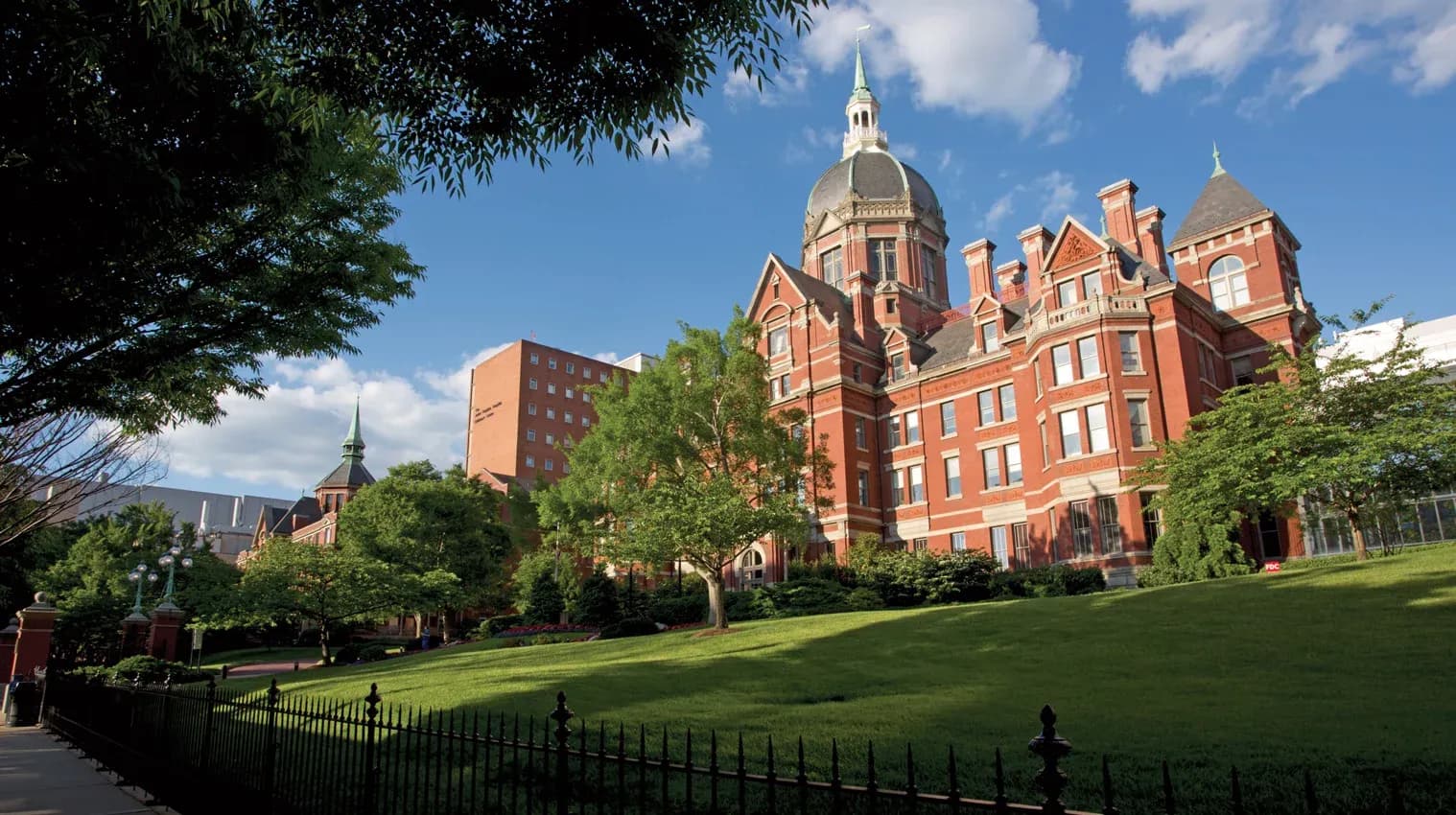
- Location: Johns Hopkins University, United States
- Field of Study: Environmental Engineering
- Language of Instruction: English
Program Structure
Year 1 – Engineering and Scientific Foundations
- Introduction to Environmental Engineering
- Calculus I & II
- General Chemistry and Laboratory
- Fundamentals of Environmental Science
Year 2 – Core Environmental Processes
- Fluid Mechanics
- Environmental Microbiology
- Thermodynamics for Engineers
- Applied Differential Equations
Year 3 – System Design and Modeling
- Water and Wastewater Treatment Engineering
- Hydrology and Environmental Transport
- Air Pollution Control Technologies
- Electives in Sustainability, Climate Science, or GIS
Year 4 – Capstone Projects and Specialization
- Senior Design Project (Environmental Systems)
- Environmental Policy and Ethics
- Advanced Modeling and Simulation
- Career Development and Portfolio Workshop
Career Opportunities
Graduates of this program are well positioned to address global environmental challenges through careers in engineering, public policy, and environmental consulting. They often work as water resources engineers, air quality specialists, environmental consultants, or sustainability analysts, developing and implementing systems that improve ecological health and human well-being. Employment opportunities exist in government agencies, nonprofit organizations, environmental engineering firms, and international development agencies, where professionals contribute to infrastructure design, regulatory compliance, pollution control, and ecosystem restoration. Many graduates play key roles in climate adaptation projects, disaster risk reduction, or the development of clean energy systems. The program’s strong integration of science, engineering, and ethics prepares students to evaluate risks, apply regulatory frameworks, and lead cross-sector projects. Additionally, it lays a solid foundation for advanced study in civil engineering, environmental science, or public health—supporting long-term success in fields where innovation and environmental responsibility must go hand in hand.
Why Choose This Program
This program is ideal for students who want to use engineering to make a tangible, positive impact on the environment and society. At Johns Hopkins University, students benefit from a research-intensive environment that fosters deep engagement with real-world challenges in water security, pollution mitigation, and sustainable infrastructure. The curriculum emphasizes both technical skill and practical experience, offering opportunities to participate in fieldwork, interdisciplinary research, and industry partnerships that mirror the demands of the professional world. Faculty bring diverse expertise in environmental modeling, urban resilience, and global sustainability, enriching the student experience with up-to-date knowledge and applied methodologies. With its commitment to innovation, ethics, and interdisciplinary collaboration, the program empowers students to develop environmentally sound solutions grounded in scientific evidence and engineering excellence. Graduates leave with the ability to lead in shaping a healthier and more sustainable future.
Contact Information
For further information, please contact the admissions office at:
Phone: +1 410 516 8000
Email: admissions@jhu.edu
Address: Johns Hopkins University, 3400 N. Charles Street, Baltimore, MD 21218, USA
