Bachelor of Science · Full-time · On Campus
Marmara University
Turkey
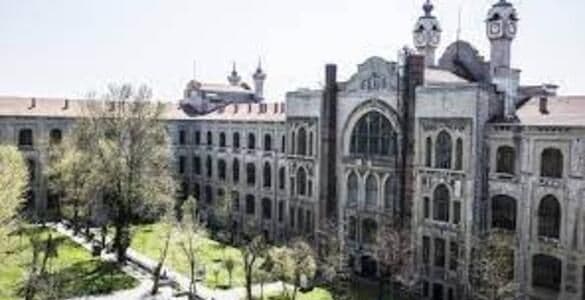
The PhD in Environmental Engineering (English) at Marmara University offers advanced-level training for students interested in solving environmental challenges through engineering, science, and sustainability. The programme covers topics such as water and wastewater treatment, solid waste management, environmental pollution control, sanitation, and sustainable environmental technologies under contemporary environmental pressures in Turkey and globally. The programme uses English as the medium of instruction and welcomes applicants who meet the admission criteria.
Situated in Istanbul, a city facing diverse environmental challenges and hosting many industrial and urban development projects, this doctoral programme offers a relevant and practical environment for environmental research. With access to modern laboratories, trained faculty, and ongoing environmental-engineering projects, students are equipped to conduct impactful research that links academic knowledge with real-world environmental problems. The programme reflects Marmara University’s commitment to combining academic rigor with practical relevance in environmental engineering.
Semester 1 – Foundations of Environmental Engineering
Semester 2 – Core Environmental Technologies
Semester 3 – Specialization & Research Development
Semester 4 – Doctoral Qualification Phase
Semester 5 – Doctoral Research I
Semester 6 – Doctoral Research II
Semester 7 – Thesis Development & Review
Semester 8 – Thesis Completion & Defense
Graduates of this programme can pursue academic careers as researchers or faculty members in environmental engineering, environmental science, water management, waste treatment, or sustainability fields. They may also work in public institutions, regulatory bodies, environmental agencies, or consultancy firms that deal with water supply, wastewater treatment, pollution control, environmental impact assessment, or sustainable development projects. In the private sector, opportunities include environmental engineering companies, waste management firms, clean water technologies, and industrial environmental compliance units.
Choosing the PhD in Environmental Engineering means joining a programme with a strong focus on real-world environmental challenges and sustainable engineering solutions. Students benefit from experienced faculty, access to well-equipped laboratories, and a research environment that connects scientific knowledge with practical environmental needs. The programme helps students develop analytical, research, and problem-solving skills essential for tackling complex environmental issues. In addition, its English-medium structure supports international collaboration and makes it accessible to global students and researchers.
Moreover, the programme emphasizes interdisciplinary thinking by combining engineering, environmental science, health, and policy aspects. Students engage in seminars, research projects, and scientific communication activities that enhance their professional development. This comprehensive training helps graduates adapt to evolving environmental demands and positions them for impactful roles in academia, industry, or public service. The programme also offers networking opportunities with environmental professionals and institutions that can support future career development.
Marmara University – Student Advisory Service
Göztepe Campus
34722 Kadıköy, Istanbul, Turkey
Tel: +90 216 348 02 92
Fax: +90 216 348 13 69
Email: info@marmara.edu.tr
Environmental Engineering Department – Programme Contact (PhD Environmental Engineering)
Göztepe Campus
34722 Kadıköy, Istanbul, Turkey
Tel: +90 216 348 02 92
Email: enveng_phd@marmara.edu.tr
International Office – Marmara University
Göztepe Campus
34722 Kadıköy, Istanbul, Turkey
Tel: +90 216 777 17 00
Fax: +90 216 777 17 99
Email: international@marmara.edu.tr
Bachelor of Science · Full-time · On Campus
Marmara University
Turkey
Bachelor of Architecture · Full-time · On Campus
Marmara University
Turkey
Bachelor of Science · Full-time · On Campus
Marmara University
Turkey
Bachelor of Dentistry · Full-time · On Campus
Marmara University
Turkey
