
Environmental Science and Management
The Bachelor of Science in Environmental Science and Management offers an extensive interdisciplinary framework for understanding how natural systems function and how human activities shape ecological outcomes across local and global landscapes. The program integrates environmental science, ecology, chemistry, resource management, and policy analysis, enabling students to examine the scientific foundations of environmental challenges while building strong analytical and problem solving skills. Learners explore subjects such as ecosystem dynamics, environmental assessment, pollution control, and land management, gaining the ability to apply scientific evaluation, data driven insight, resource planning, and critical interpretation to complex environmental issues. Through this broad academic structure, students develop a deep understanding of ecological interactions and the tools needed to support sustainable decision making in diverse environmental settings.
The curriculum places strong emphasis on applied learning, research engagement, and the development of strategies that enhance environmental resilience and community well being. Students examine how climate change, biodiversity loss, water scarcity, and resource consumption affect natural systems, while also studying regulatory frameworks, conservation practices, and environmental policy design. Laboratory work, field studies, geospatial analysis, and collaborative projects help learners connect theoretical knowledge with practical application, preparing them to contribute meaningfully to environmental problem solving and long term sustainability planning. By graduation, students possess a comprehensive foundation that supports careers in environmental management, scientific research, and policy development while allowing them to adapt to emerging challenges within rapidly evolving ecological landscapes.
Key Facts
Key Facts
- Program Title: Environmental Science and Management
- Degree Type: Bachelor of Science
- Duration: 4 years
- Mode of Study: Full-time, On Campus
- Application Deadline: 05 January 2026
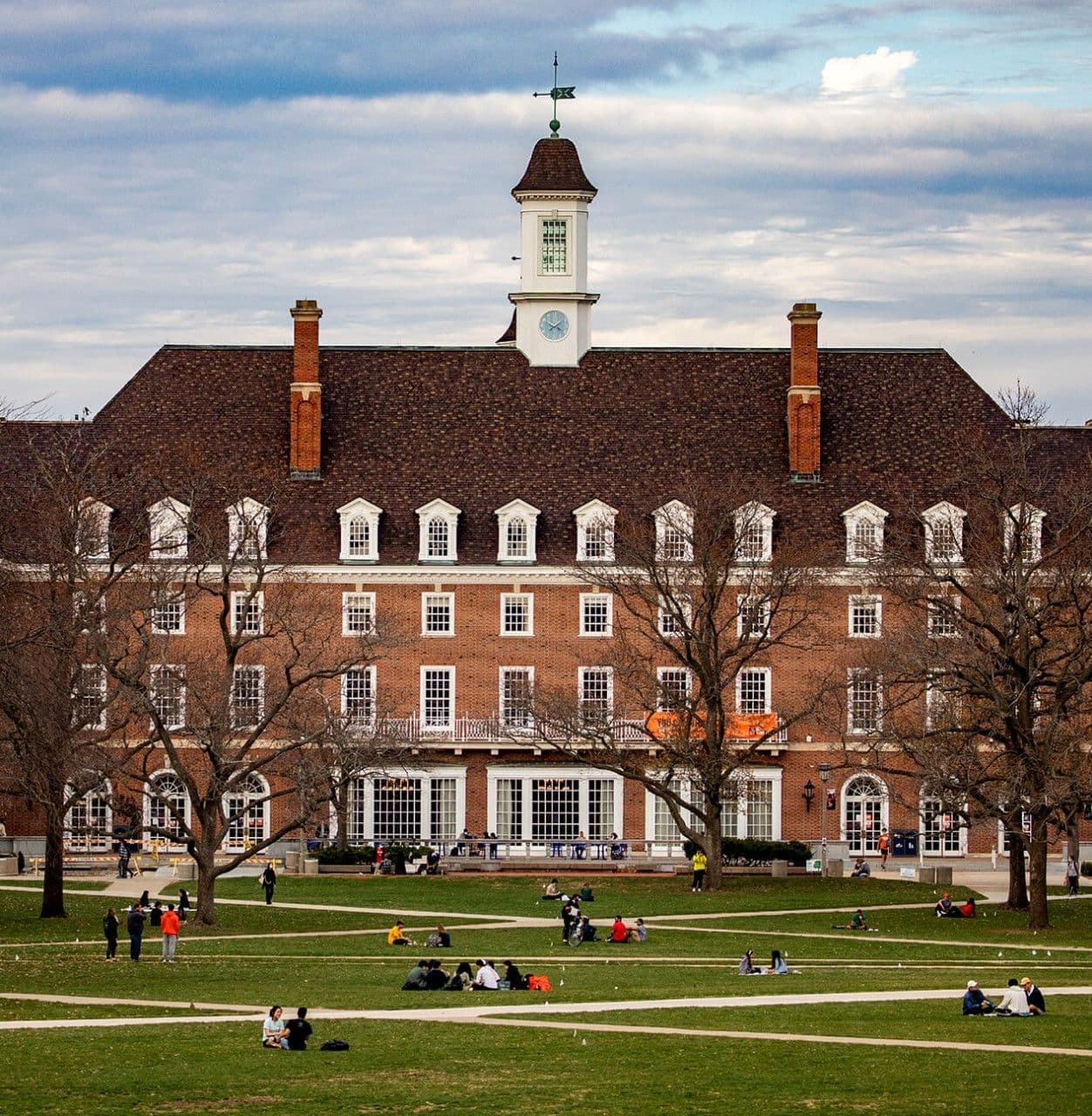
- Location: University of Illinois Urbana-Champaign, United States
- Field of Study: Environmental Management
- Language of Instruction: English
Program Structure
Year 1 - Foundations of Environmental Systems
• Introduction to Environmental Science
• Principles of Ecology
• Environmental Chemistry
• Foundations of Resource Management
Year 2 - Ecological Processes and Environmental Assessment
• Biodiversity and Conservation
• Environmental Field Methods
• Water and Soil Resource Analysis
• Environmental Impact Assessment
Year 3 - Management Strategies and Applied Technologies
• Environmental Policy and Planning
• GIS and Geospatial Analysis
• Pollution Prevention and Control
• Sustainable Resource Systems
Year 4 - Advanced Applications and Professional Practice
• Climate Change Science
• Environmental Management Strategies
• Capstone Research Project
• Professional Skills in Environmental Practice
Career Opportunities
Graduates of this program pursue careers across government agencies, environmental consulting firms, conservation organizations, research institutions, and private sector companies where their expertise in environmental assessment, resource planning, policy implementation, and ecosystem management is highly valued. Positions include environmental scientist, sustainability coordinator, conservation specialist, ecological field technician, environmental analyst, regulatory compliance officer, and natural resource manager. Many graduates support initiatives in climate mitigation, habitat protection, pollution control, and environmental restoration, contributing to long term ecological resilience. Others choose to continue into graduate programs in environmental science, natural resource management, public policy, or related fields, building on their extensive scientific and analytical foundation to pursue leadership roles in environmental decision making.
Why Choose This Program
Students choose this program because it combines scientific depth, applied environmental practice, and interdisciplinary training that prepares them to address pressing ecological challenges with long term impact. The curriculum encourages learners to analyze environmental systems through a blend of scientific research, management principles, and policy frameworks, helping them understand both the biological and human dimensions of sustainability. Opportunities for fieldwork, laboratory research, geospatial training, and collaborative projects strengthen students’ practical abilities while fostering scientific insight, environmental leadership, and a sustained commitment to ecological responsibility. This degree is ideal for individuals who seek a rigorous academic pathway that supports meaningful contributions to environmental stewardship and sustainable resource management across diverse professional environments.
Contact Information
For further information, please contact the graduate admissions office at:
Phone: 217-333-0035
Email: grad@illinois.edu
Address: The Graduate College, 507 East Green Street, Suite 101, MC-434, Champaign, IL 61820, United States
