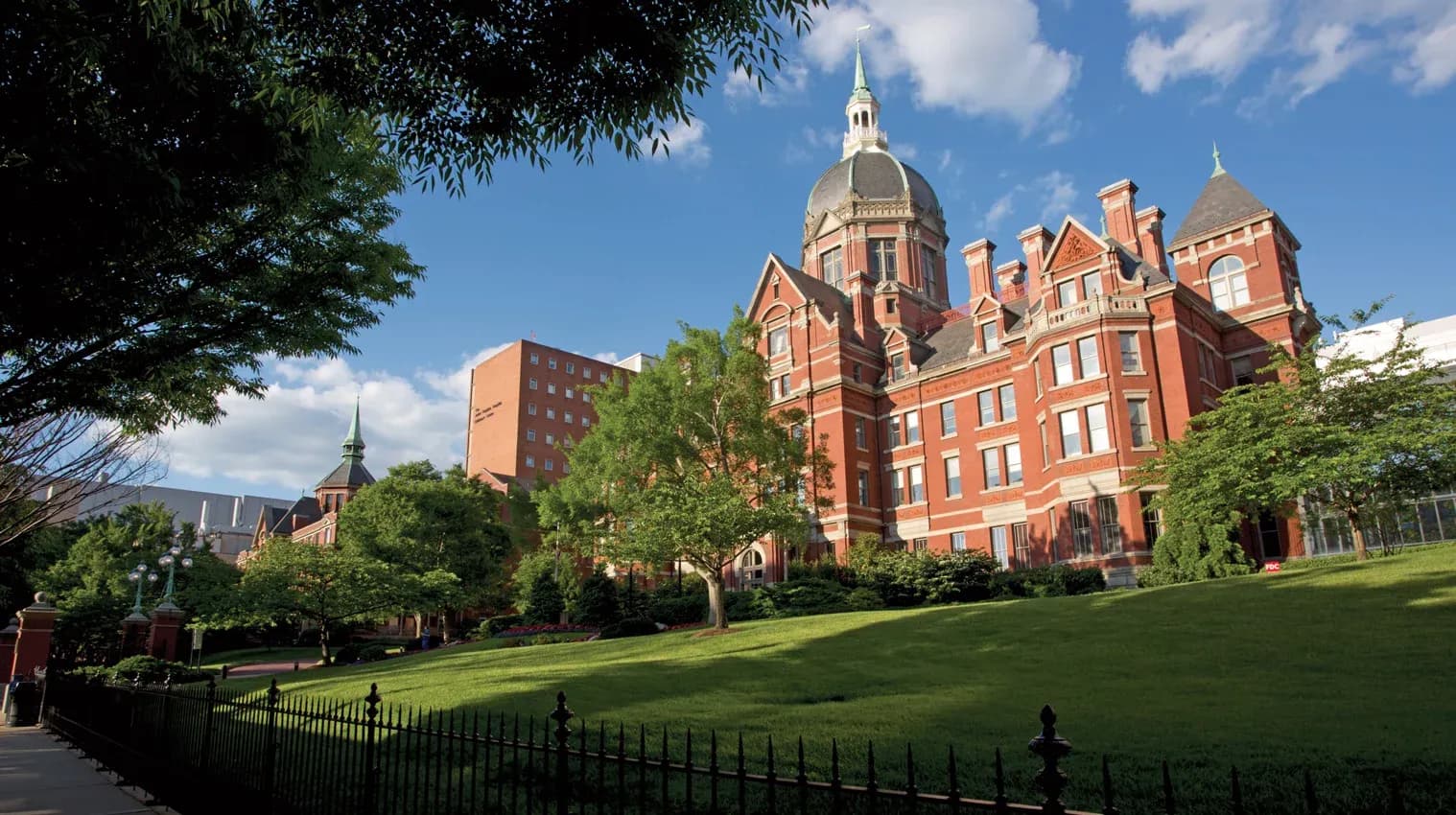

Environmental Science and Studies
The Environmental Science and Studies program provides a comprehensive and interdisciplinary foundation for understanding the complex interactions between natural systems, human activities, and global environmental challenges. Students explore ecological processes, geological dynamics, climate patterns, and environmental policy frameworks while developing strong analytical and scientific reasoning skills. The curriculum encourages learners to examine environmental problems through both qualitative and quantitative perspectives, enabling them to understand how scientific knowledge informs sustainable solutions. This approach prepares students to interpret pressing issues such as climate change, resource management, and environmental justice with critical insight and intellectual depth.
Beyond academic coursework, the program integrates fieldwork, laboratory analysis, and applied research opportunities that strengthen students’ ability to work with real-world environmental data. Learners engage in hands-on projects, environmental impact assessments, community partnerships, and faculty-guided studies that help them evaluate environmental conditions using scientifically grounded methods. Through interdisciplinary collaboration and exposure to environmental ethics, policy, and science communication, students gain the tools necessary to assess environmental systems holistically. This combination of scientific training and policy understanding supports the development of graduates who can contribute effectively to sustainability efforts, conservation initiatives, and environmental research across diverse settings.
Key Facts
Key Facts
- Program Title: Environmental Science and Studies
- Degree Type: Bachelor of Arts
- Duration: 4 years
- Mode of Study: Full-time, On Campus
- Application Deadline: 02 January 2026
- Location: Johns Hopkins University, United States
- Field of Study: Environmental Sciences
- Language of Instruction: English
Program Structure
Year 1 – Foundations of Environmental Systems
- Introduction to Environmental Science
- Earth Systems and Physical Geography
- Ecology and Biodiversity
- Fundamentals of Environmental Policy
Year 2 – Scientific Methods & Applied Environmental Studies
- Environmental Chemistry
- Quantitative Methods in Environmental Research
- Environmental Ethics and Society
- Electives in Marine Science, Climate Studies, or Geology
Year 3 – Advanced Analysis & Specialized Modules
- Climate Change Science and Adaptation
- Geographic Information Systems (GIS)
- Environmental Risk Assessment
- Elective Modules in Conservation Biology or Sustainability Studies
Year 4 – Research, Capstone & Professional Development
- Senior Thesis or Applied Field Project
- Environmental Policy Analysis Seminar
- Data Interpretation and Scientific Communication Workshop
- Portfolio and Career Preparation
Career Opportunities
Graduates of this program are prepared for a wide range of meaningful and environmentally focused careers where scientific literacy, analytical reasoning, and interdisciplinary knowledge are essential. Many alumni work in environmental consulting, conservation organizations, government agencies, and research institutes, where they contribute to environmental monitoring, ecological management, sustainability planning, climate resilience, and policy development. Others find roles in nonprofit environmental advocacy, renewable energy sectors, urban planning departments, environmental education, or private industry positions related to compliance, risk analysis, and resource management. The program’s emphasis on scientific inquiry, data interpretation, and policy awareness ensures that graduates can respond effectively to environmental challenges, develop informed strategies, and communicate complex findings to diverse audiences. Additionally, strong research training makes students well prepared for advanced study in environmental science, ecology, public policy, or related interdisciplinary fields.
Why Choose This Program
This program is an excellent choice for students seeking a rigorous and interdisciplinary education that connects scientific understanding with real-world environmental issues, supported by a university known for innovative research and global engagement. Learners benefit from hands-on field experiences, advanced laboratory opportunities, and close mentorship from faculty who bring expertise from multiple environmental disciplines. The curriculum fosters practical experience through research projects, policy simulations, community collaborations, and data-driven environmental assessments, helping students build both scientific competency and professional confidence. Its blend of ecological science, policy analysis, and sustainability studies equips students with the intellectual flexibility needed to address environmental challenges from multiple angles. With its strong academic foundation and commitment to experiential learning, the program provides a path for graduates who want to contribute meaningfully to environmental stewardship, sustainability leadership, and long-term global resilience.
Contact Information
For further information, please contact the admissions office at:
Phone: +1 410 516 8000
Email: admissions@jhu.edu
Address: Johns Hopkins University, 3400 N. Charles Street, Baltimore, MD 21218, USA
