.png&w=640&q=75)
Environmental Science
Environmental Science program provides students with a comprehensive understanding of the natural environment, ecosystems, and the impact of human activity on ecological systems. Over four years, students explore ecology, environmental chemistry, geology, climate science, and sustainable practices while developing strong analytical, research, and problem-solving skills. The curriculum combines theoretical study with hands-on fieldwork, laboratory experiments, and data analysis, enabling students to assess environmental challenges and propose effective solutions. Students also examine social, economic, and policy dimensions of environmental issues, fostering an interdisciplinary perspective on sustainability and conservation.
Students engage in field studies, laboratory research, and community projects, gaining practical experience in monitoring ecosystems, analyzing environmental data, and implementing sustainability initiatives. The program emphasizes research skills, critical thinking, and applied environmental practice, preparing graduates to work in research, conservation, policy, and industry. Graduates leave with the ability to evaluate environmental systems, design evidence-based solutions, and contribute to the management and preservation of natural resources.
Key Facts
Key Facts
- Program Title: Environmental Science
- Degree Type: Bachelor of Science
- Duration: 4 years
- Mode of Study: Full-time, On Campus
- Application Deadline: 01 December 2025
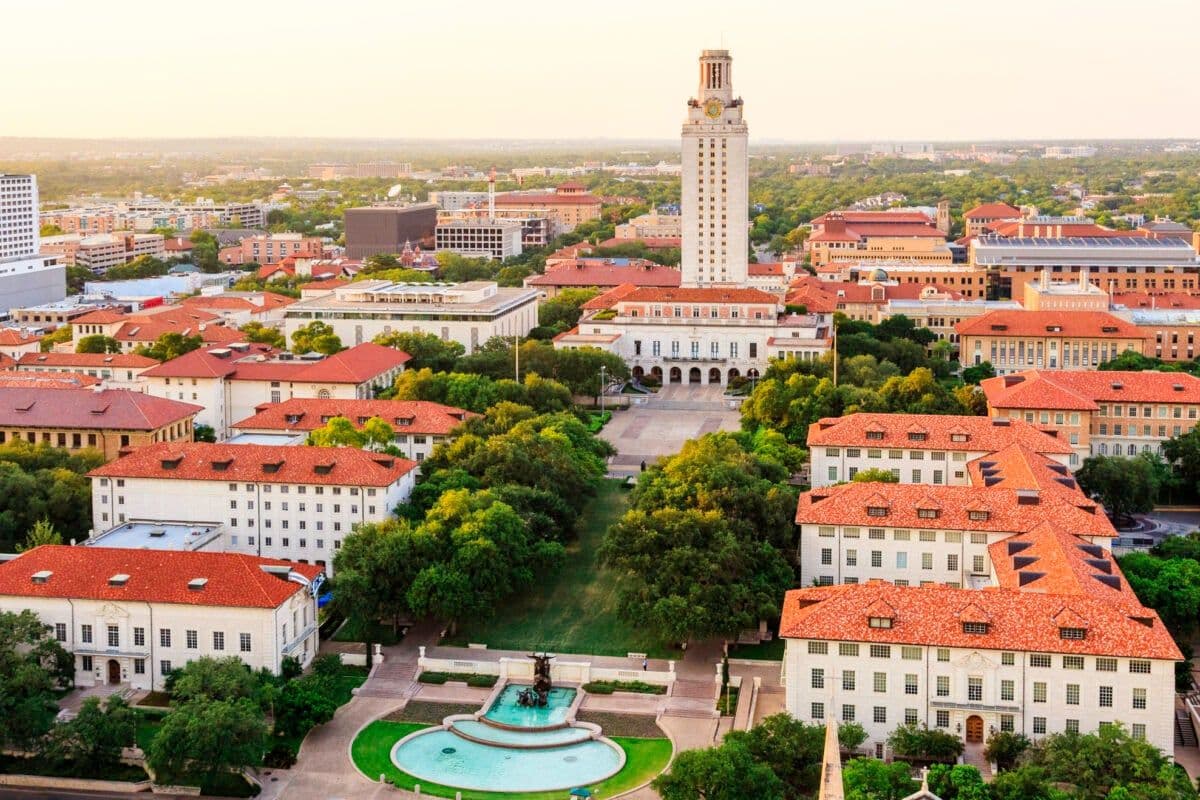
- Location: University of Texas at Austin, United States
- Field of Study: Environmental Sciences
- Language of Instruction: English
Program Structure
Year 1 – Foundations in Environmental Science
- Introduction to Environmental Science
- Ecology and Biodiversity
- Chemistry and Earth Systems
- Research Methods in Environmental Studies
Year 2 – Intermediate Environmental Studies
- Environmental Policy and Management
- Climate Science and Meteorology
- Soil and Water Science
- Laboratory and Field Techniques
Year 3 – Advanced Environmental Analysis
- Environmental Monitoring and Assessment
- Sustainability and Conservation Practices
- Geographic Information Systems (GIS)
- Research Project and Fieldwork
Year 4 – Capstone Projects and Professional Preparation
- Independent Research / Thesis
- Internship in Environmental Organizations or Industry
- Applied Environmental Management
- Professional Portfolio Development
Career Opportunities
Graduates are prepared for careers in environmental consulting, conservation, research, sustainability management, policy analysis, government agencies, and non-governmental organizations. They may work in environmental monitoring, natural resource management, ecological research, or sustainable development projects. The program equips students with analytical, research, and practical skills to assess environmental challenges, design sustainable solutions, and communicate findings effectively. By combining academic study, field experience, and applied research, graduates are prepared to contribute to the fields of environmental science, sustainability, and ecological management with expertise and professionalism.
Why Choose This Program
This program offers a comprehensive and applied approach to understanding environmental systems, integrating scientific study with practical experience in conservation, sustainability, and research. Its curriculum fosters critical thinking, analytical skills, and professional competence while students participate in fieldwork, laboratory projects, and interdisciplinary research. Guided by experienced faculty and supported by access to research facilities and environmental resources, students develop expertise in monitoring ecosystems, analyzing environmental data, and implementing sustainable solutions. Graduates leave the program with strong practical skills, research experience, and professional readiness, fully prepared for careers in environmental science, policy, conservation, and sustainability, contributing meaningfully to protecting and managing natural resources.
Contact Information
For further information, please contact the admissions office at:
Phone: +1 (512) 471-3434
Email: gradadmissions@utexas.edu
Address: 110 Inner Campus Drive, Stop G1800, Austin, TX 78712, USA
