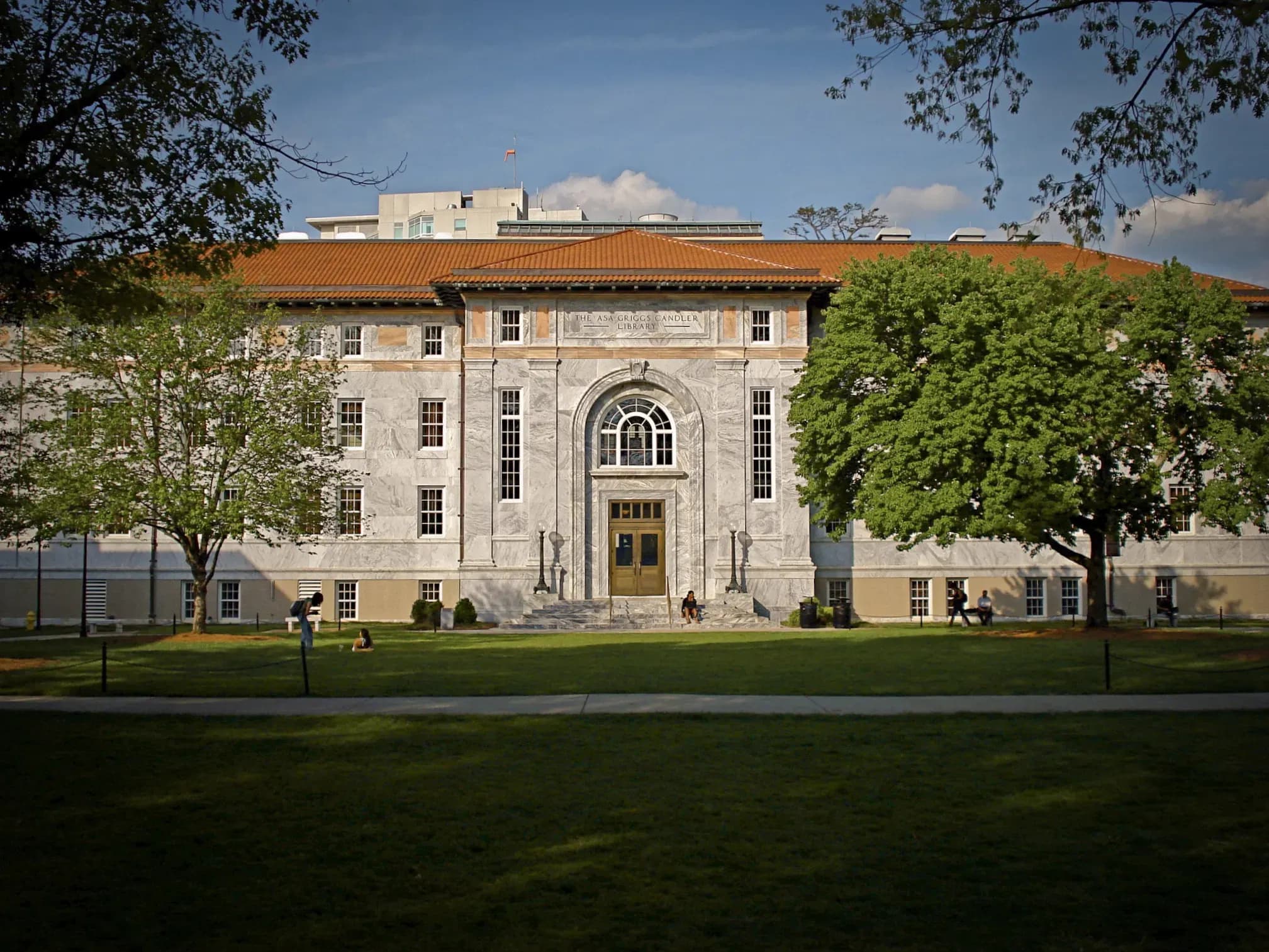

Environmental Sciences
The Bachelor of Arts in Environmental Sciences is a comprehensive five-year interdisciplinary program that equips students with the knowledge and skills to understand and address complex environmental challenges. Students explore the interactions between ecology, biology, chemistry, geology, and policy, gaining both theoretical and practical expertise in analyzing environmental systems and human impacts on the natural world. The curriculum emphasizes scientific reasoning, data analysis, and sustainable problem-solving, preparing students to study and influence ecological and societal issues from a global perspective.
Throughout the program, students engage in laboratory experiments, fieldwork, and research projects that integrate scientific principles with policy and management strategies. Topics such as climate change, biodiversity, environmental ethics, natural resource management, and conservation are studied in depth. The program fosters critical thinking, quantitative analysis, and interdisciplinary collaboration, enabling students to evaluate environmental data, develop sustainable solutions, and communicate findings effectively. Graduates gain the expertise needed to contribute to environmental research, policy development, and community initiatives.
Key Facts
Key Facts
- Program Title: Environmental Sciences
- Degree Type: Bachelor of Arts
- Duration: 5 years
- Mode of Study: Full-time, On Campus
- Application Deadline: 01 January 2026
- Location: Emory University, United States
- Field of Study: Environmental Sciences
- Language of Instruction: English
Program Structure
Year 1 – Foundations of Environmental Science
• Introduction to Environmental Science
• General Biology with Lab
• General Chemistry with Lab
• Academic Writing and Research
Year 2 – Core Scientific Principles
• Ecology and Ecosystem Dynamics
• Earth Systems and Geology
• Environmental Chemistry
• Statistics and Data Analysis
Year 3 – Applied Environmental Studies
• Environmental Policy and Management
• Conservation Biology
• Climate Science and Sustainability
• Elective: Environmental Economics / GIS
Year 4 – Advanced Integration
• Environmental Ethics
• Research Methods in Environmental Science
• Field Studies and Laboratory Research
• Elective: Renewable Energy / Environmental Law
Year 5 – Capstone and Specialization
• Senior Research Project or Thesis
• Applied Environmental Projects or Internship
• Advanced Electives: Global Environmental Challenges / Policy Implementation
• Seminar in Interdisciplinary Environmental Studies
Career Opportunities
Graduates of this program are prepared for careers in environmental consulting, conservation, research, policy analysis, sustainable development, natural resource management, and education. They may work for government agencies, nonprofit organizations, environmental advocacy groups, international organizations, or private industry. Many graduates pursue advanced studies in environmental science, ecology, sustainability, public policy, or environmental law, enabling them to take on leadership roles in research, policy, and management. Employers value graduates’ ability to integrate scientific knowledge with analytical and communication skills to address environmental challenges.
Why Choose This Program
This program is ideal for students who are passionate about understanding the natural world and applying their knowledge to solve pressing environmental issues. Emory University offers a research-driven, interdisciplinary curriculum with opportunities for fieldwork, laboratory experience, and community engagement. The program emphasizes both scientific rigor and practical application, preparing students to navigate complex ecological and societal systems. Graduates leave with analytical expertise, problem-solving skills, and interdisciplinary insight, enabling them to pursue meaningful careers, influence policy, and contribute to sustainable solutions in a rapidly changing world.
Contact Information
For further information, please contact the admissions office at:
Phone: +1 404 727 6123
Email: contentedit@emory.edu
Address: University of Emory, 201 Dowman Drive, Atlanta, GA 30322, United States
