Evolutionary Biology of the Human Species
The Evolutionary Biology of the Human Species program provides students with an in-depth understanding of human evolution, biology, behavior, and adaptation. The program emphasizes critical thinking, scientific inquiry, and interdisciplinary research, enabling students to study human development from genetic, anatomical, ecological, and cultural perspectives. Courses cover evolutionary theory, genetics, paleoanthropology, primatology, and human ecology, while also integrating laboratory work, field studies, and research projects. Students gain practical experience in data collection, analysis, and interpretation, preparing them to examine the biological and behavioral aspects of humans in a scientific and evidence-based framework.
Throughout the program, students develop strong analytical, research, and communication skills, which are essential for careers in anthropology, biological research, healthcare, conservation, and education. Exposure to interdisciplinary approaches, including biology, archaeology, genetics, and social sciences, ensures graduates can address complex questions about human evolution, adaptation, and diversity. By fostering independent inquiry, scientific reasoning, and hands-on research skills, the program equips students to contribute meaningfully to academic research, applied studies, and public understanding of human evolutionary biology.
Key Facts
Key Facts
- Program Title: Evolutionary Biology of the Human Species
- Degree Type: S. Bachelor
- Duration: 4 years
- Mode of Study: Full-time, On Campus
- Application Deadline: 01 January 2026
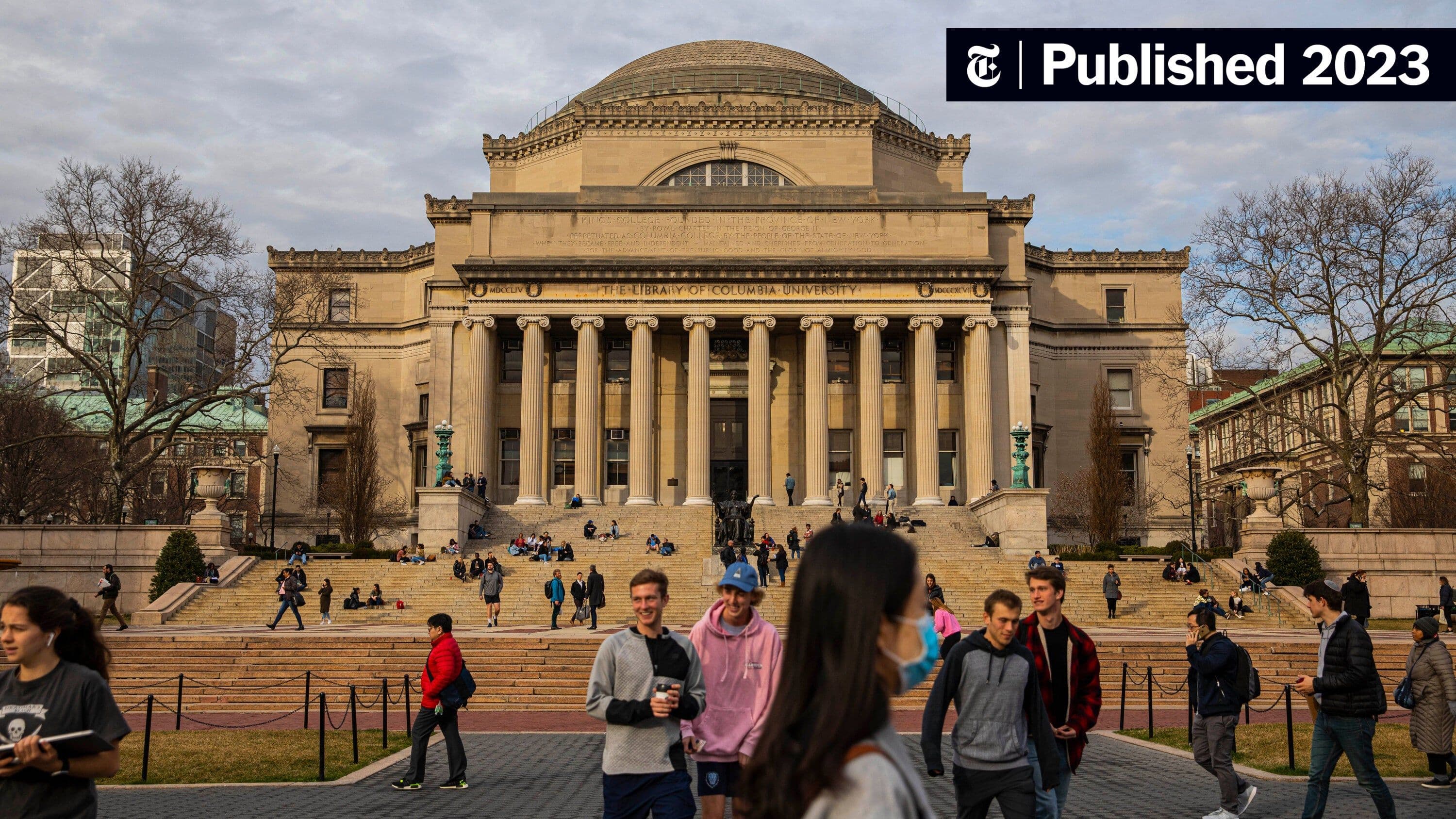
- Location: Columbia University, United States
- Field of Study: Anthropology
- Language of Instruction: English
Program Structure
Year 1 – Foundations in Evolutionary Biology
• Introduction to Human Evolution
• Principles of Genetics and Molecular Biology
• Fundamentals of Anthropology
• Academic Writing and Research Methods
Year 2 – Intermediate Studies and Laboratory Work
• Evolutionary Theory and Population Genetics
• Comparative Primate Biology
• Human Ecology and Environmental Adaptation
• Elective Modules in Archaeology, Genetics, or Behavior
Year 3 – Advanced Research and Field Studies
• Paleoanthropology and Fossil Analysis
• Advanced Laboratory Techniques in Human Biology
• Field Research Methods in Human Evolution
• Seminar: Evolutionary Case Studies
Year 4 – Independent Research and Thesis
• Independent Research Project
• Advanced Topics in Human Evolution
• Data Analysis and Interpretation
• Thesis Preparation and Presentation
Career Opportunities
Graduates of this program are prepared for careers in academic research, biological anthropology, conservation, healthcare, science communication, and education. They can work in universities, research institutions, museums, laboratories, NGOs, and government agencies. The program equips students with strong analytical, laboratory, and research skills, enabling them to pursue roles in genetic research, paleoanthropology, primate studies, ecological consulting, and applied anthropology. Alumni may also engage in postgraduate studies, interdisciplinary projects, or leadership positions in scientific organizations, providing versatile and competitive career pathways while contributing to the understanding of human evolution and biology.
Why Choose This Program
This program provides a unique combination of biological expertise, anthropological insight, and research methodology, allowing students to explore human evolution in depth. Small classes and close faculty mentorship provide personalized guidance, fostering analytical thinking, independent research, and practical skill development. The curriculum emphasizes scientific rigor, interdisciplinary learning, and applied research, preparing graduates to address complex questions in human biology, behavior, and evolution. By engaging with laboratory experiments, fieldwork, and research projects, students gain the knowledge, tools, and experience necessary for impactful careers in research, education, healthcare, conservation, and further academic study.
Contact Information
For further information, please contact the admissions office at:
Phone: +1 212 854 1754
Email: admissions@columbia.edu
Address: University of Columbia, Admissions Office, New York, NY, United States
