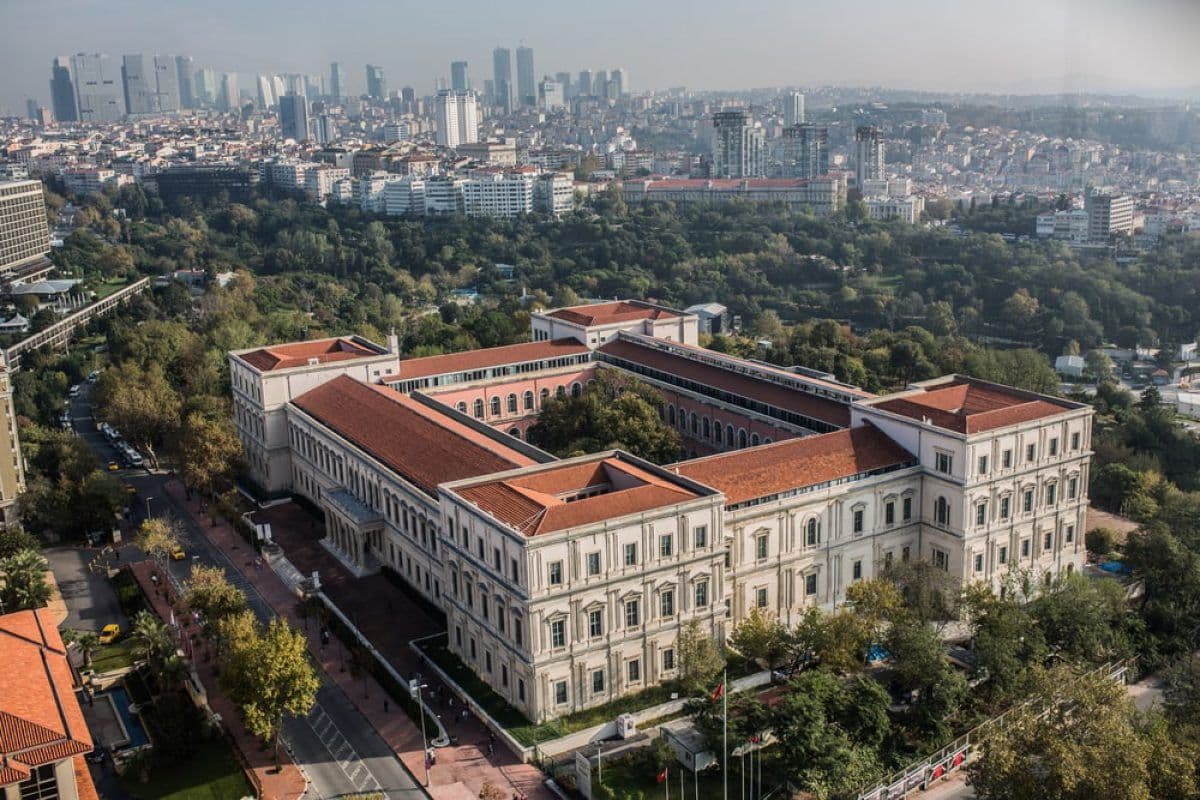

Food Engineering
The Bachelor of Science in Food Engineering (English) at İstanbul Technical University is a program that trains students to understand food science, food production and safety — from raw materials to final products. In this program, you learn chemistry, biology, microbiology, food chemistry, food processing, food safety, quality control and engineering basics. Students also study processing technologies, food preservation, nutrition, packaging, and hygiene standards. The curriculum mixes theory and practice: you work in labs, analyse food samples, run experiments, and learn modern food production techniques. This gives you both scientific knowledge and practical skills to work in food industry or research.
With English instruction and a strong engineering tradition at ITU, the program gives access to up-to-date laboratories, experienced instructors, and a modern curriculum. You also learn about global food standards, safety regulations, and international quality practices — useful if you want to work abroad or for multinational companies. The program aims to prepare graduates who can ensure public health, design safe food processes, develop new food products and contribute to food technology innovation. If you care about food quality, safety, nutrition, and want to work in food production or research — this program gives you a solid foundation and broad career possibilities.
Key Facts
Key Facts
- Degree: Bachelor of Science (B.Sc.)
- Standard period of study: 8 semesters
- Location: Istanbul (ITU main campus)
- Study Type: Undergraduate (full-time, English track)
- Admission semester: Fall semester
- Area of study: Food Engineering, Food Technology, Food Safety & Quality, Food Production & Processing
- Admission modus: Without admission restriction
- Main language: English
Program Structure
Semester 1 – Foundations: Basic Sciences & Intro to Food Engineering
- Mathematics I
- General Chemistry I
- Biology or Microbiology Basics
- Introduction to Food Engineering & Food Science Principles
Semester 2 – Core Sciences & Food Chemistry
- Mathematics II / Calculus II
- General Chemistry II / Organic Chemistry Basics
- Food Chemistry I
- Physics I / Basic Physics for Engineers
Semester 3 – Food Microbiology, Food Analysis & Processing Basics
- Food Microbiology / Microbial Food Safety
- Food Analysis & Laboratory Techniques
- Thermodynamics / Heat and Mass Transfer Basics
- Materials & Food Packaging Basics
Semester 4 – Food Technology & Process Engineering
- Unit Operations in Food Processing
- Food Engineering Thermodynamics / Transfer Processes
- Food Processing Technology I (Thermal / Preservation Methods)
- Elective / Supporting Course
Semester 5 – Advanced Food Processing & Quality Control
- Food Processing Technology II (Mechanical, Contemporary Methods)
- Food Safety & Hygiene Standards
- Quality Control & Food Quality Assurance
- Elective Course (e.g. Nutrition, Food Additives, Food Legislation)
Semester 6 – Food Engineering Systems & Product Development
- Food Plant Design & Operation Basics
- Food Product Development & Innovation
- Food Packaging & Storage Technology
- Elective Course (e.g. Functional Foods, Bioprocesses)
Semester 7 – Industrial Practice & Applied Food Projects
- Food Engineering Project I (Team / Lab Work)
- Food Industry Internship or Practice
- Elective Course (specialization)
- Food Safety, Regulation & International Standards Workshop
Semester 8 – Graduation Project & Professional Preparation
- Food Engineering Project II (Final Thesis or Applied Study)
- Food Quality Management & Regulatory Compliance
- Elective Course (Advanced Topic or Specialization)
Career Opportunities
Graduates can work as food engineer, quality control specialist, food safety officer, production manager in food industry, R&D specialist in food technology, packaging and process engineer, food regulation and compliance expert, or consultant in food companies. They may join food production factories, food safety institutions, research laboratories, nutrition companies, regulatory agencies, packaging firms, or start their own food-related business. Because food is a fundamental need and there are global standards, graduates may also work internationally with multinational food companies or export firms.
Why Choose This Program
Choosing Food Engineering at ITU means studying a program that combines science, engineering and public health — you learn how food is produced, processed and kept safe for consumers. You gain knowledge in chemistry, microbiology, engineering and quality assurance, which helps you understand complex processes in food production. The program also includes practical lab work, projects and training — giving you real-world skills for food industry jobs. English instruction and ITU’s strong engineering background help you aim for both national and international careers.
Because food is essential everywhere and food industry is always active, this program offers stable and versatile career paths. You can work in manufacturing, research, regulation, quality control or even start your own company. If you care about health, safety, nutrition and want a career that mixes science, engineering and service to society — this program gives you a meaningful and solid foundation.
Contact Information
İstanbul Technical University – Department of Food Engineering
Maçka / ITU Main Campus, Istanbul, Turkey
Tel: +90 212 (department contact number)
Email: food-engineering@itu.edu.tr
Faculty / Student Affairs Office – Food Engineering
İstanbul, Turkey
Tel: +90 212 (student affairs contact)
Email: studentaffairs@food.itu.edu.tr
International Office – İstanbul Technical University
Ayazağa / Maslak Campus, Istanbul, Turkey
Tel: +90 212 285 71 13
Email: international@itu.edu.tr
