Master of Arts · Full-time · On Campus

Julius Maximilian University of Würzburg
Würzburg, Germany
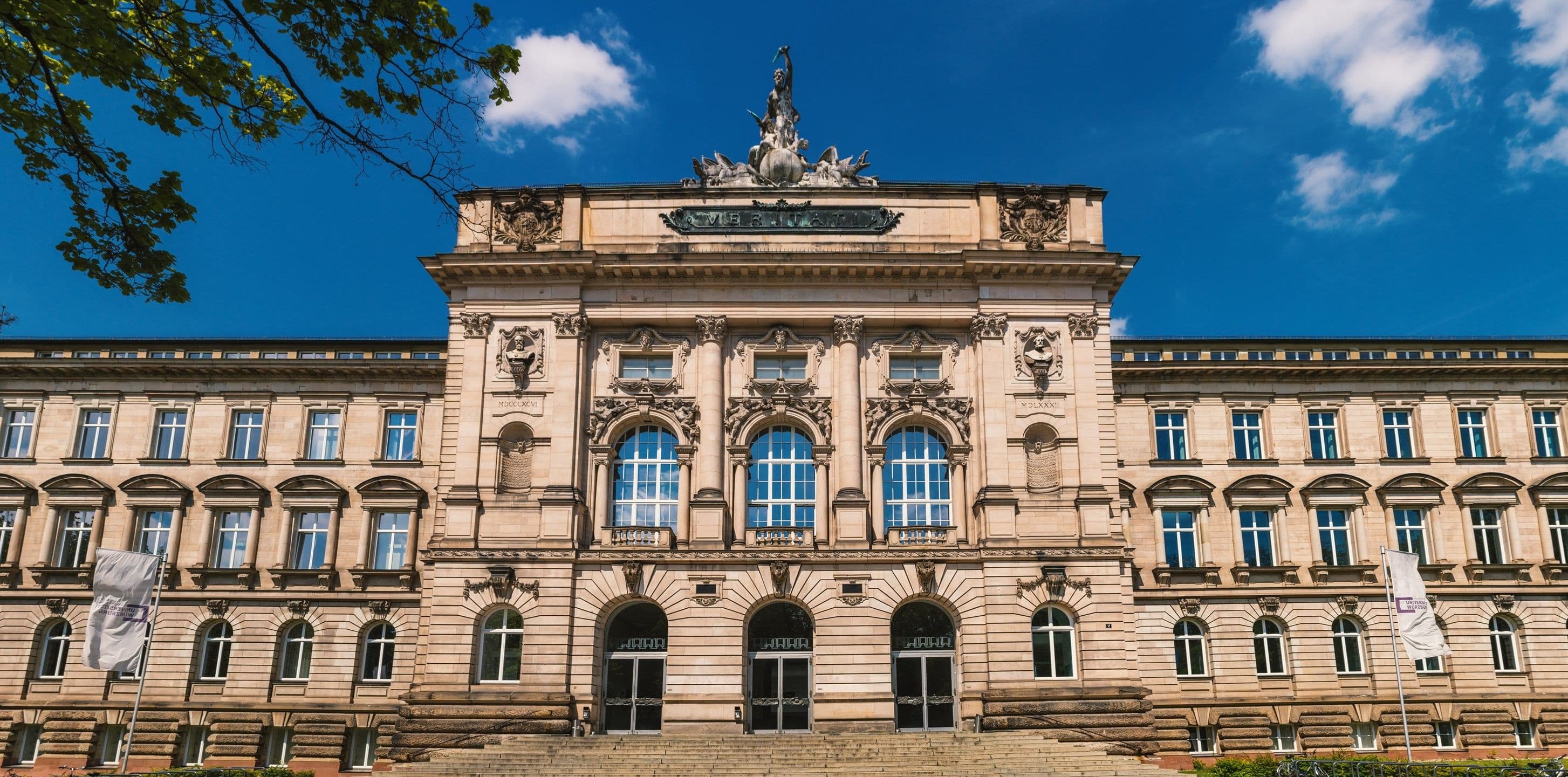
The Master of Science in Geographic Science Approaches to Environmental Challenges (GEOSPHERES) is a prestigious graduate program offered by the University of Würzburg. Designed for students passionate about understanding and addressing the pressing environmental issues of our time, this international degree combines advanced geographic science with interdisciplinary environmental research. Students gain expertise in spatial analysis, geoinformatics, and Earth system science, preparing them for research and professional roles in sustainability, environmental management, and climate analysis. The program is structured across four semesters and admits students exclusively in the winter semester.
Located in Würzburg, one of Germany’s leading academic hubs for geography and environmental studies, this master’s program emphasizes both scientific rigor and practical application. With a strong focus on global environmental change, natural resource management, and spatial modeling, students not only develop technical and analytical competencies but also engage in collaborative research addressing real-world environmental challenges. The course reflects Germany’s commitment to sustainability, innovation, and academic excellence, making it an ideal choice for those seeking to advance their expertise in environmental geography.
Semester 1 – Foundations of Environmental Geography
Semester 2 – Applied Environmental Science
Semester 3 – Specialization and Field Applications
Semester 4 – Master’s Thesis
Graduates of this program are well prepared for research and professional roles in environmental consulting, climate policy, geographic information systems, and sustainable development. Career paths include environmental scientist, GIS analyst, sustainability consultant, or researcher in governmental and non-governmental organizations. The program’s integration of spatial science, environmental analysis, and data-based decision-making equips graduates with the skills to address global environmental problems, manage natural resources, and contribute to international sustainability initiatives.
Choosing the Master of Science in Geographic Science Approaches to Environmental Challenges (GEOSPHERES) means joining a program that merges scientific depth with real-world environmental engagement. Offered by the University of Würzburg, it provides students with access to leading research facilities, experienced faculty, and strong ties to international environmental networks.
The program’s unique strength lies in its interdisciplinary approach, combining geographic science, environmental research, and technological innovation. Students not only gain analytical and technical expertise but also develop the critical thinking and collaborative skills necessary to tackle the environmental challenges of the 21st century.
University of Würzburg – Student Advisory Service
Zentrale Studienberatung
Josef-Martin-Weg 55
97074 Würzburg, Germany
Tel: +49 931 31-83183
Fax: +49 931 31-87317
Email: studienberatung@uni-wuerzburg.de
International Office – Service Centre InterNational Transfer
Josef-Martin-Weg 55
97074 Würzburg, Germany
Tel: +49 931 31-82805
Email: sint@uni-wuerzburg.de
Master of Arts · Full-time · On Campus
Julius Maximilian University of Würzburg
Würzburg, Germany
Master of Laws · Full-time · On Campus
Julius Maximilian University of Würzburg
Würzburg, Germany
Master of Science · Full-time · On Campus
Julius Maximilian University of Würzburg
Würzburg, Germany
