
Geography
The Master of Arts in Geography is a two-year, full-time program designed to provide students with advanced knowledge of physical, human, and environmental geography. The curriculum integrates spatial analysis, geographic information systems (GIS), remote sensing, and field research methodologies to understand the interactions between humans and their environments. Students study topics such as urban and regional development, environmental management, climate change, and cultural landscapes, gaining a comprehensive understanding of the factors that shape the earth’s physical and social spaces. The program emphasizes research skills, critical analysis, and practical application to address complex geographic and environmental challenges.
Students engage in fieldwork, laboratory exercises, and applied research projects that develop both technical and analytical expertise. Faculty members with diverse specializations guide students through independent research, data interpretation, and policy analysis. The program encourages interdisciplinary collaboration, connecting geographic insights with urban planning, environmental policy, and social sciences. Graduates emerge with the ability to analyze spatial patterns, assess environmental impacts, and propose solutions that support sustainable development, making them prepared for professional and academic careers in geography-related fields.
Key Facts
Key Facts
- Program Title: Geography
- Degree Type: Master of Arts
- Duration: 2 years
- Mode of Study: Full-time, On Campus
- Application Deadline: 01 August 2026
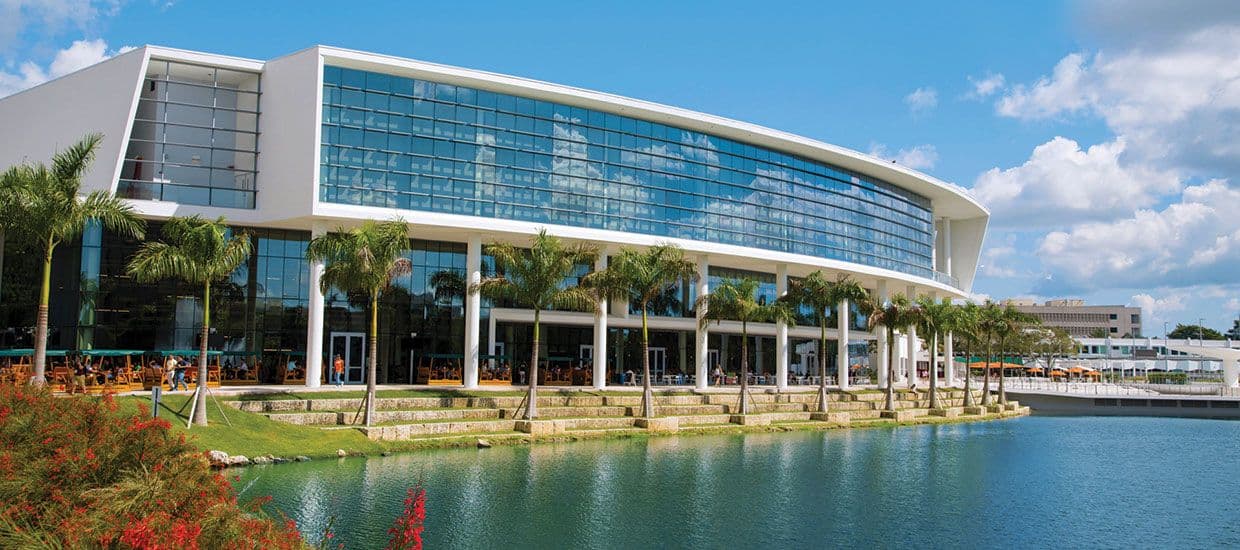
- Location: University of Miami, United States
- Field of Study: Geography
- Language of Instruction: English
Program Structure
Semester 1 – Foundations of Geographic Analysis
• Physical Geography and Environmental Systems
• Human Geography and Urban Studies
• Geographic Information Systems (GIS)
• Research Methods in Geography
Semester 2 – Spatial Analysis and Environmental Applications
• Remote Sensing and Cartography
• Environmental Policy and Management
• Urban and Regional Planning
• Data Analysis and Interpretation
Semester 3 – Specialized Research and Fieldwork
• Field Methods in Geography
• Climate Change and Sustainability
• Elective (e.g., Cultural Geography, Geospatial Analytics)
• Research Project
Semester 4 – Capstone and Thesis
• Master’s Thesis Research and Writing
• Presentation and Defense
• Advanced Seminar in Geographic Studies
• Professional Development in Geography
Career Opportunities
Graduates of this program are prepared for careers in environmental consulting, urban and regional planning, GIS and geospatial analysis, government agencies, non-profit organizations, and research institutions. Roles may include environmental analyst, urban planner, GIS specialist, policy advisor, or academic researcher. The program equips graduates to conduct spatial analysis, assess environmental and societal trends, and provide data-driven insights to support planning, policy, and sustainability initiatives. Alumni may also pursue doctoral studies or positions in interdisciplinary fields that leverage geographic expertise to address global challenges.
Why Choose This Program
This program provides a rigorous, interdisciplinary approach to the study of physical and human geography, combining technical skill development with applied research and fieldwork. Students gain expertise in spatial analysis, GIS, and environmental assessment, while also exploring cultural and societal dimensions of geography. The program emphasizes practical experience, faculty mentorship, and professional skill development, ensuring graduates are prepared to address complex environmental and urban challenges. For those passionate about understanding and influencing the interactions between people and their environments, this program offers the knowledge, analytical tools, and research experience needed to succeed in academic, policy, and professional contexts.
Contact Information
For further information, please contact the admissions office at:
Phone: +1 305 284 2000
Email: admissions@miami.edu
Address: University of Miami, 1320 S Dixie Hwy, Coral Gables, FL 33146, United States
