.png&w=640&q=75)
Geography
The Geography Master of Arts program at Texas University is a two-year, full-time graduate degree that offers students an advanced understanding of spatial systems, human-environment interaction, and geographic research methods. The curriculum is designed to explore both physical and human geography, incorporating topics such as climate change, urbanization, resource distribution, and socio-political geographies. Students learn to analyze spatial patterns and regional processes using both qualitative and quantitative techniques, developing a nuanced understanding of how geography shapes and is shaped by global and local forces.
Students benefit from interdisciplinary coursework that includes geographic information systems (GIS), remote sensing, environmental geography, and urban and regional planning. Field research opportunities and lab-based projects support experiential learning, while faculty mentorship guides students through critical debates in geography and prepares them for rigorous thesis work. Whether investigating climate policy, urban development, or cultural landscapes, students develop the tools to critically engage with pressing global challenges through a geographic lens. Graduates leave with the ability to apply spatial thinking to a wide range of academic, public policy, and professional domains.
Key Facts
Key Facts
- Program Title: Geography
- Degree Type: Master of Arts
- Duration: 2 years
- Mode of Study: Full-time, On Campus
- Application Deadline: 15 December 2025
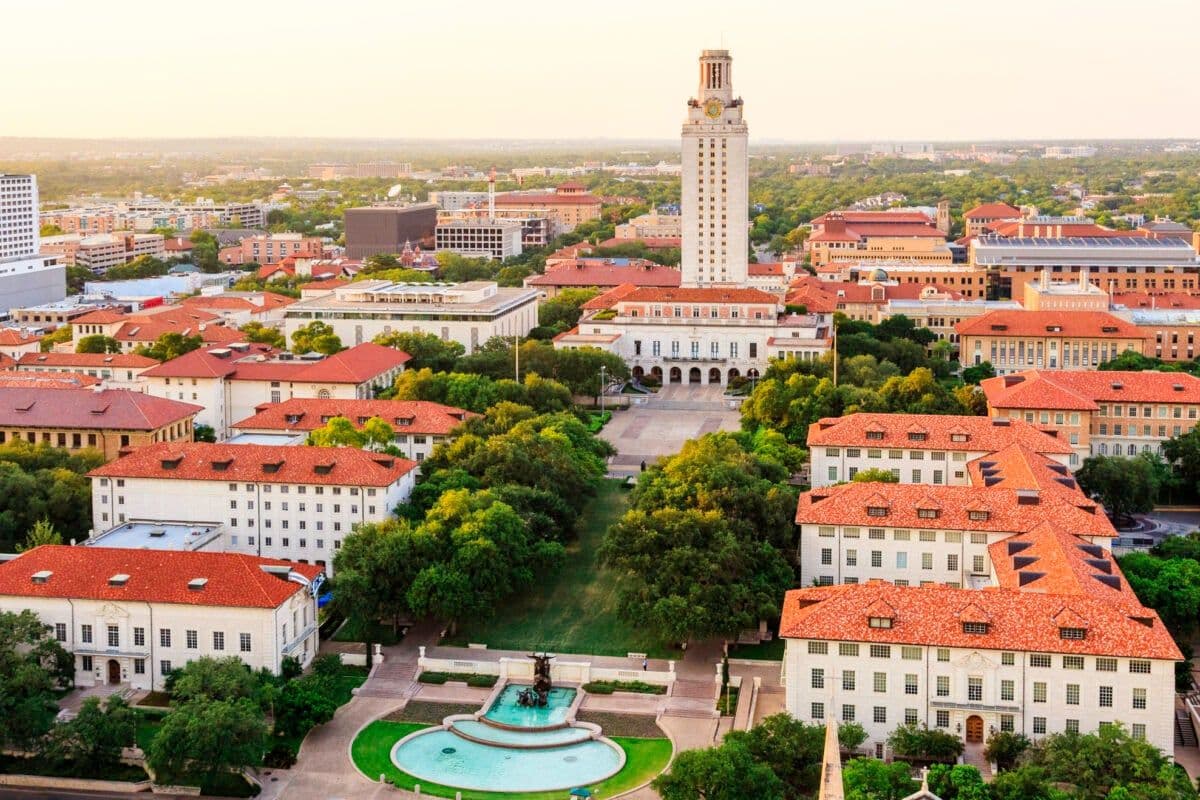
- Location: University of Texas at Austin, United States
- Field of Study: Geography
- Language of Instruction: English
Program Structure
Semester 1 – Geographic Foundations and Methods
- Theories in Human and Physical Geography
- Research Methods in Geography
- Geographic Information Systems (GIS)
- Spatial Data Analysis
Semester 2 – Spatial Systems and Human-Environment Interactions
- Environmental Geography and Climate Change
- Urban and Regional Geography
- Remote Sensing and Image Analysis
- Seminar in Contemporary Geographic Issues
Semester 3 – Advanced Applications and Regional Focus
- Cultural and Political Geography
- Geospatial Technologies in Planning
- Environmental Justice and Policy
- Independent Research Proposal Development
Semester 4 – Thesis and Professional Development
- Master’s Thesis Research
- Spatial Modeling and Scenario Planning
- Presentation Skills for Geographers
- Final Thesis Submission and Defense
Career Opportunities
Graduates of this program pursue careers in urban planning departments, environmental consultancies, governmental research institutions, and nonprofit organizations. They often work as GIS analysts, spatial data scientists, environmental planners, or geographic researchers. The analytical, technical, and theoretical skills developed during the program enable graduates to interpret complex spatial patterns, contribute to policy-making, and manage sustainable development projects. With global demand increasing for professionals who understand both data and geography, graduates find impactful roles addressing climate resilience, transportation planning, land use policy, and spatial justice.
Why Choose This Program
This program delivers a balanced and research-intensive academic journey, rooted in both global perspective and local relevance. Students receive expert training in advanced geospatial tools while exploring the societal and environmental dimensions of geographic change. With access to field sites, modern GIS labs, and mentorship from faculty actively engaged in cutting-edge geographic research, students are prepared to lead projects that require spatial insight and critical analysis. For those committed to solving real-world problems, understanding place-based dynamics, and bridging science with policy, this program offers a versatile and future-oriented education in the science of geography.
Contact Information
For further information, please contact the admissions office at:
Phone: +1 (512) 471-3434
Email: gradadmissions@utexas.edu
Address: 110 Inner Campus Drive, Stop G1800, Austin, TX 78712, USA
